Salted Caramel Cashew Oatmeal Cookies
There is something especially comforting about a warm oatmeal cookie with crisp edges, a soft center, and a little something unexpected in every bite. These Salted Caramel Cashew Oatmeal Cookies bring together hearty rolled oats, buttery cashews, sweet caramel, and a light touch of salt for a cookie that feels both cozy and special.
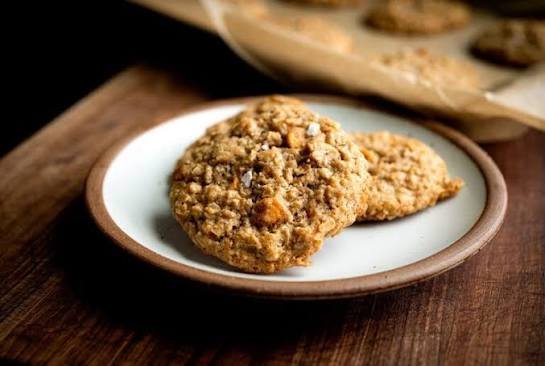
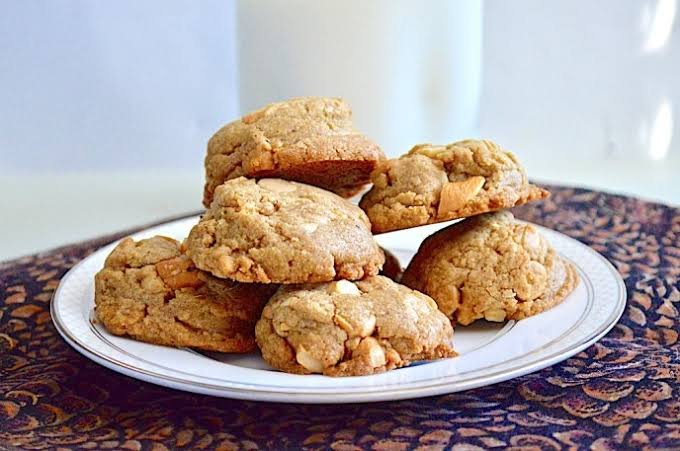
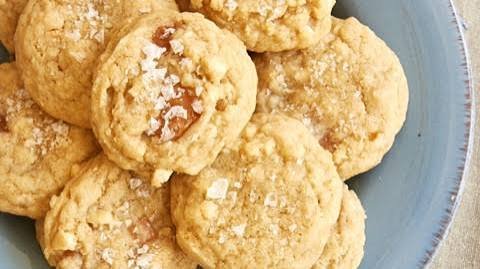
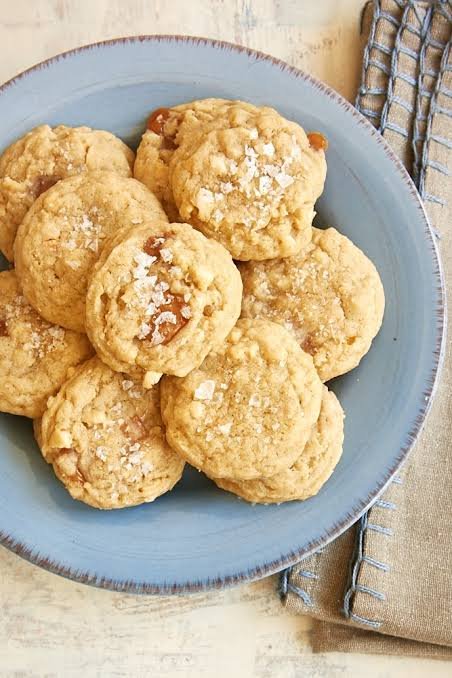
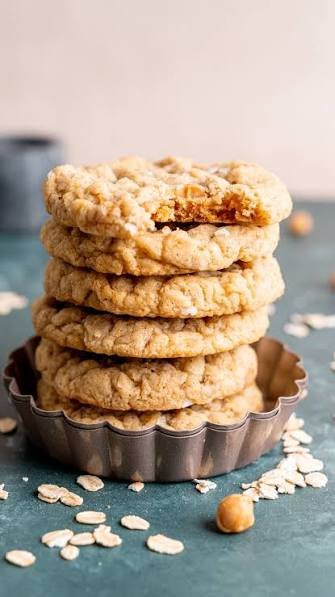
The texture is what makes these cookies stand out. The oats give them a pleasantly chewy bite, while chopped cashews add a delicate crunch. Sweet caramel pieces soften as they bake, creating little pockets of rich flavor throughout the cookies. A sprinkle of salt balances the sweetness and makes the buttery, nutty notes even more noticeable.
Best of all, this oatmeal cookie recipe is simple enough for a relaxed weekend bake. You do not need complicated ingredients or advanced baking skills. With a few pantry staples and some caramel and cashews, you can have a batch of golden, bakery-style cookies ready to share with family and friends.
Whether you serve them slightly warm with a cup of coffee or keep a few tucked away for an afternoon treat, these homemade oatmeal cookies are the kind of dessert that disappears quickly. The combination of chewy oats, crunchy cashews, buttery caramel, and flaky salt gives a classic cookie a deliciously modern twist.
Why You’ll Love This Recipe
- Chewy and crisp: The oatmeal cookie base stays soft and chewy in the middle while the edges bake up lightly golden and crisp.
- A delicious sweet and salty balance: Rich caramel adds plenty of sweetness, while a little salt keeps the cookies from tasting overly sugary.
- Crunchy cashews in every bite: Chopped cashews bring buttery richness and a satisfying texture that pairs beautifully with the oats.
- Simple ingredients: Most of what you need is likely already in your pantry, making this an easy recipe to prepare without a special grocery trip.
- Beginner-friendly: The dough comes together with straightforward mixing and simple baking steps, so even newer bakers can make a great batch.
- Perfect for sharing: These cookies work beautifully for holiday cookie trays, bake sales, afternoon snacks, lunchboxes, or casual gatherings.
- Easy to customize: You can adjust the amount of caramel, swap the nuts, or add a little extra sea salt to create your favorite version.
- Freezer-friendly: The baked cookies and unbaked dough can both be stored for later, making it easy to have homemade cookies ready whenever a craving hits.
Ingredients
Here is everything you need to make these chewy, buttery oatmeal cookies. For the best texture, measure the flour and oats carefully and let the butter soften before mixing.
- 1 cup unsalted butter, softened
- 1 cup packed light brown sugar
- 1/2 cup granulated sugar
- 2 large eggs, room temperature
- 2 teaspoons pure vanilla extract
- 1 3/4 cups all-purpose flour
- 1 teaspoon baking soda
- 1/2 teaspoon baking powder
- 1/2 teaspoon fine sea salt
- 2 1/2 cups old-fashioned rolled oats
- 1 cup roasted cashews, roughly chopped
- 1 cup soft caramel bits or chopped soft caramel candies
- 1/2 teaspoon flaky sea salt, plus more for topping if desired
A Few Ingredient Tips
Use old-fashioned rolled oats rather than quick oats for the best chewy texture. Soft caramel pieces work especially well because they melt into the cookie without becoming too hard after cooling. Roasted cashews add extra nuttiness, but unsalted cashews are preferable so you can control the overall salt level.
Ingredient Notes & Substitutions
A few simple ingredient choices can make a noticeable difference in the texture and flavor of these salted caramel cashew oatmeal cookies. Here are some helpful swaps if you need to work with what you already have.
Butter
Unsalted butter gives you better control over the salt in the recipe. If you only have salted butter, you can use it and reduce the added fine sea salt slightly.
For the best results, let the butter soften naturally at room temperature. Soft butter should be easy to press with a finger but should not look melted or greasy.
Brown Sugar
Light brown sugar gives the cookies a soft texture and a gentle molasses flavor that pairs beautifully with caramel. Dark brown sugar can also be used if you prefer a deeper, richer taste.
Granulated Sugar
The granulated sugar helps the cookies develop lightly crisp edges. For a softer cookie, you can replace a small portion with additional brown sugar.
Eggs
Use large eggs at room temperature when possible. They blend more smoothly into the creamed butter and sugar, helping create an even cookie dough.
All-Purpose Flour
All-purpose flour is the easiest choice for this recipe. For a gluten-free version, use a good-quality one-to-one gluten-free baking flour that contains xanthan gum.
Avoid adding extra flour unless the dough is genuinely too loose. Too much flour can make oatmeal cookies dry and cakey.
Old-Fashioned Rolled Oats
Old-fashioned rolled oats are ideal because they provide a hearty, chewy texture. Quick oats can be used in a pinch, but the finished cookies will be softer and less textured.
Avoid using steel-cut oats, which need a different cooking method and will remain too firm in this cookie dough.
Cashews
Roasted cashews add a rich, buttery crunch. Unsalted cashews are best because they allow you to control the salt.
You can substitute chopped pecans, walnuts, or almonds if needed. Each nut will give the cookies a slightly different flavor and texture.
Caramel
Soft caramel bits are convenient and distribute easily through the dough. If caramel bits are unavailable, finely chopped soft caramel candies work well.
For an extra caramel-forward cookie, add a small drizzle of melted caramel over the cooled cookies.
Sea Salt
Fine sea salt seasons the dough, while flaky sea salt is ideal for finishing. The contrast between sweet caramel and small salty crystals gives these cookies their signature sweet and salty character.
If you do not have flaky sea salt, simply use a very light sprinkle of regular sea salt.
Dairy-Free Option
For dairy-free cookies, use a plant-based butter substitute that is designed for baking and dairy-free caramel pieces. Check the labels carefully, as some caramel products contain milk ingredients.
Nut-Free Option
Because cashews are a key part of the recipe, leaving them out will change the character of the cookies. If you need a nut-free version, replace them with roasted sunflower seeds or pumpkin seeds for a pleasant crunch.
Always check the labels of your caramel and other packaged ingredients if you are baking for someone with a food allergy.
Kitchen Tools Needed
You do not need any fancy equipment to make these salted caramel cashew oatmeal cookies. A few basic baking tools are all you need to get the job done.
- Large mixing bowl: Gives you enough room to combine the cookie dough without spilling oats or flour over the sides.
- Electric hand mixer or stand mixer: Makes creaming the butter and sugars quick and easy. You can also mix by hand with a sturdy wooden spoon, though it will take a little more effort.
- Measuring cups and spoons: Accurate measurements help keep the cookie texture consistent.
- Rubber spatula: Useful for scraping the sides of the bowl and gently folding in the oats, cashews, and caramel.
- Cookie scoop: Helps create evenly sized cookies so they bake at the same rate.
- Baking sheets: Use sturdy, flat baking sheets for even heat distribution.
- Parchment paper or silicone baking mats: Helps prevent sticking and makes cleanup easier.
- Wire cooling rack: Allows air to circulate around the cookies as they cool, helping the bottoms stay from becoming overly soft.
- Sharp knife and cutting board: Helpful if you are using whole cashews or soft caramel candies that need chopping.
Optional but Helpful
A kitchen scale can make measuring flour and other ingredients more precise. An oven thermometer is also useful because many home ovens run slightly hotter or cooler than the temperature displayed on the dial.
Step-by-Step Instructions
Follow these simple steps for chewy, golden oatmeal cookies with crisp edges, buttery cashews, soft caramel, and a delicate salty finish.
1. Prepare the Oven and Baking Sheets
Preheat your oven to 350°F (175°C). Line two baking sheets with parchment paper or silicone baking mats.
Give the oven plenty of time to fully preheat. Starting with the correct oven temperature helps the cookies spread properly and develop lightly golden edges.
2. Cream the Butter and Sugars
Add the softened butter, brown sugar, and granulated sugar to a large mixing bowl.
Using an electric mixer, beat for about 2 to 3 minutes, until the mixture looks creamy and lighter in texture.
Do not use melted butter here. Melted butter can cause the cookies to spread too quickly and become thin.
3. Add the Eggs and Vanilla
Beat in the eggs one at a time, mixing well after each addition. Add the vanilla extract and mix until everything is evenly combined.
Scrape down the sides of the bowl with a rubber spatula so no butter or sugar mixture is left unmixed.
4. Combine the Dry Ingredients
In a separate bowl, whisk together the all-purpose flour, baking soda, baking powder, and fine sea salt.
This quick step helps distribute the leavening agents and salt evenly throughout the flour.
5. Add the Dry Ingredients to the Wet Mixture
Gradually add the dry ingredients to the butter mixture.
Mix on low speed just until the flour is mostly incorporated. Avoid overmixing, since too much mixing can develop the gluten and leave you with tougher cookies.
6. Stir in the Oats
Add the old-fashioned rolled oats and gently fold them into the dough using a rubber spatula or wooden spoon.
The dough should be thick and hearty at this point. The oats should be evenly distributed without any large pockets of dry ingredients.
7. Fold in the Cashews and Caramel
Add the chopped cashews and caramel pieces.
Gently fold everything together until the additions are spread throughout the dough. Try not to overwork the mixture.
If some caramel pieces are particularly large, chop them into smaller pieces so they distribute more evenly and do not create overly large melted pockets.
8. Scoop the Cookie Dough
Use a cookie scoop or tablespoon to portion the dough onto the prepared baking sheets.
Leave about 2 inches of space between each portion because the cookies will spread as they bake.
For evenly baked cookies, keep the dough portions as close in size as possible.
9. Add a Little Flaky Salt
If desired, sprinkle a small amount of flaky sea salt over each portion of cookie dough.
A light touch is enough. The caramel is already sweet, so the salt should complement it rather than dominate the flavor.
10. Bake the Cookies
Place the baking sheet in the preheated oven and bake for approximately 10 to 12 minutes, or until the edges are lightly golden and the centers still look slightly soft.
Do not wait for the centers to become completely firm in the oven. Oatmeal cookies continue cooking from residual heat after they come out of the oven.
If your oven has hot spots, rotate the baking sheet carefully about halfway through baking.
11. Let Them Rest on the Baking Sheet
Remove the cookies from the oven and allow them to rest on the baking sheet for about 5 minutes.
They may look a little soft in the center when first removed. That is exactly what you want for a chewy texture.
Moving them immediately can cause them to break while the melted caramel and warm cookie centers are still setting.
12. Transfer to a Cooling Rack
After the cookies have firmed slightly, carefully transfer them to a wire cooling rack.
Let them cool for another several minutes before serving. The caramel will become less molten as the cookies cool, while the centers settle into a soft, chewy texture.
Common Mistakes to Avoid
Using melted butter: This can make the cookies spread too much and become thin.
Overmixing the dough: Once the flour disappears, stop mixing. Excess mixing can make the cookies less tender.
Packing too many cookies onto one baking sheet: Give each cookie enough room to spread. Crowded cookies can bake unevenly.
Overbaking: The centers should still look slightly soft when the cookies come out of the oven. Baking until completely firm can result in dry cookies once they cool.
Using too much flour: Measuring flour by scooping directly from the bag can compact it and add too much to the dough. For the most reliable results, lightly spoon flour into a measuring cup and level the top.
Adding too much finishing salt: Caramel and cashews already bring plenty of flavor. A small sprinkle of flaky salt is enough to create the sweet and salty contrast.
Expert Tips for the Best Cookies
A few small baking details can make a big difference when you want oatmeal cookies with crisp edges, chewy centers, and perfectly balanced caramel and cashew flavor.
Use Soft, Not Melted, Butter
The butter should be soft enough to cream smoothly with the sugars but should still hold its shape. If it is melted, the dough can become too loose and the cookies may spread excessively.
Do Not Overmix Once the Flour Goes In
Mix the dry ingredients into the wet mixture only until they are combined. Overworking the dough can lead to cookies that are tougher instead of tender and chewy.
Chill the Dough if It Feels Too Soft
If your kitchen is warm or the butter became too soft, refrigerate the finished dough for about 20 to 30 minutes before baking. Chilled dough usually spreads more slowly and can produce thicker cookies.
Toast the Cashews for More Flavor
For an extra nutty flavor, lightly toast the cashews before chopping them. Spread them on a baking sheet and toast at 350°F (175°C) for several minutes until fragrant.
Let them cool completely before adding them to the dough.
Keep the Caramel Pieces Small
Smaller caramel pieces distribute more evenly through the cookie dough. They also create more frequent pockets of caramel without making the cookies difficult to handle.
If using caramel candies, chill them briefly before chopping. Slightly firm caramel is much easier to cut cleanly.
Watch the Cookies Closely Near the End
Ovens vary, so start checking the cookies around the 10-minute mark. Look for lightly golden edges and centers that still appear a little soft.
That visual cue is more useful than waiting for the entire cookie to look completely baked.
Give the Cookies Time to Set
Freshly baked oatmeal cookies are delicate. Leave them on the baking sheet for several minutes before transferring them to a cooling rack.
This short resting period helps the centers finish setting while keeping them soft.
Bake a Test Cookie
If you are unsure how much your dough will spread, bake one cookie first. If it spreads too much, chill the remaining dough. If it barely spreads, gently flatten the next portions before baking.
This is an easy way to adjust the batch before committing the entire tray to the oven.
Finish With Flaky Salt
A small pinch of flaky sea salt added just before or immediately after baking brings out the caramel and cashew flavors. Use it sparingly so the cookies remain balanced.
Let the Cookies Cool Before Stacking
Caramel stays soft while warm. Allow the cookies to cool completely before stacking or storing them so they do not stick together.
Variations
This cookie recipe is easy to customize while keeping the chewy oatmeal base that makes it so comforting. Try one of these variations when you want to change up the flavor or adapt the recipe to your needs.
Chocolate Salted Caramel Cashew Cookies
Add 1/2 to 1 cup of semi-sweet chocolate chips along with the cashews and caramel. Chocolate adds a rich contrast to the buttery caramel and salty finish.
For a deeper flavor, use dark chocolate chips instead.
White Chocolate Cashew Cookies
Replace the caramel pieces with white chocolate chips, or use half white chocolate and half caramel. The creamy sweetness pairs especially well with roasted cashews and hearty oats.
Cranberry Cashew Oatmeal Cookies
Fold in 3/4 cup dried cranberries for a sweet-tart variation. The bright fruit flavor cuts through the richness of the caramel and gives the cookies a festive feel.
Extra Caramel Cookies
For a stronger caramel flavor, increase the caramel pieces slightly or drizzle a small amount of melted caramel over the cooled cookies.
Allow the caramel drizzle to set before storing the cookies.
Dark Chocolate and Sea Salt
Add 1/2 cup dark chocolate chunks to the dough and finish the cookies with flaky sea salt. The bittersweet chocolate helps balance the sweetness of the caramel.
Coconut Cashew Oatmeal Cookies
Add 1/2 cup unsweetened shredded coconut along with the oats. Coconut brings a subtle tropical note and adds another layer of chewy texture.
Nut-Free Version
For a nut-free option, replace the cashews with roasted sunflower seeds or pumpkin seeds. Make sure your caramel and other packaged ingredients are also labeled appropriately for your dietary needs.
Gluten-Free Version
Use a certified gluten-free one-to-one all-purpose flour blend and certified gluten-free old-fashioned oats. Check the labels of your caramel pieces as well.
Because gluten-free flour blends vary, choose one specifically formulated for baking and follow the manufacturer’s recommendations.
Dairy-Free Version
Use a dairy-free baking butter and dairy-free caramel pieces. If adding chocolate, choose dairy-free chocolate chips or chunks.
The finished cookies may have a slightly different texture depending on the butter substitute, but they can still be wonderfully chewy.
Lower-Sugar Variation
For a less sweet cookie, reduce the granulated sugar slightly and use less caramel. Keep in mind that reducing sugar can affect how much the cookies spread and how crisp the edges become.
Spiced Oatmeal Cookies
Add 1/2 teaspoon ground cinnamon and a small pinch of nutmeg to the dry ingredients. The warm spices complement the brown sugar, oats, cashews, and caramel beautifully.
Storage Instructions
These salted caramel cashew oatmeal cookies are easy to store, making them a convenient treat to bake ahead for the week.
Room Temperature Storage
Allow the cookies to cool completely before storing them. Place them in an airtight container and keep them at room temperature for up to 5 days.
For the best texture, place a sheet of parchment paper between layers if you need to stack the cookies. Keep the container away from direct sunlight and heat, which can soften the caramel.
Refrigerator Storage
You can refrigerate the cookies in an airtight container for up to 1 week. However, refrigeration can make oatmeal cookies firmer.
Let them sit at room temperature for several minutes before serving, or warm them briefly to bring back some of their soft texture.
Freezing Baked Cookies
Baked cookies freeze well for up to 3 months.
Arrange completely cooled cookies in a freezer-safe container or zip-top freezer bag. Separate layers with parchment paper to prevent sticking.
When ready to eat, thaw them at room temperature. For a warm, freshly baked feel, heat an individual cookie in the microwave for about 10 to 15 seconds.
Freezing Cookie Dough
You can also freeze the unbaked dough, which is especially helpful when you want freshly baked cookies without preparing the dough from scratch.
Scoop the dough into individual portions and place them on a parchment-lined tray. Freeze until firm, then transfer the portions to a freezer-safe bag or container.
Label the container with the date and baking instructions. Frozen dough can generally be stored for up to 3 months.
When ready to bake, place the frozen dough portions on a lined baking sheet and bake until the edges are golden and the centers are slightly soft. You may need to add a few extra minutes to the baking time.
How to Keep Them Chewy
The most important step is using an airtight container. Excess air can dry out the cookies and make them lose their soft, chewy texture.
For the freshest results, allow the cookies to cool completely before sealing the container, but do not leave them uncovered for long periods.
Frequently Asked Questions
Can I use quick oats instead of old-fashioned oats?
Yes, you can use quick oats if that is what you have available. The cookies will generally have a softer, less textured bite. Old-fashioned rolled oats are preferred when you want a heartier, chewier oatmeal cookie.
Why did my cookies spread too much?
The most common causes are overly soft or melted butter, warm dough, or too little flour. If your dough feels unusually soft, chill it for 20 to 30 minutes before baking.
It can also help to make sure your baking sheet is cool before adding the next batch.
Why are my oatmeal cookies dry?
Overbaking is one of the most common reasons. Remove the cookies when the edges are lightly golden and the centers still look slightly soft. They will continue to set as they cool.
Measuring too much flour can also make the cookies dry.
Can I use salted cashews?
Yes. If you use salted cashews, reduce the amount of added salt in the dough and use less flaky salt on top. This helps keep the sweet and salty flavors balanced.
Can I make these cookies without caramel?
Yes. You can leave out the caramel and make a classic cashew oatmeal cookie. You can also replace the caramel with chocolate chips, dried cranberries, or another favorite mix-in.
Can I use caramel sauce instead of caramel pieces?
It is better to use firm caramel pieces in the dough. Caramel sauce adds extra moisture and can make the dough too loose, causing the cookies to spread more than expected.
If you want more caramel flavor, use a small drizzle of caramel sauce over the cooled cookies instead.
Do I need to chill the cookie dough?
Not necessarily. If the dough has a firm, scoopable consistency, you can bake it immediately. Chilling is helpful when the dough is very soft or your kitchen is particularly warm.
Can I make the dough ahead of time?
Yes. Prepare the dough, cover it tightly, and refrigerate it for up to about 48 hours. Let the dough soften slightly if it becomes difficult to scoop, then bake as directed.
How do I make evenly sized cookies?
A cookie scoop is the easiest method. Portioning the dough evenly helps all the cookies bake at roughly the same rate and gives you a consistent texture from batch to batch.
Can I freeze these cookies?
Yes. Both baked cookies and unbaked cookie dough can be frozen for up to about 3 months when stored properly in an airtight, freezer-safe container.
How do I keep the cookies soft?
Store completely cooled cookies in an airtight container at room temperature. Avoid leaving them exposed to air, as this can gradually dry them out.
Can I make these cookies gluten-free?
Yes. Use a certified gluten-free one-to-one baking flour and certified gluten-free rolled oats. Also check the labels of your caramel pieces and other packaged ingredients if you are baking for someone with gluten sensitivity or an allergy.

Salted Caramel Cashew Oatmeal Cookies
Ingredients
Method
- Preheat the oven to 350°F (175°C). Line two baking sheets with parchment paper or silicone baking mats.
- In a large bowl, beat the softened butter, brown sugar, and granulated sugar for about 2 to 3 minutes, until creamy and slightly lighter in texture
- Add the eggs one at a time, mixing well after each addition. Beat in the vanilla extract.
- In a separate bowl, whisk together the flour, baking soda, baking powder, and fine sea salt
- Gradually add the dry ingredients to the butter mixture. Mix on low speed just until combined. Do not overmix.
- Fold in the rolled oats until evenly distributed.
- Gently fold in the chopped cashews and caramel pieces.
- Scoop the dough into portions and place them on the prepared baking sheets, leaving about 2 inches between each cookie.
- Sprinkle a small amount of flaky sea salt over the dough if desired.
- Bake for 10 to 12 minutes, or until the edges are lightly golden and the centers still look slightly soft.
- Remove the baking sheet from the oven and let the cookies rest for about 5 minutes.
- Transfer the cookies to a wire rack and allow them to cool before serving.
Video
Notes
- Use softened butter rather than melted butter for the best cookie texture.
- Old-fashioned rolled oats provide the chewiest texture.
- If the dough feels unusually soft, refrigerate it for 20 to 30 minutes before baking.
- Do not overbake. Slightly soft centers will set as the cookies cool.
- Unsalted cashews make it easier to control the overall saltiness.
- For an extra caramel flavor, drizzle cooled cookies with a small amount of melted caramel.
- Store cooled cookies in an airtight container at room temperature for up to 5 days.
- Baked cookies and unbaked dough can be frozen for up to 3 months.
Final Thoughts
These Salted Caramel Cashew Oatmeal Cookies are a wonderful way to give a classic oatmeal cookie a little extra character. The hearty oats create a pleasantly chewy center, roasted cashews add buttery crunch, and soft caramel brings just the right amount of sweetness. A light sprinkle of flaky sea salt ties everything together without overpowering the other flavors.
They are simple enough for a weekday baking project but special enough for holiday cookie trays, family gatherings, or homemade gifts. You can also prepare the dough ahead of time and freeze individual portions, making it easy to bake a fresh batch whenever you want something warm and homemade.
For the best results, keep an eye on the cookies during the final few minutes of baking. Pull them from the oven while the centers still look slightly soft, then let them finish setting on the baking sheet. That small step helps preserve the soft, chewy texture that makes oatmeal cookies so satisfying.
If you try this recipe, consider experimenting with your favorite additions. Dark chocolate, dried cranberries, toasted coconut, or extra caramel can each create a delicious variation while keeping the same comforting oatmeal cookie base.
So grab your mixing bowl, toast a few cashews, and enjoy the simple pleasure of baking a batch of homemade cookies. These sweet and salty oatmeal cookies are made for sharing, although keeping a few for yourself is perfectly reasonable.