
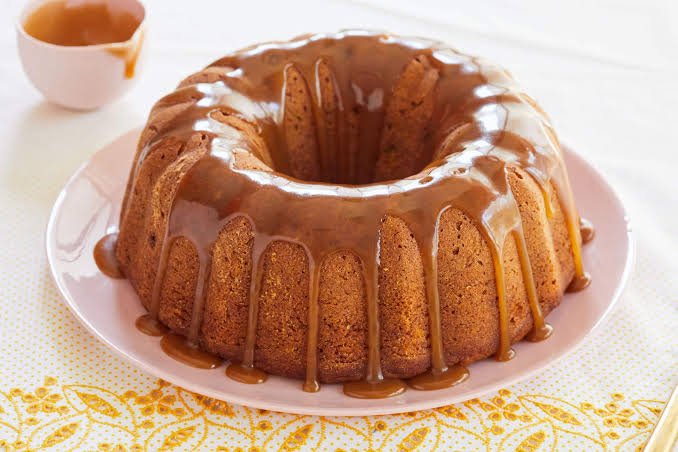
Pumpkin Bundt Cake Brown Butter Glaze
When autumn arrives, few desserts feel as comforting as a warm slice of Pumpkin Bundt Cake Brown Butter Glaze. This tender pumpkin cake is filled with cozy cinnamon and pumpkin spice, then finished with a smooth brown butter glaze that adds a delicate toasted, nutty richness to every bite. The cake stays soft and moist thanks to pumpkin puree, while the golden glaze settles into all those beautiful Bundt cake ridges.
What makes this pumpkin Bundt cake especially appealing is how simple it is to prepare. You do not need complicated decorating skills or hard-to-find ingredients to create a dessert that looks elegant on the table. The Bundt pan gives the cake its classic shape, and the brown butter glaze provides just enough sweetness and richness to make each slice feel special.
Serve it with coffee on a crisp morning, bring it to a fall gathering, or make it for Thanksgiving dessert. However you serve it, this pumpkin spice cake is an inviting combination of tender crumb, warm spices, and buttery glaze that belongs in your fall baking lineup.
Why You’ll Love This Recipe
- Easy enough for beginners: The batter comes together with simple mixing and everyday baking ingredients.
- Moist and tender: Pumpkin puree helps create a soft crumb that stays pleasantly moist without feeling heavy.
- Warm fall flavor: Cinnamon, pumpkin spice, and brown sugar give the cake its cozy seasonal character.
- Rich brown butter glaze: Browning the butter adds a subtle toasted, nutty flavor that pairs beautifully with pumpkin.
- Beautiful without complicated decorating: The Bundt pan creates an elegant shape, while the glaze naturally drips over the ridges.
- Perfect for gatherings: This cake slices easily and makes a lovely addition to Thanksgiving, brunches, potlucks, and fall celebrations.
- Great with coffee or tea: The tender pumpkin cake and buttery glaze make a comforting afternoon treat.
- Make-ahead friendly: The cake can be prepared ahead of time, making it convenient when you are planning a holiday meal or gathering.
Ingredients
For the pumpkin Bundt cake:
- 2 1/2 cups all-purpose flour
- 2 teaspoons baking powder
- 1 teaspoon baking soda
- 1 teaspoon pumpkin pie spice
- 1/2 teaspoon ground cinnamon
- 1/2 teaspoon salt
- 1 cup unsalted butter, softened
- 1 1/2 cups granulated sugar
- 1/2 cup packed light brown sugar
- 4 large eggs, room temperature
- 1 1/2 cups pumpkin puree
- 2 teaspoons pure vanilla extract
- 1/2 cup buttermilk
For the brown butter glaze:
- 6 tablespoons unsalted butter
- 1 1/2 cups powdered sugar
- 2 to 3 tablespoons milk or heavy cream
- 1 teaspoon pure vanilla extract
- Pinch of salt
For the pan:
- 1 to 2 tablespoons softened butter or baking spray
- 1 to 2 tablespoons all-purpose flour, if needed for coating the pan
Ingredient Notes & Substitutions
A few simple ingredient choices can make a noticeable difference in the texture and flavor of this pumpkin Bundt cake.
Pumpkin Puree
Use pure pumpkin puree, not pumpkin pie filling. Pumpkin puree gives the cake its moisture and earthy pumpkin flavor without adding extra sugar or spices. Canned pumpkin works perfectly, although homemade pumpkin puree can also be used if it is thick and not watery.
All-Purpose Flour
All-purpose flour provides enough structure for the Bundt cake while keeping the crumb soft. Measure it carefully by spooning it into your measuring cup and leveling the top. Too much flour can make the finished cake dense or dry.
Butter
Use unsalted butter for both the cake and the brown butter glaze. This gives you better control over the salt level and lets the toasted butter flavor shine.
For the glaze, browning the butter is worth the extra few minutes. The milk solids turn golden and develop a warm, nutty aroma that complements the pumpkin and spices beautifully.
Buttermilk
Buttermilk helps keep the cake tender and adds a subtle tang that balances the sweetness. If you do not have buttermilk, combine 1/2 cup milk with 1 1/2 teaspoons lemon juice or white vinegar. Let it stand for about 5 minutes before using.
Pumpkin Pie Spice
A store-bought pumpkin spice blend keeps the recipe convenient. If you prefer to make your own, use a mixture of cinnamon, ginger, nutmeg, and a small amount of cloves or allspice.
Brown Sugar
Light brown sugar adds moisture and a gentle caramel flavor. Dark brown sugar can also be used if you prefer a deeper molasses note.
Dairy-Free Option
For a dairy-free version, use a plant-based butter suitable for baking and replace the buttermilk with unsweetened plant milk mixed with lemon juice or vinegar. Choose a dairy-free milk with a neutral flavor, such as oat or soy milk.
Gluten-Free Option
A reliable cup-for-cup gluten-free baking flour can replace the all-purpose flour. Choose a blend designed for cakes and baking, preferably one that already contains xanthan gum.
Milk or Cream for the Glaze
Milk creates a lighter glaze, while heavy cream produces a thicker and richer finish. Add the liquid gradually so you can control the consistency. The glaze should be smooth and pourable, but not watery.
Kitchen Tools Needed
You do not need a long list of special equipment to make this pumpkin Bundt cake. A few basic baking tools will make the process simple and reliable.
- 10 to 12-cup Bundt pan: The classic choice for this cake. A well-coated pan helps the cake release cleanly while keeping its beautiful shape.
- Large mixing bowl: Gives you enough room to combine the dry ingredients without spilling.
- Medium mixing bowl: Useful for whisking the flour mixture separately.
- Electric hand mixer or stand mixer: Makes creaming the butter and sugars quick and easy. A sturdy whisk and some elbow grease can also work.
- Whisk: Helpful for combining the dry ingredients and smoothing the glaze.
- Rubber spatula: Ideal for scraping the sides and bottom of the bowl so no batter is left behind.
- Measuring cups and spoons: Accurate measurements are especially important when baking.
- Small saucepan: Needed for browning the butter for the glaze.
- Wire cooling rack: Allows air to circulate around the cake as it cools.
- Small bowl: Useful for mixing the brown butter glaze.
- Cake stand or serving platter: Optional, but helpful for presenting the finished Bundt cake.
Helpful Tip
Before you begin, make sure your Bundt pan is thoroughly greased, especially around the center tube and all the decorative grooves. A light coating of flour over the butter can provide extra insurance against sticking. Let the cake cool properly before turning it out, since a warm Bundt cake can be fragile and more likely to break.
Step-by-Step Instructions
1. Prepare the Bundt Pan
Preheat your oven to 350°F (175°C). Generously grease a 10 to 12-cup Bundt pan, making sure to reach every groove, the center tube, and the edges. Lightly dust the pan with flour, then tap out any excess.
This step is especially important with Bundt cakes because the detailed shape gives the batter more places to stick.
2. Mix the Dry Ingredients
In a medium bowl, whisk together the flour, baking powder, baking soda, pumpkin pie spice, cinnamon, and salt.
Whisking helps distribute the leavening agents and spices evenly, so you do not end up with pockets of baking soda or spice in the finished cake.
3. Cream the Butter and Sugars
In a large mixing bowl, beat the softened butter, granulated sugar, and brown sugar until the mixture becomes light and fluffy, about 2 to 3 minutes.
The butter should be soft enough to blend easily but not melted. Properly creamed butter helps give the cake a lighter texture.
4. Add the Eggs
Beat in the eggs one at a time, mixing well after each addition. Scrape down the sides of the bowl as needed.
Add the vanilla extract and mix briefly until incorporated.
If the mixture looks slightly curdled after adding the eggs, do not worry. It will come together once the dry ingredients and pumpkin are added.
5. Add the Pumpkin
Mix in the pumpkin puree until evenly combined.
The batter will become thick, smooth, and richly orange. Make sure there are no visible streaks of pumpkin remaining.
6. Combine the Batter
Add about one-third of the dry ingredients to the wet mixture and mix on low speed until just combined.
Add half of the buttermilk and mix briefly. Continue alternating the dry ingredients and remaining buttermilk, finishing with the dry ingredients.
Do not overmix. Stop as soon as the flour disappears. Overmixing can develop too much gluten and leave the cake heavier than intended.
7. Fill the Bundt Pan
Transfer the batter to the prepared Bundt pan. Use a rubber spatula to spread it evenly around the pan.
Gently tap the pan on the counter once or twice to help settle the batter and remove any large air pockets.
The batter should fill the pan without coming too close to the rim. Leave enough room for the cake to rise as it bakes.
8. Bake the Cake
Place the pan in the center of the preheated oven and bake for approximately 50 to 60 minutes.
Start checking around the 50-minute mark. The cake is ready when a toothpick inserted into the thickest part comes out clean or with a few moist crumbs attached.
The top should look set and lightly golden, and the cake should spring back gently when pressed.
Avoid opening the oven repeatedly during baking, especially during the first 40 minutes, as sudden temperature changes can affect the rise.
9. Cool Before Removing
Let the cake cool in the Bundt pan for about 10 to 15 minutes. Then carefully loosen the edges with a thin spatula if necessary.
Place a cooling rack over the pan and gently invert the cake. Allow it to cool completely before adding the glaze.
Do not try to glaze the cake while it is still warm. A warm cake can cause the glaze to melt too quickly and slide straight off.
10. Brown the Butter
While the cake cools, make the glaze.
Place the butter in a small saucepan over medium heat. Let it melt, then continue cooking while stirring or swirling the pan occasionally.
The butter will foam first. Keep cooking until the foam subsides and the milk solids at the bottom become golden brown. You should notice a warm, toasted, nutty aroma.
Remove the saucepan from the heat immediately once the butter reaches a deep golden color. Brown butter can quickly move from perfectly toasted to burnt.
11. Make the Brown Butter Glaze
Let the browned butter cool for a few minutes, then whisk it with the powdered sugar, vanilla, salt, and 2 tablespoons of milk or cream.
Add another tablespoon of liquid if needed until the glaze reaches a smooth, pourable consistency.
If the glaze becomes too thin, whisk in a little more powdered sugar. If it is too thick, add milk or cream a teaspoon at a time.
12. Glaze the Pumpkin Bundt Cake
Place the completely cooled cake on a serving platter or wire rack set over a baking sheet.
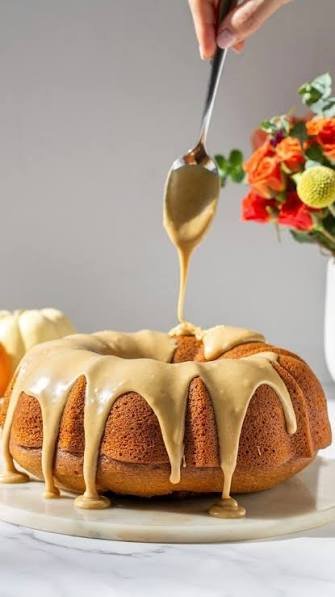
Slowly spoon or drizzle the brown butter glaze over the top, allowing it to naturally flow down the ridges of the Bundt cake.
Let the glaze sit for several minutes before slicing so it can begin to set.
For the cleanest slices, use a sharp serrated knife and cut gently through the tender cake.
Common Mistakes to Avoid
- Do not use pumpkin pie filling: It already contains added sugar and spices and can change the recipe’s texture.
- Do not overmix the batter: Mix only until the ingredients are combined.
- Do not under-grease the Bundt pan: Pay special attention to the decorative grooves.
- Do not over-brown the butter: Golden brown is what you want. Dark, nearly black butter will taste bitter.
- Do not glaze a hot cake: Let it cool completely for a thicker, more attractive glaze.
- Do not rely only on baking time: Oven temperatures vary, so use a toothpick to check for doneness.
Expert Tips for the Best Pumpkin Bundt Cake
A few small baking details can make this pumpkin Bundt cake even more tender, flavorful, and easy to serve.
Use Room-Temperature Ingredients
Let the butter and eggs come to room temperature before mixing. Room-temperature ingredients blend more evenly, which helps create a smoother batter and a more consistent crumb.
Measure Flour Carefully
Too much flour is one of the easiest ways to end up with a dry Bundt cake. Spoon the flour into your measuring cup and level it with the back of a knife rather than scooping directly from the bag.
Do Not Overmix the Batter
Once the flour is added, mix only until everything is incorporated. A few small streaks of flour can be finished with a rubber spatula. Overmixing can make the cake dense and chewy instead of soft and tender.
Grease Every Part of the Bundt Pan
Use softened butter or a quality baking spray and work it thoroughly into every ridge. If your pan has an especially detailed design, lightly dust it with flour after greasing.
Let the Cake Cool Before Inverting
Give the baked cake 10 to 15 minutes in the pan before turning it out. Removing it immediately can cause it to break, while leaving it in the pan for too long can make it more difficult to release cleanly.
Watch the Brown Butter Closely
The butter can change from golden to burnt very quickly. Once you see golden-brown flecks and smell a toasted, nutty aroma, remove it from the heat. The residual heat will continue cooking the butter slightly.
Adjust the Glaze Consistency
The ideal brown butter glaze should be thick enough to cling to the cake but loose enough to drizzle down the sides. Add the milk or cream gradually instead of pouring it all in at once.
Add the Glaze to a Completely Cooled Cake
For defined drips and a thicker finish, wait until the cake has cooled completely. If the cake is warm, the glaze can become too thin and disappear into the surface.
Give the Cake Time to Rest
If possible, let the glazed cake sit for about 15 to 20 minutes before serving. This allows the glaze to settle and gives the flavors a little time to come together.
For Extra Pumpkin Spice Flavor
If you prefer a more pronounced spice profile, add a small extra pinch of cinnamon or pumpkin pie spice. Keep the amount modest so the spices complement the pumpkin instead of overpowering the brown butter glaze.
Variations
This pumpkin Bundt cake is easy to customize without losing its soft texture or cozy fall flavor. Try one of these variations when you want to give the classic recipe a different twist.
Healthier Pumpkin Bundt Cake
For a lighter version, replace part of the all-purpose flour with whole wheat pastry flour. You can also slightly reduce the granulated sugar if you prefer a less sweet cake.
Keep in mind that making too many changes at once can affect the texture, so start with small adjustments.
Extra-Spiced Pumpkin Cake
If you enjoy bold fall spices, increase the pumpkin pie spice slightly and add a pinch of ground ginger or nutmeg. A little extra cinnamon also works beautifully with the brown butter glaze.
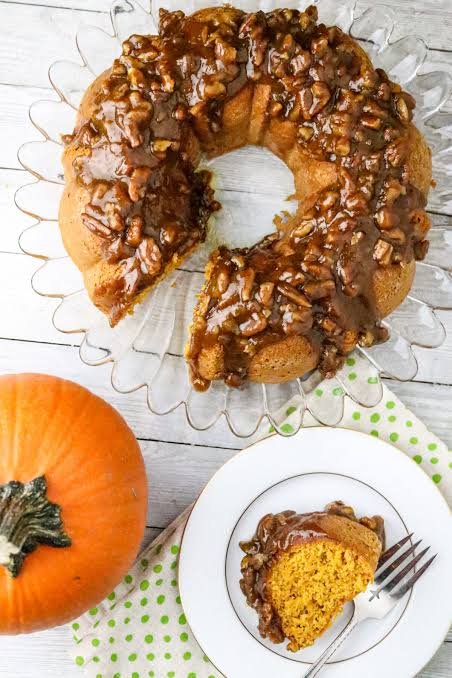
Pumpkin Pecan Bundt Cake
Fold about 3/4 cup of finely chopped toasted pecans into the finished batter. The pecans add a pleasant crunch and a buttery, nutty flavor that pairs naturally with browned butter.
For an even prettier presentation, sprinkle a few toasted pecans over the glaze before it sets.
Chocolate Chip Pumpkin Bundt Cake
Add about 1 cup of semi-sweet chocolate chips to the batter. The chocolate creates pockets of richness throughout the tender pumpkin cake and works especially well with the warm spices.
Toss the chocolate chips with a small amount of flour before folding them in to help prevent them from sinking to the bottom.
Maple Brown Butter Glaze
Replace part of the milk or cream in the glaze with pure maple syrup. The maple adds a gentle sweetness and complements the pumpkin and toasted butter flavors.
Because maple syrup is naturally sweet, you may want to reduce the powdered sugar slightly and adjust the glaze gradually.
Dairy-Free Pumpkin Bundt Cake
Use dairy-free baking butter in both the cake and glaze. Replace the buttermilk with unsweetened plant-based milk mixed with lemon juice or vinegar.
For the glaze, choose a dairy-free butter that browns well. Some plant-based butters contain more water than traditional butter, so watch the saucepan carefully as you cook.
Gluten-Free Pumpkin Bundt Cake
Use a good-quality cup-for-cup gluten-free flour blend designed for baking. If the blend does not contain xanthan gum, follow the manufacturer’s recommendation for adding it.
Grease the Bundt pan particularly well, since gluten-free cakes can sometimes be more delicate when released.
Mini Pumpkin Bundt Cakes
For individual portions, divide the batter among well-greased mini Bundt cake pans. Baking time will be shorter, so begin checking for doneness earlier than you would with a full-size Bundt cake.
Once cooled, drizzle each mini cake with the brown butter glaze for an elegant dessert that’s easy to serve at gatherings.
Storage Instructions
This pumpkin Bundt cake stores well, making it a convenient dessert to prepare ahead of time.
At Room Temperature
Store the completely cooled cake in an airtight cake container or cover it tightly with plastic wrap. It can be kept at room temperature for up to 3 days.
If you have already added the brown butter glaze, allow it to set before covering the cake so the glaze does not smear.
In the Refrigerator
For longer storage, place the covered cake in the refrigerator for up to 5 days. Because refrigeration can make cake feel slightly firmer, let individual slices sit at room temperature for about 20 to 30 minutes before serving.
You can also warm a slice gently in the microwave for about 10 to 15 seconds if you prefer a softer texture.
Freezing the Cake
For best results, freeze the cake without the glaze. Wrap the cooled cake tightly in plastic wrap, then place it in a freezer-safe bag or airtight container.
Freeze for up to 3 months.
When ready to serve, transfer the cake to the refrigerator overnight or let it thaw at room temperature for several hours. Once completely thawed, prepare fresh brown butter glaze and drizzle it over the cake.
Freezing Individual Slices
You can also freeze individual slices for convenient portions. Wrap each slice separately and place the wrapped pieces in a freezer-safe container.
Thaw a slice at room temperature, then add fresh glaze just before serving.
Reheating
This cake is delicious at room temperature, but a slightly warm slice can be especially comforting. Heat one slice in the microwave for approximately 10 to 15 seconds.
Avoid overheating it, as too much microwave time can dry out the tender crumb and make the glaze excessively runny.
Frequently Asked Questions
Can I use pumpkin pie filling instead of pumpkin puree?
No. Pumpkin pie filling already contains sugar and spices, which can change the sweetness, flavor, and texture of the cake. Use plain canned pumpkin puree for the best results.
Why did my Bundt cake stick to the pan?
The most common reasons are insufficient greasing, an overly detailed pan, or turning the cake out too soon. Grease every groove carefully and let the baked cake rest in the pan for about 10 to 15 minutes before inverting it.
Can I make this pumpkin Bundt cake ahead of time?
Yes. The cake can be baked a day or two ahead and stored tightly covered at room temperature. For the freshest finish, prepare the brown butter glaze shortly before serving.
How do I know when the pumpkin cake is done?
Insert a toothpick into the thickest part of the cake. It should come out clean or with a few moist crumbs attached. The cake should also spring back gently when lightly pressed.
Why is my brown butter glaze too thin?
Add a little more powdered sugar and whisk until the glaze thickens. If it is too thick, add milk or cream a teaspoon at a time until it reaches a smooth, pourable consistency.
Can I make the glaze without browning the butter?
Yes, but browning the butter gives the glaze its distinctive toasted, nutty flavor. If you are short on time, you can simply melt the butter and continue with the recipe, although the flavor will be milder.
Can I use homemade pumpkin puree?
Yes, as long as it is thick and has a similar consistency to canned pumpkin puree. If homemade puree contains excess water, strain it first so the additional moisture does not affect the cake’s texture.
Can I make this cake without a Bundt pan?
You can use another cake pan, but the baking time will change depending on its size and shape. A Bundt pan is recommended because its central tube helps the thick pumpkin batter bake evenly while creating the classic decorative shape.
How long should the glaze sit before serving?
Allow the glazed cake to rest for about 15 to 20 minutes. This gives the glaze time to settle and slightly firm up while keeping the cake moist underneath.
Can I add nuts or chocolate chips?
Absolutely. Chopped toasted pecans or walnuts add crunch, while semi-sweet chocolate chips bring extra richness. Keep added ingredients moderate so they do not weigh down the cake.
Pumpkin Bundt Cake Brown Butter Glaze
Ingredients
Method
- Prepare the oven and pan: Preheat the oven to 350°F (175°C). Thoroughly grease a 10 to 12-cup Bundt pan, making sure to coat every groove. Lightly dust with flour and tap out the excess.
- Combine the dry ingredients: Whisk together the flour, baking powder, baking soda, pumpkin pie spice, cinnamon, and salt in a medium bowl.
- Cream the butter and sugars: In a large bowl, beat the softened butter, granulated sugar, and brown sugar until light and fluffy, about 2 to 3 minutes.
- Add the eggs: Beat in the eggs one at a time, mixing well after each addition. Mix in the vanilla extract.
- Add the pumpkin: Stir in the pumpkin puree until evenly incorporated.
- Finish the batter: Add the dry ingredients in three additions, alternating with the buttermilk. Mix just until combined. Do not overmix.
- Fill the pan: Spoon the batter evenly into the prepared Bundt pan. Gently tap the pan once or twice against the counter to settle the batter.
- Bake: Bake for 50 to 60 minutes, or until a toothpick inserted into the thickest part comes out clean or with a few moist crumbs.
- Cool: Let the cake cool in the pan for 10 to 15 minutes. Carefully invert it onto a wire rack and allow it to cool completely.
- Brown the butter: Melt the butter in a small saucepan over medium heat. Continue cooking until golden-brown flecks appear and the butter smells toasted and nutty. Remove from the heat promptly.
- Make the glaze: Let the browned butter cool slightly. Whisk it with powdered sugar, vanilla, salt, and 2 tablespoons of milk or cream. Add more liquid gradually if needed.
- Glaze the cake: Drizzle the glaze over the completely cooled Bundt cake, allowing it to flow naturally over the ridges. Let the glaze set for about 15 to 20 minutes before slicing.
Video
Notes
- Use plain pumpkin puree rather than pumpkin pie filling.
- Room-temperature eggs and butter help create a smoother batter.
- Do not overmix once the flour is added.
- Grease the Bundt pan thoroughly to make releasing the cake easier.
- Watch the butter closely while browning because it can burn quickly.
- Let the cake cool completely before glazing for the best finish.
- For a thicker glaze, add more powdered sugar. For a thinner glaze, add milk or cream a teaspoon at a time.
- Chopped toasted pecans or semi-sweet chocolate chips can be added for variation.
Final Thoughts
This Pumpkin Bundt Cake with Brown Butter Glaze brings together everything that makes fall baking so comforting: a tender pumpkin crumb, warm spices, and a silky glaze with a delicate toasted butter flavor. The beautiful Bundt shape also makes it feel special enough for a holiday table while remaining simple enough for a relaxed weekend bake.
Take your time with the little details, especially greasing the Bundt pan thoroughly and browning the butter carefully. Those steps make a real difference in the finished cake.
Serve each slice with a cup of coffee or tea, or add a spoonful of whipped cream for an extra treat. If you try this recipe, consider sharing how it turned out and which variation you enjoyed most.
One Comment