
How Many Tablespoons In A Stick Of Butter
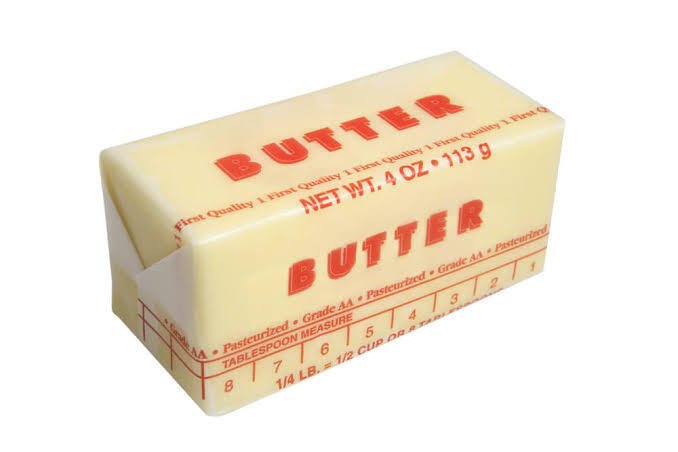
If a recipe calls for a stick of butter and you are wondering exactly how much to use, you are not alone. How Many Tablespoons In A Stick Of Butter is one of those simple kitchen questions that can make a big difference when you are baking cookies, cakes, pies, or making a buttery sauce. In the United States, one full stick of butter equals 8 tablespoons, or 1/2 cup, making it easy to convert once you know the basic measurement.
Knowing how to measure butter accurately can help you get the right texture every time. Too much butter can leave cookies flat or greasy, while too little can make baked goods dry and crumbly. Whether you are working with butter sticks, a large block, or a recipe written in cups or tablespoons, a few quick conversions can take the guesswork out of the kitchen. In this guide, you will find the most useful butter measurements, simple ways to cut a stick, and helpful tips for getting accurate results.
Why You’ll Love This Recipe
- Simple to remember: One standard U.S. stick of butter equals 8 tablespoons, so the basic conversion is quick and easy.
- Helpful for baking: Accurate butter measurements can make a noticeable difference in cookies, cakes, pastries, and other baked treats.
- Easy to convert: Learn how tablespoons, cups, ounces, and grams relate to one stick of butter.
- Beginner-friendly: No special equipment is needed. A butter wrapper, knife, or measuring spoon is usually enough.
- Useful for any recipe: Whether a recipe calls for 2 tablespoons or several sticks, you can quickly figure out the amount you need.
- Prevents measuring mistakes: Understanding butter equivalents helps you avoid adding too much or too little to a recipe.
- Great for substitutions: If you have butter in a block instead of sticks, the measurements make it much easier to portion correctly.
Ingredients
For this butter measurement guide, you only need a few basic kitchen items:
- 1 stick of butter: 8 tablespoons
- 1 stick of butter: 1/2 cup
- 1 stick of butter: 4 ounces
- 1 stick of butter: About 113 grams
Quick Butter Conversion
| Butter Amount | Tablespoons | Cups | Ounces | Grams |
| 1/4 stick | 2 tbsp | 1/8 cup | 1 oz | 28 g |
| 1/2 stick | 4 tbsp | 1/4 cup | 2 oz | 57 g |
| 1 stick | 8 tbsp | 1/2 cup | 4 oz | 113 g |
| 2 sticks | 16 tbsp | 1 cup | 8 oz | 227 g |
Important: These measurements apply to the standard U.S. stick of butter. Butter packaging and stick sizes can vary in other countries, so check the package weight when using an international recipe.
Ingredient Notes & Substitutions
Understanding butter measurements is especially helpful when a recipe uses a different form of butter than the one you have on hand. Here are a few simple tips to make conversions easier.
Salted vs. Unsalted Butter
For measuring purposes, salted and unsalted butter have the same volume. One standard stick still equals 8 tablespoons. The main difference is the salt content, which can affect the flavor of baked goods.
If a recipe specifically calls for unsalted butter, you can usually use salted butter, but consider reducing or leaving out some of the added salt in the recipe.
Butter Sold in Blocks
If your butter does not come in sticks, check the package weight. A standard U.S. stick weighs 4 ounces, or about 113 grams. From there, you can portion it using the tablespoon conversion.
For example, half of a standard stick is 4 tablespoons, while one-quarter of a stick is 2 tablespoons.
Measuring Butter From a Large Block
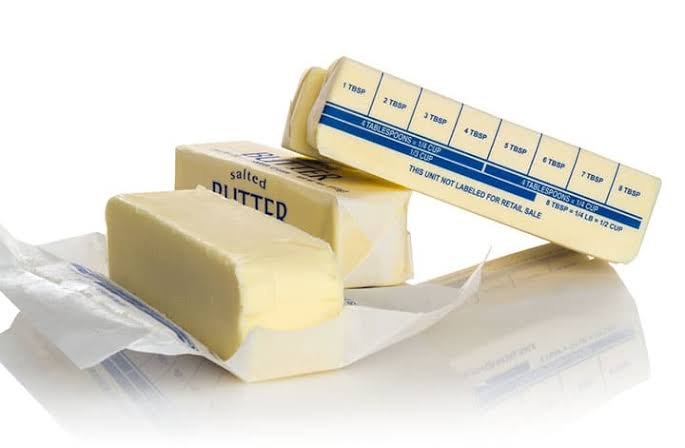
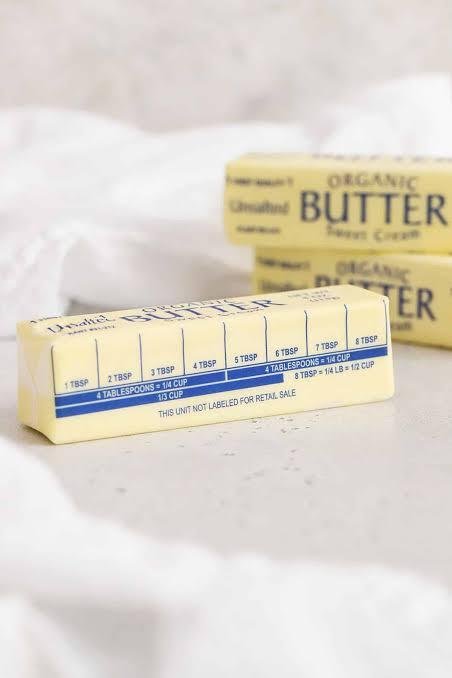
Many butter packages have measurement markings printed directly on the wrapper. These lines make it easy to cut the amount you need without using a measuring spoon.
If there are no markings, a kitchen scale is the most accurate option, especially for baking recipes where precise measurements matter.
Butter Substitutions
If you need to replace butter, the best substitute depends on the recipe. Margarine can often be used in similar amounts, while coconut oil or other fats may require adjustments because their texture and water content differ from butter.
For cakes, cookies, and pastries, changing the fat can affect tenderness, spread, flavor, and browning, so substitutions should be made with care.
Kitchen Tools Needed
You do not need much equipment to measure a stick of butter accurately. A few basic kitchen tools are enough.
- Measuring spoons: Useful when a recipe calls for a small amount of butter, such as 1 or 2 tablespoons.
- Kitchen knife: Helps you cut a stick of butter into smaller portions.
- Kitchen scale: The most precise option when measuring butter by grams or ounces, especially for baking.
- Liquid or dry measuring cup: Helpful when working with recipes that list butter by volume, although weighing butter is generally more precise.
- Butter wrapper markings: Many U.S. butter sticks have tablespoon measurements printed on the wrapper, making portioning quick and convenient.
Helpful Tip
If your butter is cold and difficult to cut, let it sit at room temperature for a few minutes. It should become firm but sliceable. For the most accurate measurement, avoid estimating large portions by eye when the recipe requires precision.
Step-by-Step Instructions
Measuring a stick of butter is simple once you know the standard conversion. Follow these steps whenever a recipe gives you a butter measurement that you need to convert.
1. Check the Butter Package
Start by checking the package to see whether your butter comes in a standard U.S. stick. A standard stick weighs 4 ounces, or about 113 grams.
If you are using butter from a different country, check the package weight first because stick sizes can vary.
2. Remember the Basic Conversion
One standard stick of butter equals:
8 tablespoons = 1/2 cup = 4 ounces = about 113 grams
This is the key measurement to remember when converting butter for recipes.
3. Use the Wrapper Markings
If your butter stick has tablespoon markings on the wrapper, use them as a cutting guide. Most standard U.S. butter sticks are marked into 8 tablespoon portions.
For example, if you need 3 tablespoons, simply cut the butter at the 3-tablespoon mark.
4. Cut the Butter Into Smaller Portions
If the wrapper does not have markings, use a knife to divide the stick evenly.
A full stick contains 8 tablespoons, so:
- 1/2 stick = 4 tablespoons
- 1/4 stick = 2 tablespoons
- 3/4 stick = 6 tablespoons
For a large block of butter, using a kitchen scale can make these portions even more accurate.
5. Convert the Recipe Measurement
If your recipe calls for tablespoons but you have sticks of butter, divide the number of tablespoons by 8.
For example, 6 tablespoons of butter equals 3/4 of a stick.
If a recipe calls for 12 tablespoons, that equals 1 1/2 sticks.
6. Pay Attention to Butter Temperature
Once you have measured the correct amount, check whether the recipe calls for softened, melted, chilled, or cold butter. The amount stays the same, but the butter’s texture can greatly affect the final result.
For cookies, softened butter can help create a smooth, creamy mixture. Cold butter is often important for flaky pastries, while melted butter can create a denser texture in some baked goods.
Common Mistakes to Avoid
The most common mistake is assuming every package of butter contains the same size stick. Always check the package, especially when using butter outside the United States.
Another mistake is confusing 8 tablespoons with 8 ounces. A standard stick contains 8 tablespoons but only 4 ounces by weight.
For the most reliable results, use the package markings or a kitchen scale when the recipe requires precise measurements.
Expert Tips for Measuring Butter
A few small habits can make butter measurements much more accurate, especially when baking recipes depend on precise proportions.
1. Use a Kitchen Scale for the Most Accuracy
When a recipe gives butter measurements in grams, weigh the butter instead of converting it to tablespoons. A standard U.S. stick is about 113 grams, making a scale the easiest way to get a precise amount.
2. Read the Package Before Cutting
Do not assume every butter package uses the same measurements. Standard U.S. sticks are typically marked by tablespoons, but butter sold in other countries may come in different sizes.
3. Cut Cold Butter With a Sharp Knife
Cold butter is easier to portion cleanly when you use a sharp knife. If it is too firm, let it sit at room temperature briefly rather than trying to force the knife through it.
4. Do Not Confuse Weight With Volume
Remember that 8 tablespoons of butter equals 4 ounces by weight, not 8 ounces. This is an easy mistake to make when converting between different measurement systems.
5. Measure Before Melting
If a recipe calls for melted butter, measure the butter first unless the recipe specifically gives a measurement for melted butter. This keeps your measurement consistent and helps prevent accidental overuse.
6. Follow the Recipe’s Measurement System
If a baking recipe provides measurements in grams, use grams whenever possible. Weight measurements are generally more precise than volume measurements and can give you more consistent results from batch to batch.
7. Let Butter Reach the Right Temperature
Correct measurement is only part of the process. Butter temperature also matters. Softened butter, cold butter, and melted butter behave differently in recipes, so follow the preparation instructions carefully for the best texture.
Butter Measurement Variations
Once you know that one standard U.S. stick of butter equals 8 tablespoons, you can easily adjust the amount for different recipes and kitchen situations.
Half Stick of Butter
Need a smaller amount? Half a stick equals 4 tablespoons, 1/4 cup, 2 ounces, or about 57 grams. This is a common amount for small batches of cookies, sauces, and quick breads.
Quarter Stick of Butter
A quarter stick equals 2 tablespoons, 1/8 cup, 1 ounce, or about 28 grams. It is especially handy when a recipe needs just a small amount of butter.
Three-Quarter Stick of Butter
Three-quarters of a standard stick equals 6 tablespoons, 3/8 cup, 3 ounces, or about 85 grams. This measurement can be useful when scaling recipes up or down.
Dairy-Free Option
If you need a dairy-free alternative, a plant-based butter designed for baking can often replace regular butter. Check the package directions because the water and fat content can vary between brands.
Gluten-Free Baking
Butter itself is naturally gluten-free, so there is usually no need to change the butter measurement when preparing a gluten-free recipe. The other ingredients should still be checked to make sure the entire recipe is gluten-free.
Scaling a Recipe
When doubling or halving a recipe, multiply or divide the butter measurement just as you would with the other ingredients.
For example, a recipe using 1 stick of butter needs 2 sticks when doubled. A recipe using 1/2 stick needs 1/4 stick when halved.
Keeping the basic 8-tablespoon conversion in mind makes these adjustments much easier.
Storage Instructions
Butter is easy to store, but proper storage helps protect its creamy texture and fresh flavor.
Refrigerator Storage
Keep unopened or leftover butter in the refrigerator, ideally in its original packaging or a sealed container. This helps prevent it from absorbing odors from foods such as onions, garlic, or strongly seasoned dishes.
For everyday use, you can cut the amount you need from a refrigerated stick and return the remaining butter to the fridge.
Room Temperature Storage
A small amount of butter can be kept at room temperature for convenient spreading, provided your kitchen is not excessively warm. Keep it covered in a butter dish or airtight container and use clean utensils when serving.
For longer storage, refrigeration is the safer choice.
Freezer Storage
Butter freezes well, making it useful to keep extra sticks on hand. Wrap the butter securely in its original packaging or place it in a freezer-safe bag or airtight container.
Frozen butter can generally be kept for several months while maintaining good quality.
Thawing Frozen Butter
Move frozen butter to the refrigerator to thaw gradually, or let it soften at room temperature when you need it for baking. If a recipe calls for melted butter, you can melt it directly after portioning.
For the best results, measure the butter before changing its texture when the recipe gives a specific amount.
Frequently Asked Questions
How many tablespoons are in a stick of butter?
One standard U.S. stick of butter contains 8 tablespoons. It is also equal to 1/2 cup, 4 ounces, or about 113 grams.
How many cups are in a stick of butter?
One stick of butter equals 1/2 cup.
How many tablespoons are in half a stick of butter?
Half a stick contains 4 tablespoons, which is equal to 1/4 cup.
How many tablespoons are in a quarter stick of butter?
A quarter stick contains 2 tablespoons or about 28 grams.
How much does one stick of butter weigh?
A standard U.S. stick weighs 4 ounces, or approximately 113 grams.
Is 8 tablespoons the same as 1 stick of butter?
Yes. For standard U.S. butter sticks, 8 tablespoons equals 1 stick.
Does salted butter measure the same as unsalted butter?
Yes. Salted and unsalted butter have the same volume measurements. One standard stick of either type contains 8 tablespoons. The difference is the amount of salt.
What if my butter does not come in sticks?
Check the package weight and use a kitchen scale if possible. For standard U.S. butter, 113 grams equals one stick.
Can I use a measuring spoon for butter?
Yes. Measuring spoons work well for small amounts, especially when a recipe calls for 1 to 4 tablespoons of butter.
Are butter stick measurements the same everywhere?
No. The standard 8-tablespoon stick is primarily a U.S. measurement. Butter packaging varies in other countries, so always check the package weight and measurements before converting.

How Many Tablespoons In A Stick Of Butter
Ingredients
Method
- Check the butter package to confirm it is a standard U.S. stick
- Remember that 1 stick equals 8 tablespoons
- Use the wrapper markings to portion the butter when available
- For greater accuracy, weigh the butter with a kitchen scale
- Convert the amount as needed: 1/2 stick equals 4 tablespoons, and 1/4 stick equals 2 tablespoons.
Video
Notes
- One standard U.S. stick of butter equals 8 tablespoons.
- One stick equals 1/2 cup.
- One stick weighs 4 ounces, or about 113 grams.
- Butter stick sizes can vary outside the United States, so check the package before measuring.
- Calorie content can vary slightly by butter brand.
Final Thoughts
Knowing how many tablespoons are in a stick of butter is one of those small kitchen basics that can make cooking and baking much easier. For standard U.S. butter, the answer is simple: 1 stick equals 8 tablespoons, 1/2 cup, 4 ounces, or about 113 grams.
Once you know these conversions, it becomes much easier to follow recipes, scale ingredients, and measure butter accurately without second-guessing yourself. Whether you are making a batch of cookies, preparing a buttery sauce, or working from a recipe that uses grams, these measurements can help you get consistent results.
Keep this butter conversion guide handy the next time a recipe calls for sticks, tablespoons, cups, or ounces. And if you often bake, consider keeping a kitchen scale nearby for the most precise measurements.
One Comment