
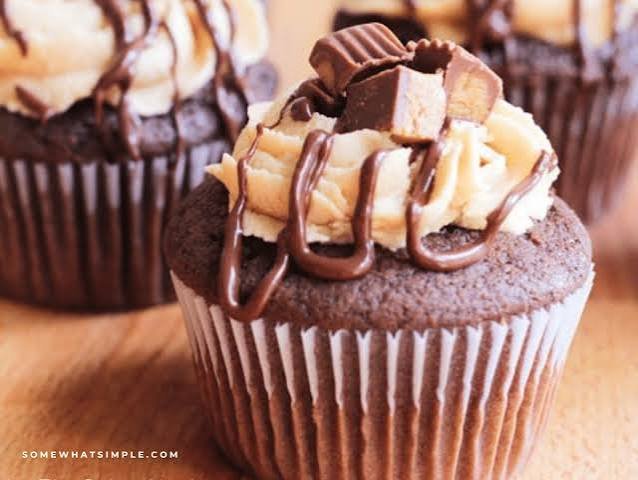
Reeses Peanut Butter Cup Frosting
If you love the classic combination of chocolate and peanut butter, this Reeses Peanut Butter Cup Frosting belongs on your next cake or batch of cupcakes. It is rich, creamy, and wonderfully smooth, with the familiar flavor of peanut butter cups in every bite. The frosting comes together with simple ingredients and has a soft, fluffy texture that makes it easy to spread, swirl, or pipe onto your favorite desserts.
What makes this peanut butter frosting especially tempting is the balance of sweet and salty flavors. Creamy peanut butter gives it a nutty richness, while butter and powdered sugar create a smooth, luscious texture. Add a little chocolate cake underneath, and you have a dessert combination that feels both comforting and indulgent without requiring complicated techniques.
Whether you are decorating birthday cupcakes, layering a chocolate cake, filling sandwich cookies, or simply looking for an easy homemade frosting, this recipe is a dependable choice. Keep reading for helpful ingredient tips, simple step-by-step instructions, and easy ways to adjust the frosting for your favorite desserts.
Why You’ll Love This Recipe
- Easy to make: This frosting uses simple pantry-friendly ingredients and comes together without complicated baking techniques.
- Rich peanut butter flavor: Creamy peanut butter gives the frosting a deliciously nutty taste that pairs beautifully with chocolate desserts.
- Smooth and fluffy texture: Properly whipped butter and peanut butter create a light, creamy frosting that spreads easily and holds its shape when piped.
- Perfect for chocolate desserts: Use it on chocolate cupcakes, layer cakes, brownies, cookies, or even as a filling between two soft cookies.
- Easy to customize: You can adjust the sweetness and consistency to make the frosting softer for spreading or firmer for piping.
- Great for special occasions: The familiar peanut butter cup flavor makes ordinary cakes and cupcakes feel extra special without requiring complicated decorations.
- Make-ahead friendly: The frosting can be prepared in advance and stored until you are ready to decorate your dessert.
- Beginner-friendly: A few simple mixing techniques are all you need to achieve a creamy, bakery-style peanut butter frosting at home.
Ingredients
Before you begin, gather all of your ingredients and let the butter soften at room temperature. Soft butter blends more easily with the peanut butter and helps create a smooth frosting without lumps.
- 1 cup creamy peanut butter: Choose regular creamy peanut butter for the smoothest texture. Avoid very runny natural peanut butter unless it has been thoroughly stirred.
- 1 cup unsalted butter: Softened to room temperature. Unsalted butter lets you control the amount of salt in the frosting.
- 4 cups powdered sugar: Provides sweetness and gives the frosting enough structure for spreading and piping.
- 2 teaspoons pure vanilla extract: Adds warmth and rounds out the peanut butter flavor.
- 1/2 teaspoon fine salt: Helps balance the sweetness and brings out the nutty flavor.
- 3 to 5 tablespoons heavy cream or milk: Use as needed to adjust the frosting to your preferred consistency.
Optional for a Chocolate-Peanut Butter Cup Flavor
- 2 tablespoons unsweetened cocoa powder: Adds a subtle chocolate note to the frosting.
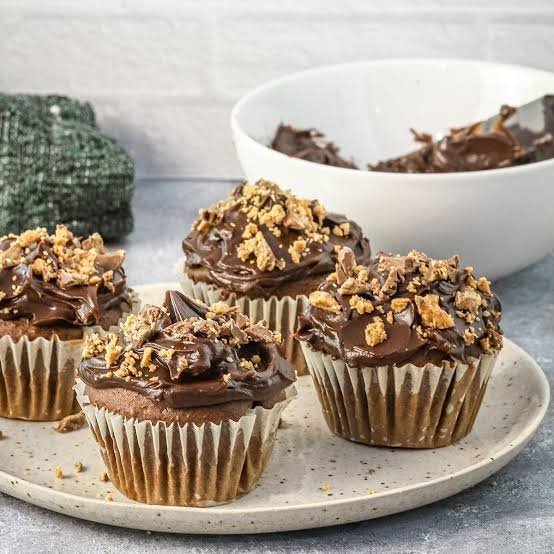
- Mini peanut butter cups: Chop them into small pieces for folding into the frosting or sprinkling over the finished cake.
- Chocolate shavings or mini chocolate chips: Useful for decorating cupcakes and cakes.
Yield
This recipe makes approximately 5 to 6 cups of frosting, depending on how much it is whipped. That is enough to generously frost a standard 9-inch two-layer cake or approximately 24 cupcakes with a moderate swirl of frosting.
Ingredient Notes & Substitutions
A few small ingredient choices can make a noticeable difference in the flavor and texture of this peanut butter cup frosting. Here is what to know before you start.
Peanut Butter
Use a creamy, conventional peanut butter for the most reliable results. Brands made with stabilizing oils usually produce a thicker, smoother frosting that is easy to spread and pipe.
Natural peanut butter can work, but make sure it is thoroughly stirred before measuring. If the peanut butter is particularly oily or runny, the frosting may turn softer than expected.
For a stronger peanut butter cup flavor, you can also stir in a small amount of finely chopped peanut butter cups after the frosting is finished.
Butter
Unsalted butter is the best choice because it allows you to control the salt level. Bring it to room temperature before mixing. It should feel soft when pressed but should not look melted or greasy.
If you only have salted butter, reduce or omit the added salt and taste the finished frosting before adding more.
Powdered Sugar
Powdered sugar gives the frosting sweetness while creating its smooth, creamy consistency. For an especially silky result, sift it before adding it to the bowl.
Add the sugar gradually rather than all at once. This helps prevent a dry, lumpy mixture and makes it easier to control the final consistency.
Heavy Cream or Milk
Heavy cream makes the frosting especially creamy and gives it a slightly richer mouthfeel. Milk works well when you want a lighter consistency.
Add the liquid one tablespoon at a time. You may not need the full amount, especially if your peanut butter is naturally soft.
Vanilla Extract
Pure vanilla extract adds depth and helps balance the rich peanut butter flavor. In a pinch, imitation vanilla can be used, although pure vanilla gives the frosting a warmer flavor.
Salt
A small amount of salt keeps the frosting from tasting overly sweet. If you are using salted butter or salted peanut butter, taste before adding the full amount.
Dairy-Free Option
For a dairy-free frosting, use a plant-based butter designed for baking and your preferred dairy-free milk. Check the labels of all ingredients if you need the finished frosting to be completely dairy-free.
Gluten-Free Option
The frosting itself can easily be made gluten-free when all ingredients are certified or labeled gluten-free. Be especially careful with decorative candies, cookie crumbs, or peanut butter cups added to the finished frosting, since those products can have different ingredients or cross-contact considerations.
Lower-Sugar Adjustment
You can slightly reduce the powdered sugar, but keep in mind that sugar contributes both sweetness and structure. Removing too much can leave the frosting loose and difficult to pipe.
For the best balance, make the recipe as written first, then adjust the sweetness and consistency according to your dessert.
Kitchen Tools Needed
You do not need any special baking equipment to make this creamy peanut butter frosting. A few basic kitchen tools are enough.
- Large mixing bowl: Gives you plenty of room to whip the frosting without making a mess.
- Electric hand mixer or stand mixer: Makes it much easier to beat the butter and peanut butter until light and fluffy.
- Measuring cups and spoons: For accurate ingredient measurements.
- Rubber spatula: Helpful for scraping the sides and bottom of the bowl and folding in any optional chopped peanut butter cups.
- Fine-mesh sieve: Optional, but useful for sifting powdered sugar and removing small lumps.
- Piping bag and decorating tip: Optional if you want neatly swirled frosting on cupcakes or decorative borders on a cake.
- Offset spatula: Helpful for spreading the frosting smoothly over cakes and brownies.
Helpful Tip
If you have a stand mixer, use the paddle attachment for a smooth, creamy frosting. A hand mixer works just as well for smaller batches. Whichever mixer you use, scrape the bowl occasionally so all of the ingredients are evenly incorporated.
Step-by-Step Instructions
1. Bring the Butter to Room Temperature
Set the butter out ahead of time so it becomes soft but not melted. Properly softened butter should press easily with your finger while still holding its shape.
Cold butter can leave small lumps, while melted butter can make the frosting too loose.
2. Beat the Butter Until Creamy
Add the softened butter to a large mixing bowl. Using an electric hand mixer or stand mixer, beat it on medium speed for about 2 to 3 minutes.
The butter should become noticeably lighter, smoother, and creamy. Scrape down the sides of the bowl as needed.
3. Add the Peanut Butter
Add the creamy peanut butter to the whipped butter. Beat again until the two ingredients are completely combined and the mixture looks smooth and fluffy.
Take a moment to scrape the bowl so no plain butter remains around the edges.
4. Mix in the Vanilla and Salt
Add the vanilla extract and salt. Beat briefly until evenly incorporated.
The salt is important because it helps balance the sweetness of the powdered sugar and makes the peanut butter flavor stand out.
5. Add the Powdered Sugar Gradually
Reduce the mixer speed to low and add the powdered sugar in several additions.
Mix slowly after each addition until the sugar is mostly incorporated. Starting on low speed helps keep powdered sugar from flying out of the bowl.
Once all the sugar has been added, increase the mixer speed to medium and beat until the frosting becomes thick and creamy.
6. Adjust the Consistency
Add 1 tablespoon of heavy cream or milk at a time, mixing after each addition.
For a spreadable frosting, aim for a soft, creamy consistency that glides easily across the surface of a cake.
For piping, keep the frosting slightly thicker so it can hold its shape.
If the frosting becomes too thin, add a little more powdered sugar. If it is too thick, add another small splash of cream or milk.
7. Whip Until Light and Fluffy
Once the consistency is right, beat the frosting for another 1 to 2 minutes.
This extra mixing time helps create a lighter texture and makes the frosting easier to spread or pipe.
The finished frosting should look smooth, fluffy, and creamy without being runny.
8. Taste and Make Small Adjustments
Taste a small amount before decorating your dessert.
If it tastes too sweet, a tiny pinch of salt can help balance it. If you want a stronger peanut butter flavor, add a little more peanut butter and mix thoroughly.
Make small adjustments rather than adding a large amount at once.
9. Add Optional Peanut Butter Cup Pieces
For extra texture, fold finely chopped peanut butter cups into the finished frosting using a rubber spatula.
Keep the pieces small if you plan to pipe the frosting, since large candy pieces can clog a decorating tip.
You can also save the candy pieces for decorating the top of the cake or cupcakes.
10. Frost Your Dessert
Once the frosting is ready, use it immediately for the smoothest texture.
Spread it over a cooled cake with an offset spatula, or transfer it to a piping bag for cupcakes.
For the best results, make sure your cake, cupcakes, or brownies are completely cool before frosting. Warm desserts can soften the butter and cause the frosting to slide.
Common Mistakes to Avoid
Using melted butter: Melted butter can make the frosting loose and difficult to pipe.
Adding too much liquid: Start with a small amount of cream or milk and increase it gradually.
Adding powdered sugar too quickly: Mix on low speed when adding the sugar to avoid a cloud of powdered sugar and uneven mixing.
Frosting a warm cake: Allow baked goods to cool completely before decorating.
Using overly runny peanut butter: Very oily natural peanut butter can affect the structure of the frosting. Stir it thoroughly before measuring or choose a creamy, stabilized variety for more predictable results.
Expert Tips
A few simple techniques can take this homemade peanut butter frosting from good to beautifully smooth, fluffy, and easy to work with.
Use Properly Softened Butter
The butter should be soft enough to whip easily but never melted. If it is too cold, the frosting may turn lumpy. If it is too warm, the mixture can become greasy and loose.
For a quick test, gently press the butter with your finger. It should leave an indentation without collapsing completely.
Whip the Butter First
Do not rush straight into adding the powdered sugar. Beating the butter on its own first creates a lighter base and gives the finished frosting a smoother texture.
Choose Creamy Peanut Butter
A smooth, conventional peanut butter usually gives the most consistent results. If you prefer natural peanut butter, stir it very well before measuring so the oil is evenly distributed.
Sift Powdered Sugar for Extra Smoothness
Sifting is not absolutely necessary, but it can make a noticeable difference when you want silky frosting. It removes stubborn sugar lumps before they have a chance to end up in the finished mixture.
Add Liquid Slowly
It is much easier to loosen thick frosting than to fix frosting that has become too thin. Start with one tablespoon of cream or milk, mix thoroughly, and add more only when needed.
Beat the Frosting Long Enough
Once all the ingredients are incorporated, give the frosting another minute or two of mixing. This helps make it lighter and fluffier while improving its spreading consistency.
Adjust for Your Dessert
The ideal consistency depends on how you plan to use the frosting. For spreading over a layer cake, slightly softer frosting is easier to work with. For piping cupcakes, keep it thick enough to hold a defined shape.
Let the Dessert Cool Completely
Always frost cakes, cupcakes, and brownies after they have cooled completely. Even slightly warm cake can soften the butter and cause your carefully piped frosting to lose its shape.
Add Chocolate for a Peanut Butter Cup Finish
For an even stronger candy-inspired flavor, drizzle melted chocolate over the finished dessert and sprinkle it with finely chopped peanut butter cups. The contrast between creamy frosting and chocolate pieces adds an appealing texture.
Make It Ahead
You can prepare the frosting before you need it. Store it covered in the refrigerator, then let it soften at room temperature and beat it briefly before using. This restores some of the smooth, fluffy texture.
Variations
Once you have the basic frosting recipe down, it is easy to customize it for different desserts, dietary needs, and flavor preferences. Here are several simple variations to try.
Chocolate Peanut Butter Frosting
Add 2 tablespoons of unsweetened cocoa powder along with the powdered sugar for a deeper chocolate flavor.
If the cocoa makes the frosting too thick, add a small amount of heavy cream or milk until you reach the desired consistency.
This version is especially good on chocolate cupcakes, brownies, and chocolate layer cakes.
Extra Peanut Butter Version
For a stronger peanut butter taste, increase the peanut butter slightly. Add it gradually and mix thoroughly before deciding whether you want more.
Keep in mind that additional peanut butter can soften the frosting, so you may need a little extra powdered sugar to bring the consistency back.
Peanut Butter Cup Crunch Frosting
Fold finely chopped peanut butter cups into the finished frosting for little pockets of chocolate and peanut butter in every bite.
For cupcakes, keep the candy pieces small enough that they do not interfere with piping.
Chocolate Drizzle Variation
Keep the frosting classic and finish the dessert with a thin drizzle of melted chocolate. Add chopped peanut butter cups over the top while the chocolate is still soft.
This gives a simple cake or cupcake a polished bakery-style finish without complicated decorating.
Dairy-Free Variation
Replace the butter with a dairy-free baking butter and use your favorite unsweetened dairy-free milk.
Check the labels on peanut butter cups and other decorations if you need the entire dessert to remain dairy-free.
Gluten-Free Variation
The frosting can be prepared with gluten-free ingredients, making it suitable for many gluten-free desserts. Always check packaged ingredients, especially candy and decorative toppings, for gluten-containing ingredients or cross-contact warnings.
Less Sweet Variation
If you prefer a less sugary frosting, you can reduce the powdered sugar slightly. The texture will become softer as you reduce the sugar, so make adjustments gradually.
A small pinch of salt can also help balance the sweetness without changing the recipe dramatically.
Chunky Peanut Butter Variation
For a little texture, use chunky peanut butter instead of creamy peanut butter.
This creates a more rustic frosting with small peanut pieces throughout. It is best for spreading rather than fine piping.
Cupcake Topping Variation
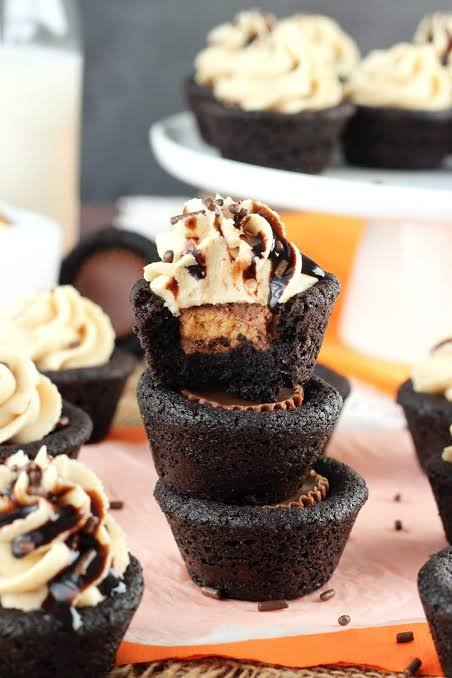
Pipe the frosting onto vanilla or chocolate cupcakes, then finish each cupcake with a mini peanut butter cup or a sprinkle of chopped chocolate.
For an extra-soft center, add a small amount of peanut butter frosting between the cupcake and the decorative swirl.
Cake Filling Variation
Use the frosting between layers of chocolate cake for a classic chocolate and peanut butter combination.
For a balanced cake, spread an even layer of frosting between each cake layer and use a thinner layer around the outside.
Storage Instructions
This peanut butter frosting stores well, which makes it convenient when you want to prepare your dessert in advance.
Refrigerator Storage
Place the finished frosting in an airtight container and refrigerate for up to 5 days.
When you are ready to use it, let the frosting sit at room temperature for about 30 to 60 minutes. Once softened, beat it briefly with a hand mixer or stand mixer until creamy again.
If the frosting feels too firm after chilling, add a small splash of milk or heavy cream and mix until it reaches the right consistency.
Freezer Storage
For longer storage, transfer the frosting to a freezer-safe airtight container and freeze for up to 3 months.
Before using, move it to the refrigerator and allow it to thaw gradually. Then bring it to room temperature and beat it again until smooth and fluffy.
Do not leave the frosting uncovered while thawing, as condensation can affect its texture.
Storing Frosted Cake or Cupcakes
If your cake or cupcakes are already decorated, keep them covered in the refrigerator if they contain other perishable fillings or toppings.
For the best texture and flavor, allow refrigerated frosted desserts to sit at room temperature for a short time before serving.
Can You Make the Frosting Ahead?
Yes. Making the frosting a day ahead can save time when preparing a cake or cupcakes for a special occasion.
Store it covered in the refrigerator, then bring it back toward room temperature and whip it briefly before decorating.
Avoid Repeated Temperature Changes
Try to remove only the amount you need and keep the rest refrigerated. Repeatedly warming and chilling the frosting can gradually affect its texture.
Frequently Asked Questions
Can I use natural peanut butter for this frosting?
Yes, but choose natural peanut butter that has been thoroughly stirred. Because natural peanut butter can contain more separated oil, the frosting may be softer or less stable than when made with conventional creamy peanut butter.
Why is my peanut butter frosting too runny?
The most common causes are overly soft butter, too much milk or cream, or very oily peanut butter. Chill the frosting briefly, then mix in a little powdered sugar at a time until it reaches a thicker consistency.
Why is my frosting too thick?
Add milk or heavy cream one tablespoon at a time and mix well after each addition. Continue until the frosting becomes smooth and easy to spread or pipe.
Can I pipe this peanut butter frosting onto cupcakes?
Yes. The frosting works well for piping as long as it is thick enough to hold its shape. If it feels too soft, refrigerate it briefly or add a little more powdered sugar.
Can I use this frosting on a chocolate cake?
Absolutely. Chocolate cake and peanut butter frosting make a classic combination. The rich chocolate cake provides a slightly bittersweet contrast to the creamy, sweet peanut butter frosting.
Can I make this frosting without a stand mixer?
Yes. A hand mixer works perfectly well. You can also mix it by hand with a sturdy whisk or wooden spoon, although achieving a light and fluffy texture will require more effort.
Can I make the frosting less sweet?
You can reduce the powdered sugar slightly, but remember that powdered sugar also helps give the frosting structure. Make small adjustments so the frosting does not become too soft.
How far ahead can I make this frosting?
You can prepare it up to about 5 days ahead and keep it covered in the refrigerator. Let it soften before using and whip it briefly to restore its creamy consistency.
Can I freeze peanut butter frosting?
Yes. Store it in an airtight freezer-safe container for up to 3 months. Thaw it in the refrigerator, bring it toward room temperature, and whip it again before decorating.
What desserts pair well with peanut butter cup frosting?
This frosting is especially good with chocolate cupcakes, chocolate layer cake, brownies, vanilla cupcakes, cookies, and peanut butter desserts. It can also be used as a filling between cookies or cake layers.
Can I add chopped peanut butter cups to the frosting?
Yes. Finely chopped peanut butter cups can be folded into the finished frosting for extra chocolate and peanut butter flavor. Keep the pieces small if you plan to pipe the frosting.
How do I make the frosting extra fluffy?
Make sure the butter is properly softened, whip the butter before adding the other ingredients, and beat the finished frosting for another 1 to 2 minutes once everything is combined.
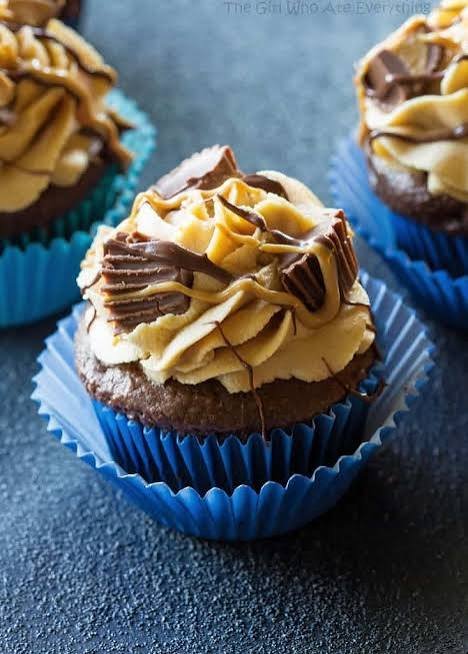

Reeses Peanut Butter Cup Frosting
Ingredients
Method
- Add softened butter to a large mixing bowl and beat for 2 to 3 minutes, until smooth and creamy.
- Add the peanut butter and beat until completely combined and fluffy.
- Mix in the vanilla extract and salt.
- Gradually add the powdered sugar with the mixer on low speed. Increase the speed to medium once the sugar is incorporated
- Add the heavy cream or milk, one tablespoon at a time, until the frosting reaches your desired consistency.
- Beat for another 1 to 2 minutes until light, smooth, and fluffy.
- Taste the frosting and make small adjustments with additional salt, peanut butter, or powdered sugar if needed.
- For extra peanut butter cup flavor, gently fold in finely chopped peanut butter cups.
- Spread or pipe the frosting onto completely cooled cakes, cupcakes, brownies, or cookies
Video
Notes
- Use softened butter rather than melted butter for the best texture.
- Creamy conventional peanut butter gives the most consistent results.
- Add liquid gradually because you may not need the full amount.
- For piping, keep the frosting slightly thicker.
- If the frosting becomes too soft, chill it briefly or mix in additional powdered sugar.
- Store leftover frosting in an airtight container in the refrigerator for up to 5 days.
- Frozen frosting can be stored for up to 3 months. Thaw and whip before using.
Final Thoughts
There is something wonderfully comforting about the combination of chocolate and peanut butter, and this Reeses Peanut Butter Cup Frosting makes it easy to bring that familiar flavor to homemade desserts. The frosting is creamy, smooth, rich, and simple enough for beginner bakers to prepare with confidence.
Spread it over a chocolate cake, pipe it onto cupcakes, or use it between cookies for an easy peanut butter-inspired treat. You can also finish your dessert with chopped peanut butter cups or a little chocolate drizzle for extra texture and a pretty presentation.
The best part is how flexible the recipe can be. Adjust the consistency for spreading or piping, add chocolate for a deeper flavor, or fold in chopped candy when you want a little crunch.
If you make this frosting, try it with your favorite cake or cupcake recipe and share how you used it. A classic peanut butter and chocolate combination is always a welcome addition to the dessert table.