
Gluten Free Chocolate Chip Cookies
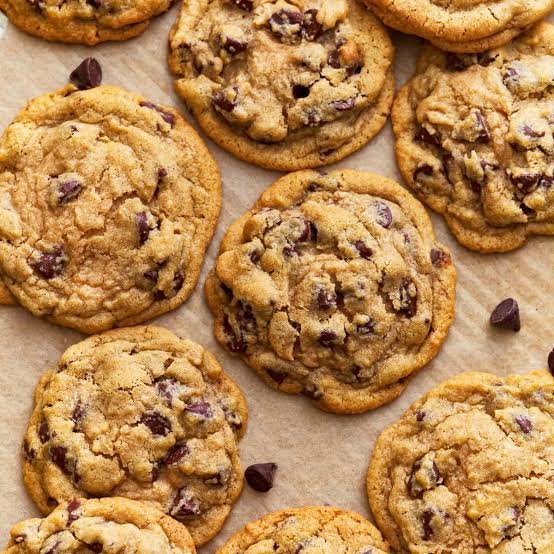
There is something wonderfully comforting about a warm batch of Gluten Free Chocolate Chip Cookies fresh from the oven. These cookies have golden, lightly crisp edges, soft centers, and plenty of melty chocolate in every bite. They are simple enough for a weekday baking project but special enough to share with family and friends.
The best part is that you do not need complicated ingredients or advanced baking skills to make them. A few pantry staples, the right gluten-free flour blend, and a little attention to chilling and baking time are all you need for cookies with a tender texture and rich, buttery flavor.
Whether you follow a gluten-free diet or simply want a delicious homemade cookie, this recipe is an easy addition to your baking rotation. Keep reading for helpful ingredient tips, simple step-by-step instructions, and practical tricks for getting that perfect balance of crisp edges and chewy centers every time.
Why You’ll Love This Recipe
These Gluten Free Chocolate Chip Cookies are designed to be easy, dependable, and satisfying. You get the classic chocolate chip cookie experience without needing a complicated recipe or specialty baking techniques.
- Soft and chewy texture: The centers stay tender while the edges develop a delicate golden crispness.
- Rich chocolate flavor: Chocolate chips melt into the buttery dough, giving every cookie plenty of chocolate in each bite.
- Easy to make: The ingredients are simple, and the mixing process is straightforward for beginner bakers.
- Gluten-free friendly: A good-quality gluten-free flour blend makes it easy to enjoy classic homemade cookies without wheat flour.
- Perfect for everyday baking: They work beautifully for an afternoon treat, lunchbox dessert, holiday cookie tray, or casual family gathering.
- Make-ahead friendly: The cookie dough can be chilled or frozen, making it convenient to bake fresh cookies whenever you want.
- Easy to customize: Add chopped nuts, extra chocolate, or different types of chocolate chips to create your own favorite version.
- Better texture with simple techniques: A few small baking details, such as measuring flour correctly and avoiding overbaking, make a noticeable difference.
Ingredients
Here is everything you need to make a batch of soft, chewy Gluten Free Chocolate Chip Cookies. Most of these ingredients are easy to find, and using them at the right temperature helps create the best texture.
- Gluten-free all-purpose flour: Use a reliable 1-to-1 gluten-free flour blend designed for baking. If the blend does not contain xanthan gum, check the package directions to see whether additional xanthan gum is needed.
- Baking soda: Helps the cookies spread and develop lightly golden, crisp edges.
- Salt: Balances the sweetness and brings out the flavor of the butter and chocolate.
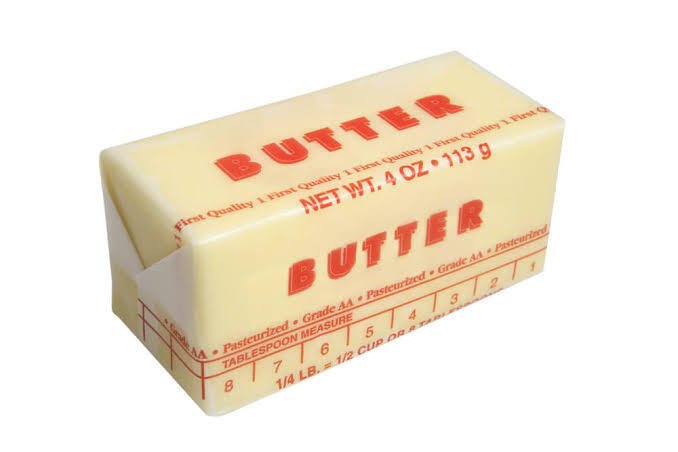
- Unsalted butter: Gives the cookies their rich, buttery taste and tender texture. Softened butter also makes it easier to cream the ingredients properly.
- Brown sugar: Adds moisture and a deeper caramel-like flavor while helping keep the centers soft.
- Granulated sugar: Provides sweetness and contributes to lightly crisp edges.
- Large egg: Helps bind the dough and gives the cookies structure.
- Vanilla extract: Adds warm, subtle flavor that complements the chocolate.
- Gluten-free chocolate chips: Use semi-sweet, milk, dark, or a combination depending on your preference.
- Optional chopped nuts: Walnuts or pecans add a pleasant crunch and extra flavor.
For the most reliable results, measure the gluten-free flour carefully. Too much flour can make the cookies dry and thick, while too little can cause excessive spreading.
Ingredient Notes & Substitutions
A few ingredient choices can make a big difference when baking Gluten Free Chocolate Chip Cookies. Here are some helpful notes and easy substitutions so you can adjust the recipe to suit what you have in your kitchen.
Gluten-Free Flour
Choose a 1-to-1 gluten-free all-purpose flour blend that is made for baking. Blends containing a mix of rice flour, tapioca starch, potato starch, or similar ingredients usually provide a good cookie texture.
Avoid replacing the gluten-free flour with a single flour such as almond flour or coconut flour without adjusting the entire recipe. These flours absorb moisture differently and will not behave the same way.
Butter
Unsalted butter gives you the most control over the salt level and provides a rich, classic cookie flavor. If you only have salted butter, you can use it and slightly reduce the added salt.
For a dairy-free version, use a good-quality dairy-free baking stick that is suitable for cookies. Avoid watery spreads, which can affect the texture.
Brown Sugar
Brown sugar helps keep the cookies moist and chewy while adding a subtle caramel flavor. Light brown sugar works well, while dark brown sugar will create a deeper flavor and slightly darker cookies.
Granulated Sugar
Regular white sugar helps the cookies develop lightly crisp edges. For the best balance of texture, use it alongside brown sugar rather than replacing all of the brown sugar with white sugar.
Egg
A large egg provides structure and helps hold the cookie dough together. If you need an egg-free option, use a suitable commercial egg replacer formulated for baking and follow the package directions.
Vanilla Extract
Pure vanilla extract gives the cookies a warm, rounded flavor. Imitation vanilla can also work if that is what you have available.
Chocolate Chips
Semi-sweet chocolate chips are a classic choice, but there is plenty of room to customize. Dark chocolate chips create a richer cookie, while milk chocolate makes the cookies sweeter and creamier.
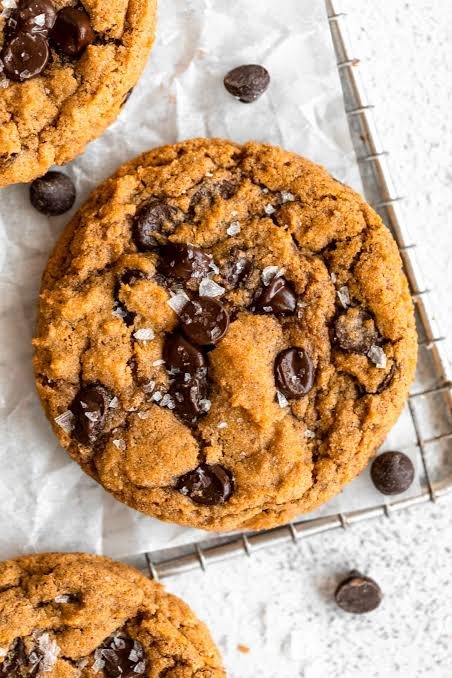
For a more bakery-style appearance, reserve a few chocolate chips and gently press them onto the tops of the cookies immediately after baking.
Salt
Do not skip the salt. Even a small amount helps balance the sweetness and makes the chocolate taste richer.
Optional Nuts
Chopped walnuts or pecans add crunch and contrast nicely with the soft cookie centers. If you prefer nut-free cookies, simply leave them out.
Allergy-Friendly Tips
If you are preparing these cookies for someone with celiac disease or a severe gluten allergy, check every packaged ingredient carefully for gluten-free labeling and possible cross-contact warnings. This includes the flour blend, chocolate chips, butter alternatives, and any optional mix-ins.
Kitchen Tools Needed
You do not need any special equipment to make these Gluten Free Chocolate Chip Cookies. A few basic baking tools will make the process simple and help you get evenly baked cookies.
- Large mixing bowl: Gives you enough room to combine the cookie dough without making a mess.
- Medium bowl: Useful for whisking together the dry ingredients before adding them to the wet mixture.
- Electric hand mixer: Makes creaming the butter and sugars quick and easy. You can also use a stand mixer fitted with the paddle attachment.
- Whisk: Helps evenly combine the gluten-free flour, baking soda, and salt.
- Rubber spatula: Ideal for scraping the sides of the bowl and gently folding in the chocolate chips.
- Measuring cups and spoons: Use accurate measurements for consistent results.
- Cookie scoop: Helps create evenly sized cookies so they bake at the same rate.
- Baking sheets: Use sturdy, flat baking sheets for even heat distribution.
- Parchment paper: Prevents sticking and makes cleanup much easier.
- Wire cooling rack: Allows air to circulate around the cookies so the bottoms do not become soggy as they cool.
Optional but Helpful
A kitchen scale is especially useful when measuring gluten-free flour. Weighing the flour gives you a more precise amount and can help prevent dry, overly thick cookies. If you do not have a scale, use the spoon-and-level method rather than scooping flour directly from the bag.
Step-by-Step Instructions
Making these Gluten Free Chocolate Chip Cookies is straightforward, but a few small details can make a big difference in the final texture. Follow these steps for cookies with golden edges, soft centers, and plenty of melted chocolate.
1. Prepare the Baking Sheets
Preheat your oven to 350°F (175°C). Line one or two baking sheets with parchment paper.
Make sure the oven has fully preheated before baking. An oven that is not hot enough can cause the cookies to spread too much before they begin to set.
2. Combine the Dry Ingredients
In a medium bowl, whisk together the gluten-free flour, baking soda, and salt.
Whisking helps distribute the baking soda and salt evenly throughout the flour, so you do not end up with concentrated pockets of either ingredient.
Set the bowl aside while you prepare the wet ingredients.
3. Cream the Butter and Sugars
Add the softened butter, brown sugar, and granulated sugar to a large mixing bowl.
Using an electric mixer, beat the mixture until it looks creamy and slightly fluffy. This usually takes about 2 to 3 minutes.
The butter should be softened but not melted. Melted butter can make the dough too loose and cause the cookies to spread excessively.
4. Add the Egg and Vanilla
Beat in the egg until fully incorporated. Add the vanilla extract and mix again until the mixture is smooth.
Stop the mixer and scrape down the sides of the bowl with a rubber spatula if needed. This helps ensure that all the ingredients are evenly combined.
5. Add the Dry Ingredients
Gradually add the dry ingredients to the butter mixture.
Mix on low speed just until the flour disappears. Do not overmix the dough. Once there are no visible streaks of flour, stop mixing.
Overworking the dough can make the cookies less tender.
6. Fold in the Chocolate Chips
Add the gluten-free chocolate chips and gently fold them into the dough using a rubber spatula.
Make sure the chocolate chips are spread evenly throughout the dough so every cookie gets a generous amount of chocolate.
If you are adding chopped walnuts or pecans, fold them in at this stage as well.
7. Chill the Dough
Cover the bowl and refrigerate the cookie dough for about 30 minutes.
Chilling firms up the butter and helps control how quickly the cookies spread in the oven. It also gives the flavors a little more time to develop.
If your kitchen is particularly warm, you may need to chill the dough a little longer.
8. Scoop the Cookie Dough
Use a cookie scoop or tablespoon to portion the chilled dough onto the prepared baking sheets.
Leave about 2 inches of space between each portion because the cookies will spread as they bake.
For more evenly shaped cookies, gently roll each portion into a ball before placing it on the baking sheet.
9. Bake Until the Edges Are Golden
Place the baking sheet in the preheated oven and bake for approximately 10 to 12 minutes, depending on the size of your cookies.
Look for lightly golden edges while the centers still appear slightly soft. Do not wait for the centers to look completely firm in the oven. They will continue cooking from the residual heat after you remove them.
For softer cookies, lean toward the shorter baking time. For slightly crispier edges, allow another minute or so.
10. Let the Cookies Rest
Remove the baking sheet from the oven and let the cookies cool on the pan for about 5 minutes.
They will be delicate when they first come out of the oven, so moving them immediately can cause them to break.
After they have set slightly, transfer the cookies to a wire rack to finish cooling.
11. Add Extra Chocolate
For a bakery-style finish, gently press a few additional chocolate chips onto the tops of the warm cookies.
This is optional, but it gives the finished cookies an especially inviting appearance and ensures plenty of visible chocolate on top.
Common Mistakes to Avoid
Using too much flour: This is one of the easiest ways to end up with dry, thick cookies. Spoon the flour into your measuring cup and level it off, or use a kitchen scale.
Skipping the chill time: Warm dough can spread too quickly in the oven. Chilling helps the cookies hold their shape.
Overbaking: Gluten-free cookies can become dry if left in the oven too long. Remove them when the edges are set and lightly golden while the centers still look soft.
Using melted butter: Unless the recipe specifically calls for it, melted butter can change how the cookies spread and affect their texture.
Overmixing: Once the flour is incorporated, stop mixing. Excessive mixing is unnecessary and can produce a heavier cookie.
Crowding the baking sheet: Give each cookie enough room to spread. If necessary, bake the dough in several batches rather than placing everything on one tray.
Expert Tips
A few simple baking techniques can take these Gluten Free Chocolate Chip Cookies from good to consistently soft, chewy, and beautifully golden.
Measure Gluten-Free Flour Carefully
Flour is one of the most important ingredients in cookie dough. Too much can make the cookies dense and dry.
For the most accurate results, use a kitchen scale. If measuring with cups, gently spoon the flour into the measuring cup and level the top with a straight edge. Do not pack the flour down.
Use Properly Softened Butter
The butter should be soft enough to press easily with your finger but should still hold its shape.
If the butter is too cold, it will not cream properly with the sugars. If it is melted, the dough may become overly loose and the cookies can spread too much.
Do Not Overmix the Dough
Once the flour has been incorporated, mix only until no dry streaks remain. Overmixing is unnecessary and can result in a heavier texture.
When adding chocolate chips, fold them in gently with a spatula.
Chill for Better-Shaped Cookies
Refrigerating the dough before baking helps solidify the butter and reduces excessive spreading.
If you want thicker cookies with especially soft centers, you can chill the dough for longer and bake it straight from the refrigerator.
Watch the Baking Time
The cookies should look slightly underdone in the center when they come out of the oven. The edges should be set and lightly golden, while the middle should still look soft.
They will continue to firm up as they cool on the baking sheet.
Use a Cookie Scoop
A cookie scoop makes it much easier to create evenly sized portions. Similar-sized cookies bake at the same rate, so you are less likely to have some cookies overbaked while others are still soft.
Give the Cookies Enough Space
Place the dough portions several inches apart on the baking sheet. Crowding can cause the cookies to merge together and may prevent them from baking evenly.
Rotate the Pan if Needed
If your oven has noticeable hot spots, carefully rotate the baking sheet about halfway through baking. This can help the cookies brown more evenly.
Make the Chocolate Stand Out
For a bakery-style finish, save a small handful of chocolate chips before mixing the dough. Press them gently onto the tops of the cookies as soon as they come out of the oven.
Let Them Cool Before Moving
Freshly baked cookies are fragile. Leave them on the baking sheet for several minutes before transferring them to a cooling rack.
This short resting period allows the centers to set while keeping the cookies tender.
Variations
Once you have the basic Gluten Free Chocolate Chip Cookies recipe down, it is easy to change the flavor and texture with a few simple additions. These variations let you make the cookies fit different tastes and dietary needs.
Double Chocolate Chip Cookies
For an extra chocolatey version, add a little unsweetened cocoa powder to the dry ingredients and increase the chocolate chips. Use dark or semi-sweet chocolate chips for a rich, deep chocolate flavor.
Chocolate Chunk Cookies
Replace some or all of the chocolate chips with chopped gluten-free chocolate bars. The larger pieces create pockets of melted chocolate throughout the cookies and give them a more rustic, bakery-style appearance.
Gluten Free Oatmeal Chocolate Chip Cookies
Add certified gluten-free rolled oats to the dough for extra texture and a heartier bite. The oats pair especially well with brown sugar, chocolate, and a touch of cinnamon.
If you are baking for someone with celiac disease, choose oats specifically labeled gluten-free.
Nutty Chocolate Chip Cookies
Fold in chopped walnuts, pecans, or almonds for a satisfying crunch. Toasting the nuts first can bring out their natural flavor and make the cookies even more aromatic.
Sea Salt Chocolate Chip Cookies
Sprinkle a very small amount of flaky sea salt over the cookies immediately after baking. The salt provides a pleasant contrast to the sweet chocolate and buttery dough.
Peanut Butter Chocolate Chip Cookies
Add creamy peanut butter to the dough for a classic chocolate and peanut butter combination. Use smooth peanut butter for a more uniform texture.
For a nut-free option, sunflower seed butter can be used instead, provided it is suitable for your dietary needs.
Dairy-Free Cookies
Use a dairy-free butter substitute that is formulated for baking, along with dairy-free chocolate chips. Check the labels carefully if you are preparing the cookies for someone with a milk allergy.
Egg-Free Version
A commercial egg replacer can be used when an egg-free cookie is needed. Follow the manufacturer’s instructions for the equivalent of one large egg.
The final texture may vary slightly depending on the egg substitute you choose.
Holiday Chocolate Chip Cookies
Add festive sprinkles, chopped nuts, or a mixture of white and semi-sweet chocolate chips. For a seasonal flavor, a small amount of cinnamon can also work beautifully.
Healthier-Inspired Option
For a slightly more wholesome variation, add gluten-free rolled oats and chopped nuts while keeping the chocolate chips for sweetness. You can also use dark chocolate chips for a stronger cocoa flavor.
Keep in mind that these are still cookies, so ingredient swaps will change the texture and sweetness rather than turning them into a low-calorie dessert.
Storage Instructions
These Gluten Free Chocolate Chip Cookies are best when enjoyed slightly warm, but they also store well when you want to make them ahead.
Room Temperature
Allow the cookies to cool completely before storing them. Place them in an airtight container and keep them at room temperature for up to 4 days.
For the softest texture, place a small piece of parchment paper between layers if you are stacking the cookies.
Refrigerator Storage
You can refrigerate the baked cookies in an airtight container for up to 1 week. Keep in mind that refrigeration can make cookies firmer.
Let them sit at room temperature for a few minutes before serving, or warm them briefly to bring back some of their soft texture.
Freezing Baked Cookies
For longer storage, freeze completely cooled cookies in a freezer-safe container or zip-top freezer bag for up to 3 months.
Place parchment paper between layers to prevent the cookies from sticking together.
When you are ready to enjoy them, let the cookies thaw at room temperature. You can also warm them in the microwave for about 10 to 15 seconds to soften the centers and gently melt the chocolate.
Freezing Cookie Dough
The dough can also be frozen before baking. Scoop the dough into individual portions and place them on a parchment-lined tray.
Freeze until firm, then transfer the portions to a freezer-safe bag or container. Label the container with the date and baking instructions.
When ready to bake, place the frozen dough portions on a lined baking sheet and bake from frozen, adding a few extra minutes to the usual baking time. Watch the edges and centers closely since ovens and cookie sizes can vary.
Reheating Tips
For that fresh-from-the-oven texture, warm an individual cookie in the microwave for about 10 seconds. For several cookies, place them in a low-temperature oven for a few minutes.
Avoid overheating them, as too much heat can make gluten-free cookies dry or firm.
Frequently Asked Questions
Why are my gluten-free chocolate chip cookies dry?
Too much flour and overbaking are the most common causes. Measure the gluten-free flour carefully and remove the cookies from the oven while the centers still look slightly soft.
Can I use any gluten-free flour?
For the most consistent results, use a 1-to-1 gluten-free all-purpose flour blend intended for baking. Single flours such as coconut flour or almond flour cannot usually replace an all-purpose blend without changing the other ingredients.
Do gluten-free cookies need to chill?
Chilling is helpful because it firms the butter and reduces excessive spreading. It also makes the dough easier to scoop and can produce thicker, chewier cookies.
Why did my cookies spread too much?
The butter may have been too warm, the dough may not have been chilled long enough, or the flour may have been under-measured. Make sure the butter is softened rather than melted and chill the dough before baking.
Can I make these cookies dairy-free?
Yes. Replace the butter with a dairy-free baking stick and use chocolate chips that are certified or clearly labeled dairy-free.
Can I freeze gluten-free chocolate chip cookies?
Yes. Baked cookies can be frozen in an airtight, freezer-safe container for up to 3 months. You can also freeze individual portions of unbaked cookie dough and bake them later.
Can I use dark chocolate instead of semi-sweet chocolate chips?
Absolutely. Dark chocolate chips or chopped dark chocolate will give the cookies a deeper, less sweet chocolate flavor.
How do I keep the cookies soft?
Store completely cooled cookies in an airtight container. Avoid overbaking them, since they continue to set as they cool.
Can I add nuts?
Yes. Chopped walnuts or pecans are excellent additions. For the best flavor and crunch, lightly toast the nuts before adding them to the dough.
How can I tell when the cookies are done?
Look for lightly golden, set edges while the centers still appear slightly soft. The cookies should not look completely firm in the middle when they come out of the oven.
Why are my gluten-free cookies crumbly?
Some gluten-free flour blends absorb more moisture than others. Using a reliable baking blend, measuring it accurately, and avoiding overbaking can help create cookies that hold together better.
Can I make the cookie dough ahead of time?
Yes. Keep the covered dough refrigerated until you are ready to scoop and bake it. For longer storage, portion the dough and freeze it in individual pieces.
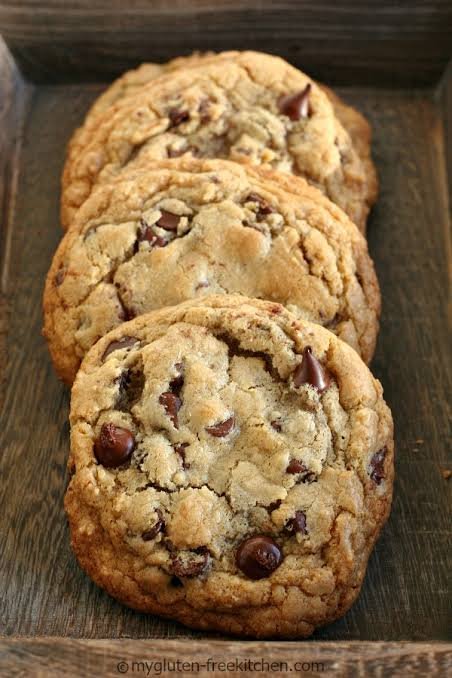

Gluten Free Chocolate Chip Cookies
Ingredients
Method
- Preheat the oven to 350°F (175°C). Line baking sheets with parchment paper.
- In a medium bowl, whisk together the gluten-free flour, baking soda, and salt.
- In a large bowl, beat the softened butter, brown sugar, and granulated sugar until creamy and slightly fluffy, about 2 to 3 minutes.
- Add the egg and vanilla extract. Beat until well combined.
- Gradually add the dry ingredients to the wet mixture. Mix on low speed just until the flour is incorporated.
- Fold in the chocolate chips and optional chopped nuts.
- Cover the dough and refrigerate for about 30 minutes.
- Scoop the chilled dough into portions and place them about 2 inches apart on the prepared baking sheets.
- Bake for 10 to 12 minutes, or until the edges are lightly golden and the centers still look slightly soft.
- Let the cookies cool on the baking sheet for about 5 minutes, then transfer them to a wire rack.
- If desired, press a few extra chocolate chips onto the warm cookies before they finish cooling.
Video
Notes
- Use a gluten-free flour blend designed as a 1-to-1 replacement for regular all-purpose flour.
- Measure the flour carefully to avoid dry cookies.
- Do not overbake. The centers should still look soft when the cookies leave the oven.
- Chilling the dough helps control spreading and improves the cookie texture.
- For dairy-free cookies, use dairy-free baking butter and dairy-free chocolate chips.
- Store cooled cookies in an airtight container at room temperature for up to 4 days.
- Freeze baked cookies for up to 3 months or freeze portioned cookie dough for convenient future baking.
Final Thoughts
These Gluten Free Chocolate Chip Cookies are a simple way to enjoy a classic homemade treat without relying on wheat flour. With crisp golden edges, soft centers, buttery flavor, and plenty of chocolate chips, they have the comforting texture you want from a traditional chocolate chip cookie.
The key is paying attention to a few small details. Measure your gluten-free flour carefully, use softened rather than melted butter, chill the dough before baking, and take the cookies out while the centers are still slightly soft. Those simple steps can make a noticeable difference in the finished cookies.
They are wonderful for an afternoon snack, a family dessert, holiday cookie trays, or whenever you have a craving for something freshly baked. You can also prepare the dough ahead and keep portions in the freezer, making it easy to bake a small batch whenever the mood strikes.
Give this recipe a try and make it your own with dark chocolate, chopped nuts, extra chocolate chips, or a sprinkle of flaky sea salt. Once you find your favorite combination, these cookies may become a regular part of your baking routine.