Cupcake Research Tips For Bakers
Baking beautiful cupcakes is about more than following a recipe. Small details such as how much batter you use, the type of cupcake pan you choose, oven temperature, and even the liner can change the final result. These Cupcake Research Tips For Bakers bring those details together so you can bake cupcakes that are fluffy in the center, evenly risen, lightly golden, and easy to decorate.
Whether you are a beginner learning the basics or an experienced baker trying to improve consistency, understanding what happens inside the oven can make a big difference. A cupcake that looks tall and bakery-style may require a different amount of batter than a smaller, softer cupcake. The pan material can affect browning, while accurate measuring helps every batch bake at the same rate.
In this guide, you will learn practical cupcake baking tips, how to choose the right pan size, how full to fill cupcake liners, and how to avoid common problems such as sinking centers, dry edges, or uneven tops. With a few simple adjustments and a little attention to detail, you can get more consistent results from the recipes you already love.
Why You’ll Love These Cupcake Research Tips
Baking cupcakes can seem simple, but a few small choices can have a big effect on the final texture and appearance. These practical tips help take the guesswork out of baking and make each batch more consistent.
- Easy to follow: The tips are simple enough for beginners and useful for experienced home bakers.
- Better cupcake texture: Learn how ingredient amounts, mixing, and baking conditions affect fluffy, tender cupcakes.
- More even results: Proper batter portions and consistent oven temperatures help cupcakes rise evenly.
- Useful for many recipes: These techniques work with chocolate, vanilla, fruit, spice, and other cupcake flavors.
- Fewer common baking mistakes: Understand why cupcakes sink, overflow, dry out, or develop uneven tops.
- Better-looking cupcakes: Consistent sizing gives you a neat base for frosting, sprinkles, fillings, and other decorations.
- Helpful for recipe testing: If you develop or adjust cupcake recipes, these tips can help you compare results more accurately.
- Less wasted batter: Simple measuring and portioning techniques make it easier to get predictable results from every batch.
The best part is that you do not need expensive equipment or advanced baking skills. Once you understand a few basic cupcake baking principles, it becomes much easier to spot what is working and what needs adjusting.
Ingredients
Before you start baking, gather all your ingredients and measure them carefully. Cupcake recipes are sensitive to small changes, so accurate measurements can make the difference between a light, tender crumb and a dense or dry one.
For a basic batch of homemade cupcakes, you will typically need:
- All-purpose flour: Provides the structure for the cupcakes. Measure it by spooning it into a measuring cup and leveling the top rather than scooping directly from the flour bag.
- Baking powder: Helps the cupcakes rise and creates a lighter texture.
- Salt: Balances the sweetness and brings out the flavor of the other ingredients.
- Unsalted butter: Adds richness, moisture, and a soft buttery flavor. Use softened butter when the recipe calls for creaming.
- Granulated sugar: Sweetens the cupcakes and helps create a tender crumb.
- Eggs: Provide structure, moisture, and richness. Room-temperature eggs usually blend more smoothly into the batter.
- Vanilla extract: Adds a warm, familiar flavor that works especially well in simple cupcake recipes.
- Milk: Adds moisture and helps create a soft, tender crumb. Whole milk gives a richer result, but other varieties can work depending on the recipe.
- Frosting: Choose buttercream, cream cheese frosting, whipped frosting, or another topping that complements the cupcake flavor.
- Decorations: Sprinkles, chopped nuts, chocolate pieces, fruit, or other toppings can be added according to your preference.
Basic Baking Essentials
You will also want fresh ingredients and properly prepared cupcake liners. Check the dates on your baking powder and other leavening ingredients, especially if they have been sitting in your pantry for a while. Fresh leavening agents help cupcakes rise properly and maintain a light, fluffy texture.
For the most reliable results, measure your ingredients before mixing. Having everything ready also makes the baking process smoother and helps prevent accidentally leaving an ingredient out.
Ingredient Notes & Substitutions
The ingredients in a cupcake recipe work together to create its structure, moisture, flavor, and texture. A few simple substitutions can work well, but changing several ingredients at once may affect how the cupcakes rise and bake.
Flour
All-purpose flour is a reliable choice for most homemade cupcakes. For a softer crumb, cake flour can often be used, although the amount may need to be adjusted depending on the recipe. Avoid packing flour into the measuring cup, since too much flour can make cupcakes heavy and dry.
Butter
Unsalted butter gives you better control over the amount of salt in the recipe. If you only have salted butter, you can usually use it and slightly reduce the added salt.
For a dairy-free option, a suitable plant-based baking butter can often replace regular butter. Choose one designed for baking rather than a very soft spread.
Sugar
Granulated sugar works well for classic vanilla and chocolate cupcakes. Depending on the recipe, some or all of the sugar may be replaced with light brown sugar for a deeper flavor and slightly moister texture.
Keep in mind that sugar does more than sweeten cupcakes. It also affects browning, moisture, tenderness, and overall structure.
Eggs
Large eggs are commonly used in cupcake recipes. If you need an egg-free version, commercial egg replacers can work, but results vary between brands and recipes.
For the most consistent texture, bring refrigerated eggs to room temperature before mixing when the recipe calls for creamed butter.
Milk
Whole milk produces a rich, tender crumb, but you can often substitute 2% milk. Plant-based milk such as unsweetened oat or soy milk can also work in many recipes.
Avoid using a strongly flavored milk unless you want that flavor to become part of the finished cupcake.
Vanilla
Pure vanilla extract provides a warm, rounded flavor, while imitation vanilla can be used when you are baking on a budget. In chocolate cupcakes, a small amount of vanilla helps deepen the overall flavor even though chocolate remains the main focus.
Baking Powder
Fresh baking powder is important for proper rising. If cupcakes consistently come out flat or dense despite following the recipe correctly, check whether your leavening agent is still active.
Frosting
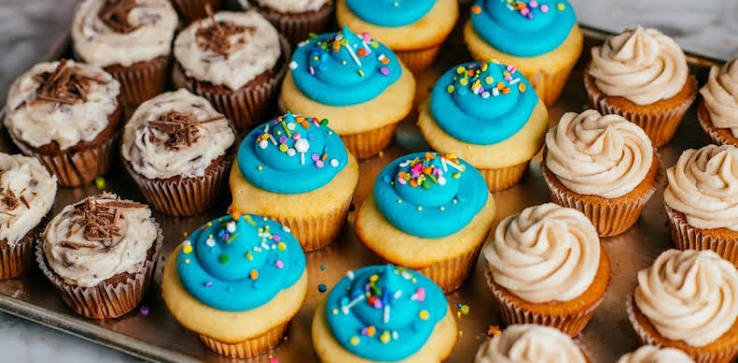
Buttercream is an easy choice for beginners because it is simple to pipe and holds its shape well. Cream cheese frosting works beautifully with carrot, spice, and red velvet cupcakes, while whipped toppings provide a lighter finish.
Allergy-Friendly Swaps
For dairy-free cupcakes, use plant-based butter and an appropriate dairy-free milk. For gluten-free baking, use a reliable cup-for-cup gluten-free flour blend formulated for cakes.
When baking for someone with a serious allergy, check every ingredient label and prevent cross-contact with shared utensils, pans, and preparation surfaces.
A Helpful Baking Rule
When testing a cupcake recipe, change one ingredient or technique at a time. This makes it much easier to understand why the texture, rise, color, or flavor changed. Keeping brief notes about measurements, oven temperature, baking time, and results can also make recipe testing far more useful.
Kitchen Tools Needed
You do not need a professional bakery setup to make consistently good cupcakes. A few dependable kitchen tools are enough for most cupcake recipes and recipe testing.
Essential Tools
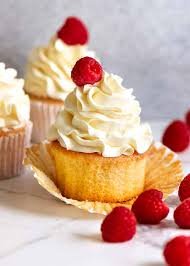
- 12-cup muffin pan: A standard cupcake pan is the most useful starting point for home bakers. Choose a sturdy pan that sits flat and has evenly sized cavities.
- Paper cupcake liners: Liners make cupcakes easier to remove and help keep the pan cleaner.
- Mixing bowls: Use at least one medium and one large bowl so dry and wet ingredients can be prepared separately when needed.
- Measuring cups and spoons: Accurate measurements are especially important when testing or comparing cupcake recipes.
- Kitchen scale: A digital scale is one of the best tools for consistent baking because weight measurements are more precise than volume measurements.
- Whisk: Useful for combining dry ingredients and breaking up small lumps.
- Hand mixer or stand mixer: Helpful for creaming butter and sugar and creating a smooth, well-aerated batter.
- Rubber spatula: Ideal for scraping the bowl and gently folding ingredients without overmixing.
- Cookie scoop: A scoop makes it easier to divide batter evenly between cupcake liners.
- Wire cooling rack: Allows air to circulate around warm cupcakes so they cool evenly without becoming soggy underneath.
Optional Helpful Tools
A large cookie scoop is particularly useful when you want every cupcake to be nearly the same size. Consistent portions help the cupcakes finish baking at roughly the same time.
An oven thermometer is another worthwhile investment. Many home ovens run hotter or cooler than the temperature shown on the display. If cupcakes are repeatedly underbaked, overbrowned, or unevenly risen, checking the actual oven temperature can help identify the problem.
A piping bag and decorating tip are useful if you plan to frost the cupcakes neatly. For simple decorating, a spoon or small offset spatula works just fine.
Tool Tip for Recipe Testing
When researching or developing cupcake recipes, use the same pan, liners, measuring method, and oven setup whenever possible. Keeping these variables consistent makes it easier to tell whether a change in the recipe actually improved the cupcakes.
Step-by-Step Instructions
Once your ingredients and tools are ready, the key is to keep your measurements consistent and pay attention to the batter at each stage. These steps will help you get evenly baked cupcakes with a soft, tender crumb.
1. Prepare the Oven and Pan
Preheat your oven to the temperature listed in your cupcake recipe. Allow it to fully preheat before the pan goes inside.
Line a standard muffin pan with paper cupcake liners. If you are testing different cupcake recipes, use the same pan and liner style for each batch so your results are easier to compare.
2. Measure the Ingredients Carefully
Measure every ingredient before you begin mixing. For the most accurate results, use a kitchen scale for flour, sugar, and other ingredients whenever possible.
If you are measuring flour by volume, spoon it lightly into the measuring cup and level the top with a straight edge. Do not scoop flour directly from the container, since this can pack in extra flour and produce a heavier cupcake.
3. Combine the Dry Ingredients
Add the flour, baking powder, salt, and any other dry ingredients called for in your recipe to a bowl.
Whisk them together until evenly distributed. This helps prevent pockets of baking powder or salt from ending up in individual cupcakes.
4. Cream the Butter and Sugar
If your recipe uses the creaming method, beat softened butter and sugar together until the mixture becomes lighter in color and looks fluffy.
This step incorporates air into the mixture, which can contribute to a lighter cupcake texture. Avoid using cold butter because it will not cream properly.
At the same time, do not use butter that is melted unless the recipe specifically calls for melted butter.
5. Add the Eggs and Flavorings
Add the eggs according to the recipe, mixing well after each addition when instructed. Scrape down the sides of the bowl with a rubber spatula if needed.
Add vanilla extract or other flavorings and mix until incorporated.
If the mixture looks slightly uneven after adding the eggs, do not panic. The batter often comes together once the dry ingredients and liquid are added.
6. Add the Dry Ingredients and Milk
Add the dry ingredients and milk in the order specified by your recipe. Mix only until the ingredients are combined.
This is one of the most important steps for cupcake texture. Overmixing can develop too much gluten and leave the cupcakes dense or chewy instead of soft and tender.
Stop mixing as soon as you no longer see obvious streaks of flour.
7. Portion the Batter Evenly
Divide the batter between the prepared cupcake liners. A cookie scoop makes this much easier and helps keep the portions consistent.
Avoid filling the liners all the way to the top. Most standard cupcake recipes work well when the liners are filled somewhere around two-thirds full, although the exact amount depends on the recipe.
Consistent batter portions also help all the cupcakes finish baking at approximately the same time.
8. Bake Until the Cupcakes Are Set
Place the pan on the appropriate oven rack and bake according to the recipe.
Look for visual signs of doneness rather than relying only on the timer. The tops should generally look set, and a gentle touch should leave the surface springing back rather than sinking.
A toothpick inserted into the center should come out clean or with a few moist crumbs, depending on the type of cupcake.
Avoid opening the oven repeatedly during baking. Frequent temperature changes can interfere with proper rising.
9. Check for Common Baking Problems
If the cupcakes rise dramatically and then collapse, the batter may have been overmixed, the oven temperature may be incorrect, or the cupcakes may have been underbaked.
If the cupcakes develop very dark edges before the centers are finished, your oven may be running too hot, or the pan may be conducting heat more aggressively than expected.
If the cupcakes remain pale and dense, check the oven temperature and make sure your baking powder is fresh.
These observations are especially useful when conducting cupcake recipe research because they can help you identify which part of the process needs adjustment.
10. Cool the Cupcakes Properly
Remove the pan from the oven when the cupcakes are finished baking. Let them rest in the pan for a few minutes, then carefully transfer them to a wire cooling rack.
Allow the cupcakes to cool completely before adding frosting.
Frosting warm cupcakes can cause the topping to soften, slide, or melt. A completely cooled cupcake also gives you a cleaner surface for piping and decorating.
11. Frost and Decorate
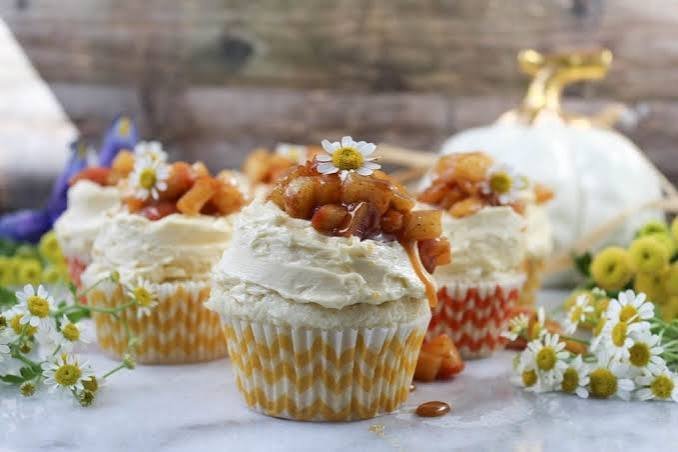
Once the cupcakes are cool, add your preferred frosting. Use a piping bag for swirls or a small spatula for a simple homemade finish.
Keep the decoration proportional to the cupcake. A light, fluffy cupcake can easily become difficult to eat if it is covered with an excessive amount of heavy frosting.
For recipe testing, consider tasting one cupcake plain before decorating the entire batch. This makes it easier to evaluate the crumb, moisture, sweetness, and overall flavor of the cupcake itself.
Common Mistakes to Avoid
- Measuring flour incorrectly and accidentally adding too much.
- Using cold butter when the recipe calls for softened butter.
- Overmixing the batter after adding the flour.
- Filling cupcake liners unevenly.
- Guessing the oven temperature instead of checking it when baking results seem inconsistent.
- Opening the oven door repeatedly while cupcakes are rising.
- Frosting cupcakes before they have cooled completely.
- Changing several ingredients at once when testing a recipe.
The goal is not simply to follow a timer. Pay attention to the batter, the way the cupcakes rise, their color, and their texture. Those visual and sensory clues can tell you much more about a cupcake recipe than the baking time alone.
Expert Tips
Once you understand the basics, a few professional baking habits can make your cupcakes more consistent, tender, and attractive. These small details are especially helpful when you are testing recipes or trying to improve a batch that did not turn out as expected.
Use a Kitchen Scale
For reliable cupcake research, weighing ingredients is one of the easiest ways to improve consistency. Flour can vary significantly when measured by volume because it can become compacted in the measuring cup.
If a recipe provides weight measurements, use them. Record your measurements when testing a recipe so you can repeat successful results.
Bring Ingredients to the Right Temperature
Ingredients such as butter, eggs, and milk often blend more smoothly when they are at the temperature specified in the recipe.
Softened butter should be pliable but not melted. Properly softened butter creams more effectively with sugar, helping create a lighter batter.
Do Not Overmix the Batter
Once flour is added, mix gently and only until the ingredients are combined. A few tiny streaks can usually be finished with a spatula rather than continued aggressive mixing.
Overmixed cupcake batter can produce a tighter, heavier crumb.
Fill Every Cupcake Liner Consistently
Even portions are important for both appearance and baking time. A cookie scoop can help you divide the batter more accurately.
If one liner contains significantly more batter than another, the larger cupcake may need more time to bake while the smaller one becomes dry.
Check Your Oven Temperature
Your oven’s displayed temperature is not always its actual temperature. An inexpensive oven thermometer can reveal whether your oven runs hotter or cooler than expected.
If cupcakes repeatedly brown too quickly, rise unevenly, or take much longer to bake than the recipe suggests, temperature accuracy is worth checking.
Use the Same Pan When Comparing Recipes
When conducting cupcake research, try not to compare results from different pans. Dark metal, light metal, glass, and silicone can transfer heat differently.
For a fair comparison, keep the pan, liners, oven rack, and baking temperature consistent whenever possible.
Let Cupcakes Cool Before Judging Texture
A cupcake can feel softer or more delicate while it is still warm. Allow it to cool completely before evaluating the crumb.
When testing multiple versions, compare them at the same stage of cooling. This gives you a more accurate idea of which recipe produces the best texture.
Taste Before Adding Frosting
Frosting can easily mask subtle differences between cupcake recipes. If you are testing a new formula, taste a plain cupcake first.
Pay attention to the crumb, moisture, sweetness, tenderness, and flavor. Then add frosting and evaluate how the cupcake and topping work together.
Keep Baking Notes
If you are experimenting with cupcake recipes, write down the details of each batch. Record the flour amount, mixing method, oven temperature, baking time, pan type, and any substitutions.
Also note what you observed. A simple record such as “soft center but dry edges” can help you decide what to change in the next test.
Change One Variable at a Time
If you change the flour, oven temperature, sugar, and mixing time all at once, it becomes difficult to know which adjustment caused the improvement.
For more useful cupcake research, make one meaningful change per test whenever possible. This creates clearer comparisons and helps you understand how each ingredient or technique affects the final cupcake.
Give the Cupcakes Room to Rise
Avoid placing too much batter in each liner simply because you want taller cupcakes. Excess batter can cause overflowing, uneven centers, and underbaked areas.
Follow the recipe’s recommended portion size and use the same amount for every cupcake in the batch.
Do Not Rush the Frosting
A completely cooled cupcake provides the best surface for decorating. If the cupcake is still warm, buttercream can soften and lose its shape.
For cleaner frosting, allow the cupcakes to cool fully before piping, spreading, or adding decorative toppings.
Variations
Once you have a reliable cupcake method, it is easy to experiment with different flavors, textures, and toppings. The key is to make thoughtful changes so the cupcakes still have enough structure to rise properly and stay tender.
Classic Vanilla Cupcakes
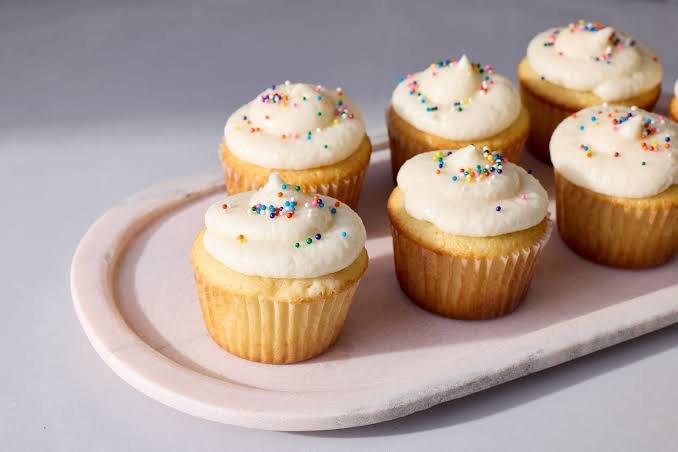
Keep things simple with a vanilla-based cupcake and a smooth buttercream frosting. Add a little extra vanilla for a more pronounced flavor, or fold in finely grated citrus zest for a fresh twist.
Chocolate Cupcakes
Replace part of the flour with unsweetened cocoa powder to create a rich chocolate version. Because cocoa can absorb moisture, follow a tested chocolate cupcake formula rather than making a large substitution without adjusting the liquid.
Chocolate frosting, vanilla buttercream, or a simple dusting of powdered sugar all work well on top.
Lemon Cupcakes
Add fresh lemon zest to vanilla cupcake batter for a bright citrus flavor. A small amount of fresh lemon juice can also be used when the recipe is designed to accommodate additional liquid.
Finish with lemon buttercream or a light cream cheese frosting.
Fruit-Filled Cupcakes
Fresh or frozen berries can add natural sweetness and moisture. Blueberries, raspberries, and finely chopped strawberries are good options.
Keep juicy additions moderate because too much fruit can make the centers wet and affect the structure of the cupcakes.
Spice Cupcakes
For a cozy variation, add cinnamon, nutmeg, ginger, or a small amount of ground cloves to a vanilla or brown sugar cupcake base.
These flavors pair especially well with cream cheese frosting and chopped pecans or walnuts.
Healthier-Inspired Cupcakes
For a lighter option, you can experiment with ingredients such as unsweetened applesauce, mashed banana, whole-grain flour, or reduced sugar. Keep in mind that these substitutions can change moisture, sweetness, density, and browning.
Instead of changing several ingredients at once, test one adjustment at a time so you can see how it affects the finished cupcake.
Dairy-Free Cupcakes
Use dairy-free baking butter and an unsweetened plant-based milk suitable for baking. Oat and soy milk can work well in many cupcake recipes.
Choose a dairy-free frosting to keep the entire dessert suitable for a dairy-free diet.
Gluten-Free Cupcakes
A quality gluten-free flour blend designed for baking can replace all-purpose flour in some recipes. Look for a blend intended for cakes and cupcakes, especially one that contains a suitable binder.
Because gluten-free flour blends vary, results may differ between brands. Follow the manufacturer’s substitution guidance when available.
Filled Cupcakes
For a bakery-style treat, remove a small portion from the center of each cooled cupcake and fill it with jam, chocolate ganache, lemon curd, caramel, or pastry cream.
Replace the small piece of cake before frosting so the filling stays tucked inside.
Mini Cupcakes
Turn a standard cupcake recipe into bite-sized treats by using a mini muffin pan. Reduce the baking time and begin checking for doneness early because smaller cupcakes cook much faster.
Mini cupcakes are particularly useful for parties, dessert tables, and recipe testing when you want several flavors in one batch.
Fun Topping Ideas
Customize cupcakes with simple toppings such as:
- Toasted nuts
- Chocolate shavings
- Coconut
- Fresh berries
- Citrus zest
- Crushed cookies
- Sprinkles
- Caramel drizzle
- Small pieces of chocolate
When experimenting, keep the cupcake itself as the foundation. A balanced combination of cake, frosting, and toppings usually produces a better result than adding too many competing flavors.
Storage Instructions
Proper storage helps cupcakes stay soft and keeps the frosting in good condition. The best method depends on whether the cupcakes are plain, frosted, filled, or topped with ingredients that need refrigeration.
Room Temperature Storage
Plain cupcakes and many buttercream-frosted cupcakes can usually be kept at room temperature for about 1 to 2 days when stored properly.
Place them in an airtight container and keep the container somewhere cool and dry, away from direct sunlight, a warm oven, or other sources of heat.
Do not leave cupcakes uncovered for long periods. Exposure to air can cause the crumb to dry out and make the frosting develop a less pleasant texture.
Refrigerator Storage
Cupcakes with cream cheese frosting, whipped cream, custard, fresh fruit fillings, or other perishable toppings should generally be refrigerated.
Store them in a tightly sealed container to protect them from refrigerator odors and moisture loss. Before serving, allow refrigerated cupcakes to sit at room temperature for a short time so the cake and frosting can soften.
Freezer Storage
Cupcakes can be frozen successfully, especially when you want to prepare them ahead of time.
For the best texture, freeze unfrosted cupcakes whenever possible. Let them cool completely, then wrap each cupcake securely in plastic wrap or place them in a freezer-safe airtight container.
Label the container with the date and use the cupcakes within about 2 to 3 months for the best quality.
How to Thaw Cupcakes
Move frozen cupcakes from the freezer to the refrigerator or let them thaw at room temperature while still covered.
Keeping them covered as they thaw helps prevent condensation from collecting directly on the cake.
Once completely thawed, frost and decorate them as desired.
Can You Freeze Frosted Cupcakes?
Yes. Many buttercream-frosted cupcakes freeze well. Place the decorated cupcakes on a tray and freeze them uncovered until the frosting becomes firm. Then transfer them to an airtight freezer-safe container.
This initial freezing step helps protect the frosting from getting smeared against the container.
Allow frozen frosted cupcakes to thaw while covered, then bring them to a comfortable serving temperature before eating.
A Helpful Storage Tip
If you are testing different cupcake recipes, store each batch under the same conditions and compare them at the same age. A cupcake that tastes excellent immediately after baking may have a different texture after one or two days.
Keeping storage conditions consistent can provide useful information about moisture retention, frosting stability, and overall shelf life.
Frequently Asked Questions
How much batter should I put in each cupcake liner?
For most standard cupcakes, filling the liner about two-thirds full is a useful starting point. The ideal amount depends on the specific recipe, so follow its instructions when available. Consistent portions help every cupcake bake evenly.
Why do my cupcakes sink in the middle?
Sinking can happen for several reasons, including underbaking, too much leavening, overmixing, or opening the oven too early. An inaccurate oven temperature can also affect how cupcakes rise and set.
Why are my cupcakes dry?
Too much flour, overbaking, or insufficient liquid can lead to dry cupcakes. Measuring flour accurately and checking the cupcakes before the full baking time is complete can help prevent this problem.
Why do my cupcakes have a dense texture?
Dense cupcakes may result from overmixing, incorrect ingredient measurements, cold ingredients when the recipe requires room-temperature ingredients, or expired leavening agents.
Should cupcake ingredients be at room temperature?
It depends on the recipe, but ingredients such as butter and eggs are often used at room temperature because they blend more evenly. Always follow the temperature instructions provided by the specific recipe.
How can I make cupcakes rise evenly?
Use accurate measurements, avoid overmixing, portion the batter evenly, and make sure your oven is properly preheated. An oven thermometer can be helpful if your cupcakes consistently rise unevenly.
Why do my cupcake tops overflow?
The liners may have been overfilled, or the recipe may produce more batter than expected for your pan size. Try reducing the amount of batter in each liner and keeping portions consistent.
Why are my cupcakes browning too quickly?
Your oven may be running hotter than its displayed temperature, or the pan may be transferring heat quickly. Check the oven temperature with a thermometer and consider the type and color of your baking pan.
Can I use a different cupcake pan?
You can, but changing pan size or material can affect baking time and browning. When researching a recipe, keep the pan consistent if you want reliable comparisons between batches.
How do I know when cupcakes are fully baked?
The tops should look set and generally spring back gently when touched. A toothpick inserted into the center should come out clean or with a few moist crumbs, depending on the recipe.
Should I cool cupcakes before frosting them?
Yes. Allow cupcakes to cool completely before frosting. Applying frosting while the cake is warm can cause buttercream and other toppings to soften or slide.
Is a kitchen scale really necessary for cupcakes?
It is not essential, but it is highly useful. A kitchen scale provides more accurate and repeatable measurements, especially for flour, which can vary considerably when measured by volume.
How can I compare two cupcake recipes fairly?
Use the same pan, liners, ingredient measurement method, oven rack, baking temperature, and portion size whenever possible. Change only one major variable at a time and record the results.
What should I look for when researching a cupcake recipe?
Pay attention to ingredient ratios, mixing methods, pan size, batter quantity, oven temperature, baking time, and storage instructions. Reviews and repeated test results can also help you identify whether a recipe produces consistent results.
Cupcake Research Tips For Bakers
Ingredients
Method
- Preheat the oven according to your cupcake recipe and line a 12-cup muffin pan with paper liners
- Measure the flour, baking powder, and salt carefully, preferably using a kitchen scale
- Whisk the dry ingredients together until evenly combined.
- Beat the softened butter and sugar until light and fluffy.
- Add the eggs one at a time, mixing as directed by the recipe. Add the vanilla.
- Add the dry ingredients and milk according to the recipe, mixing only until the batter is combined.
- Divide the batter evenly among the cupcake liners, filling each about two-thirds full.
- Bake until the tops are set and a toothpick inserted into the center comes out clean or with a few moist crumbs.
- Cool the cupcakes briefly in the pan, then transfer them to a wire rack.
- Cool completely before frosting or decorating.
Video
Notes
- Weigh flour when possible for more consistent results.
- Keep batter portions equal so the cupcakes bake at the same rate.
- Avoid overmixing once the flour has been added.
- Check oven temperature if your cupcakes repeatedly bake unevenly.
- Use the same pan and baking conditions when comparing cupcake recipes.
- Record ingredient amounts, baking time, texture, and appearance during recipe testing.
- Allow cupcakes to cool completely before evaluating the crumb or adding frosting.
Final Thoughts
Great cupcakes come from more than simply following a timer. Understanding how ingredients, measurements, mixing, pan choice, portion size, and oven temperature work together gives you much more control over the final result.
These Cupcake Research Tips For Bakers are especially useful when you are testing a new recipe or trying to troubleshoot a batch that did not turn out as expected. Instead of changing everything at once, make one adjustment, record what happened, and use the results to guide your next bake.
Most importantly, pay attention to the cupcakes as they bake. Their rise, color, texture, aroma, and crumb can tell you a great deal. With accurate measurements and a little careful observation, you can turn small baking experiments into reliable recipes you will want to make again.
Whether you are baking a simple vanilla batch for a family dessert or developing your own signature cupcake recipe, these techniques can help you work with greater confidence and consistency.
Now it is time to put your research to work. Choose a favorite cupcake recipe, make a careful batch, take notes, and see which small changes give you the texture and appearance you enjoy most.