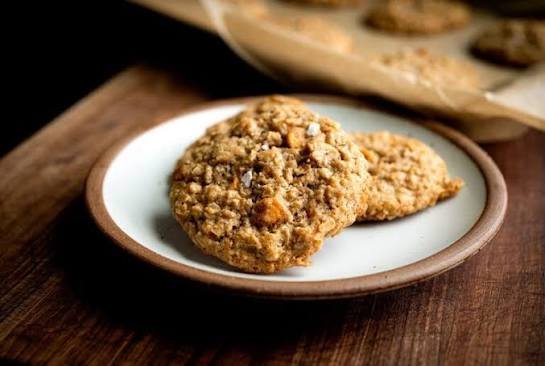
Salted Caramel Butterscotch Oatmeal Cookie Recipe
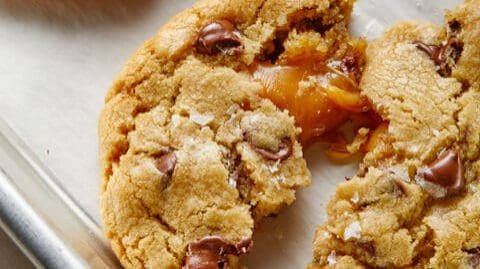
There is something wonderfully comforting about a warm oatmeal cookie, especially when buttery butterscotch and rich salted caramel are part of the mix. This Salted Caramel Butterscotch Oatmeal Cookie Recipe combines chewy rolled oats, sweet butterscotch chips, and ribbons of caramel for a cookie that is crisp around the edges and soft in the center.
The balance of sweet and salty makes these cookies especially satisfying. Each bite has a little chew from the oats, a rich caramel flavor, and creamy pockets of melted butterscotch. A light sprinkle of flaky sea salt on top brings everything together without making the cookies taste overly sweet.
These cookies are also simple enough for a weekend baking project but special enough for holiday cookie trays, family gatherings, or an afternoon treat with coffee. The dough benefits from a short chill in the refrigerator, which helps the cookies bake up thick and chewy while giving the flavors time to settle.
If you love classic oatmeal cookies but want something a little more indulgent, this recipe is a delicious place to start. With straightforward ingredients and a few simple baking tips, you can make bakery-style salted caramel oatmeal cookies right in your own kitchen.
Why You’ll Love This Recipe
- Soft and chewy texture: Rolled oats give these cookies a hearty chew, while the centers stay tender and soft after baking.
- Sweet and salty flavor: Butterscotch and caramel bring rich sweetness, while a touch of sea salt keeps the flavor balanced.
- Easy ingredients: Most of what you need is likely already in your pantry, making this an approachable cookie recipe for beginner bakers.
- Rich caramel flavor: Caramel adds a buttery, slightly toasted sweetness that pairs beautifully with hearty oatmeal cookies.
- Butterscotch in every bite: Butterscotch chips melt into little pockets of creamy, brown-sugar flavor throughout the cookies.
- Perfect for make-ahead baking: The cookie dough can be chilled before baking, making it easy to prepare ahead when you are expecting guests.
- Great for any occasion: Serve them with coffee after dinner, add them to a holiday cookie platter, or keep a batch ready for an afternoon treat.
- A delicious twist on oatmeal cookies: This recipe keeps the familiar comfort of a classic oatmeal cookie while adding salted caramel and butterscotch for a richer finish.
Ingredients
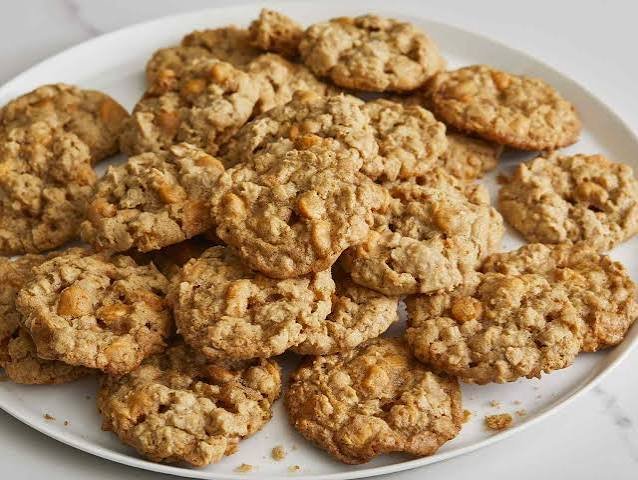
This recipe uses simple baking staples along with a few special ingredients that give the cookies their rich caramel and butterscotch flavor. For the best texture, use old-fashioned rolled oats rather than quick or steel-cut oats.
For the Cookie Dough
- 1 cup unsalted butter, softened
- 1 cup packed light brown sugar
- 3/4 cup granulated sugar
- 2 large eggs
- 2 teaspoons pure vanilla extract
- 2 1/2 cups all-purpose flour
- 2 1/4 cups old-fashioned rolled oats
- 1 teaspoon baking soda
- 1 teaspoon fine salt
- 1 cup butterscotch chips
For the Salted Caramel
- 20 soft caramel candies, unwrapped
- 2 tablespoons milk
- 1 teaspoon fine salt
For Finishing
- Flaky sea salt, for sprinkling
These ingredients create the signature combination of chewy oats, buttery butterscotch, and soft salted caramel. The flaky salt added after baking provides a delicate salty contrast that helps balance the sweetness.
Ingredient Notes & Substitutions
A few ingredient choices make a noticeable difference in the texture and flavor of these salted caramel butterscotch oatmeal cookies. Here are some useful tips and easy substitutions.
Butter
Use unsalted butter so you can control the amount of salt in the dough. Let it soften at room temperature before mixing. Avoid melting the butter unless the recipe specifically calls for it, since melted butter can make the cookies spread too much.
If you only have salted butter, reduce the added salt slightly.
Brown Sugar
Light brown sugar adds moisture and gives the cookies their soft, chewy texture. Dark brown sugar can also be used if you prefer a deeper molasses flavor and a slightly richer cookie.
Granulated Sugar
Regular white sugar helps the cookies develop lightly crisp edges while balancing the moisture from the brown sugar.
Rolled Oats
Old-fashioned rolled oats are the best choice for a hearty, chewy texture. Quick oats can work in a pinch, but they create a softer and less textured cookie.
Avoid steel-cut oats because they are too firm and require a different cooking method.
All-Purpose Flour
All-purpose flour provides a reliable structure without making the cookies too dense. For the most consistent results, measure flour by spooning it into a measuring cup and leveling the top rather than scooping directly from the bag.
Butterscotch Chips
Butterscotch chips add creamy, buttery sweetness throughout the cookies. You can replace some or all of them with white chocolate chips, milk chocolate chips, or chopped toasted pecans for a different flavor.
Caramel Candies
Soft caramel candies are convenient for creating a smooth caramel layer. Make sure they are soft enough to melt easily.
For a shortcut, you can use a thick prepared caramel sauce. Choose one that is fairly dense rather than thin and runny so it does not make the cookies difficult to handle.
Vanilla Extract
Pure vanilla extract adds warmth and helps round out the brown sugar, caramel, and butterscotch flavors. Vanilla bean paste can be used for a slightly more pronounced vanilla flavor.
Flaky Sea Salt
Flaky sea salt is ideal for finishing these cookies because it adds small pops of salt without making the entire cookie taste salty. If you do not have flaky salt, use a very small amount of regular fine salt.
Dairy-Free Option
For a dairy-free version, use a reliable plant-based butter designed for baking and dairy-free butterscotch or caramel alternatives. Check the labels carefully because many traditional caramel and butterscotch products contain milk.
Gluten-Free Option
Use a 1-to-1 gluten-free all-purpose flour blend and certified gluten-free rolled oats. Check every packaged ingredient, especially the caramel and butterscotch chips, to make sure they meet your dietary needs.
Nut-Free Option
The basic recipe can be made nut-free as written. If you add pecans, walnuts, or another nut for extra crunch, leave them out when serving someone with a nut allergy.
Kitchen Tools Needed
You do not need any special baking equipment to make these salted caramel butterscotch oatmeal cookies. A few basic kitchen tools will make the process easier and help you get evenly baked cookies.
- Large mixing bowl: Gives you plenty of room to combine the wet and dry ingredients without spilling.
- Electric hand mixer or stand mixer: Makes creaming the butter and sugars quick and easy. You can also mix by hand with a sturdy wooden spoon, though it will take a little more effort.
- Measuring cups and spoons: Accurate measurements are important for consistent cookie texture.
- Rubber spatula: Useful for scraping the sides of the bowl and gently folding in the oats and butterscotch chips.
- Cookie scoop: Helps create evenly sized portions so the cookies bake at the same rate.
- Baking sheets: Use sturdy, flat baking sheets for even heat distribution.
- Parchment paper or silicone baking mats: Prevent the cookies from sticking and make cleanup easier.
- Small saucepan or microwave-safe bowl: Needed for gently melting the caramel with milk.
- Wire cooling rack: Allows air to circulate around the cookies so the bottoms do not become soggy as they cool.
Optional Helpful Tools
A kitchen scale is useful if you want the most precise measurements, especially for flour. An oven thermometer can also be helpful because many home ovens run slightly hotter or cooler than the displayed temperature.
Step-by-Step Instructions
1. Prepare the Baking Sheets
Preheat your oven to 350°F (175°C). Line two baking sheets with parchment paper or silicone baking mats.
Keeping the pans ready before mixing the dough makes the baking process smoother and helps you move quickly once the cookies are portioned.
2. Cream the Butter and Sugars
Add the softened butter, brown sugar, and granulated sugar to a large mixing bowl. Beat until the mixture looks light, creamy, and slightly fluffy.
This step helps incorporate air into the dough. Make sure the butter is softened rather than melted. If it is too warm, the finished cookies may spread more than expected.
3. Add the Eggs and Vanilla
Beat in the eggs one at a time, mixing well after each addition. Add the vanilla extract and mix until everything is smooth and evenly combined.
Scrape down the sides of the bowl with a spatula so there are no pockets of unmixed butter or sugar.
4. Combine the Dry Ingredients
In a separate bowl, whisk together the all-purpose flour, baking soda, and salt.
Add the dry mixture gradually to the wet ingredients. Mix just until the flour disappears. Overmixing at this stage can make the cookies tougher instead of pleasantly chewy.
5. Add the Oats and Butterscotch Chips
Fold in the old-fashioned rolled oats and butterscotch chips using a rubber spatula or wooden spoon.
The finished dough should be thick and scoopable, with the oats and chips evenly distributed throughout.
6. Prepare the Caramel
Place the unwrapped caramel candies and milk in a small saucepan over low heat. Stir gently until the caramels melt into a smooth, pourable mixture.
Remove the pan from the heat and stir in the salt. Let the caramel cool slightly before using it.
If the caramel becomes too thick to work with, warm it gently for a few seconds. Avoid overheating it, since very hot caramel can become difficult to handle.
7. Portion the Cookie Dough
Use a cookie scoop to portion the dough onto the prepared baking sheets. Leave about 2 inches of space between each portion to allow room for spreading.
For thicker cookies, keep the dough portions tall rather than flattening them heavily.
8. Add the Salted Caramel
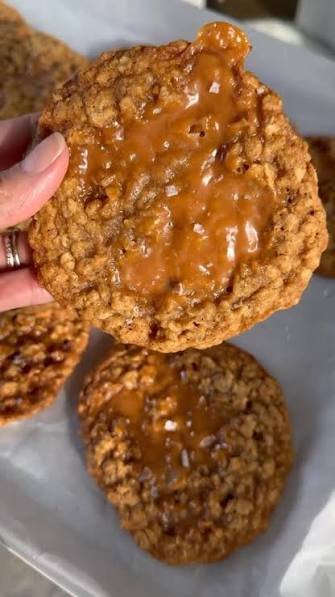
Spoon a small amount of the salted caramel over each portion of cookie dough. You can lightly swirl it into the surface with the tip of a spoon or leave small pockets of caramel for a more distinct caramel layer.
Do not add too much caramel. Excess caramel can spread onto the baking sheet and make the cookies difficult to remove.
9. Bake the Cookies
Place the baking sheet in the preheated oven and bake for approximately 10 to 12 minutes, or until the edges are lightly golden and the centers still look slightly soft.
The cookies may appear underbaked when they first come out. That is exactly what you want. They will continue cooking from the residual heat of the baking sheet as they cool.
Avoid waiting for the entire surface to become deeply golden, which can result in a dry cookie.
10. Finish With Flaky Salt
As soon as the cookies come out of the oven, add a very light sprinkle of flaky sea salt over the tops.
The warm cookies allow the salt to settle slightly into the caramel while adding a pleasant contrast to the sweet butterscotch and brown sugar.
11. Cool Before Serving
Let the cookies rest on the baking sheet for about 5 minutes. They will be delicate while hot, especially where the caramel is melted.
After they have firmed up, transfer them to a wire rack to finish cooling.
For the best texture, allow them to cool enough for the caramel to set slightly while the centers remain soft and chewy.
Common Mistakes to Avoid
Using melted butter: This can cause excessive spreading and thinner cookies.
Overmixing the dough: Once the flour is incorporated, stop mixing to keep the cookies tender.
Overbaking: Oatmeal cookies can become dry quickly. Look for lightly golden edges and soft centers.
Adding too much caramel: A generous amount may sound appealing, but excess caramel can leak onto the pan and burn.
Skipping the cooling time: Freshly baked cookies need a few minutes to set before being moved. This is especially important when using melted caramel.
Expert Tips
A few small baking techniques can make a big difference in the final texture and flavor of these salted caramel butterscotch oatmeal cookies.
Use Properly Softened Butter
The butter should be soft enough to press easily with your finger but not greasy or melted. Properly softened butter creams smoothly with the sugars and helps the cookies hold their shape.
Measure Flour Carefully
Too much flour can make oatmeal cookies dense and dry. For the most reliable results, spoon flour into your measuring cup and level it with the back of a knife. If you have a kitchen scale, weighing the flour is even more accurate.
Do Not Overmix
Once the flour is incorporated, mix only until the dough comes together. Excessive mixing develops more gluten, which can take away from the tender, chewy texture you want.
Chill the Dough if It Feels Too Soft
If your kitchen is warm or the dough seems unusually loose, refrigerate it for about 20 to 30 minutes before scooping. Chilled dough generally spreads less during baking and produces thicker cookies.
Give the Cookies Enough Room
Place dough portions several inches apart on the baking sheet. Crowding the pan can cause the cookies to spread into each other and bake unevenly.
Watch the Centers, Not Just the Edges
The edges should look lightly golden while the centers remain slightly soft. This is the key to keeping the cookies chewy after they cool.
Use Good-Quality Caramel
Since caramel is one of the main flavors, its quality matters. Choose soft caramel candies or a thick caramel sauce with a rich buttery flavor rather than an overly thin topping.
Add Salt at the Right Time
A small amount of flaky sea salt on top provides a clean contrast to the brown sugar, butterscotch, and caramel. Add it while the cookies are still warm so it gently settles into the surface.
Let the Cookies Finish Setting on the Pan
Freshly baked cookies are fragile, especially around the caramel. Leaving them on the hot baking sheet for several minutes allows the centers to firm up without losing their soft texture.
Bake One Test Cookie First
If you are unsure how much your dough will spread, bake a single cookie before filling the entire tray. You can then adjust the dough by chilling it longer or slightly changing the portion size.
For Extra Texture, Add Toasted Nuts
Chopped toasted pecans or walnuts make a delicious addition. Toasting the nuts first brings out their natural oils and adds a deeper, slightly crunchy contrast to the soft oatmeal cookie.
Variations
Once you have the basic recipe down, there are plenty of simple ways to customize these salted caramel butterscotch oatmeal cookies. Keep the core dough the same and experiment with flavors and textures that suit your taste.
Chocolate Salted Caramel Cookies
Replace part of the butterscotch chips with semisweet chocolate chips. The slightly bitter chocolate balances the sweetness of the caramel and adds a richer finish.
Salted Caramel Pecan Oatmeal Cookies
Fold in about 1/2 cup of chopped toasted pecans. The nuts add a crisp, buttery crunch that works beautifully with the chewy oats and soft caramel.
White Chocolate Caramel Cookies
Use white chocolate chips instead of some of the butterscotch chips. The creamy sweetness creates a softer, more delicate flavor alongside the caramel.
Cranberry Caramel Oatmeal Cookies
Add dried cranberries for a touch of tartness. Their bright flavor helps cut through the richness of the butterscotch and caramel.
Cinnamon Oatmeal Cookies
Add 1/2 teaspoon of ground cinnamon to the dry ingredients. Cinnamon gives the cookies a warm, bakery-style aroma and pairs naturally with brown sugar and caramel.
Dark Chocolate Version
For a deeper flavor, combine dark chocolate chips with the butterscotch. The bittersweet chocolate provides a nice contrast to the sweet caramel.
Healthier-Inspired Version
For a slightly lighter variation, reduce the amount of butterscotch chips and caramel while adding extra rolled oats and chopped nuts. You can also replace a portion of the all-purpose flour with whole wheat flour.
Keep in mind that changing the flour and sugar ratios can affect the cookies’ softness and spread.
Dairy-Free Version
Use dairy-free baking butter along with dairy-free caramel and butterscotch alternatives. Always check product labels because traditional butter, caramel, and butterscotch ingredients often contain milk.
Gluten-Free Version
Use certified gluten-free rolled oats and a dependable 1-to-1 gluten-free flour blend. Make sure your caramel and butterscotch products are also labeled gluten-free if you are baking for someone with a gluten sensitivity or allergy.
Spiced Caramel Version
For a warmer fall-inspired cookie, add a small pinch of cinnamon and nutmeg to the dough. A little ground ginger can also add gentle warmth without overpowering the caramel.
Extra-Salty Caramel Version
If you prefer a stronger sweet-and-salty contrast, add a few additional flakes of sea salt immediately after baking. Use a light hand because the caramel and butterscotch are already naturally sweet.
Storage Instructions
These salted caramel butterscotch oatmeal cookies are best once they have cooled completely, when the centers have settled and the caramel has slightly firmed. Proper storage will help maintain their soft, chewy texture.
Room Temperature Storage
Place cooled cookies in an airtight container and keep them at room temperature for up to 4 days.
For the best texture, place a sheet of parchment paper between layers if the caramel remains slightly sticky. Keep the container away from direct sunlight and heat.
Refrigerator Storage
If your kitchen is particularly warm, you can refrigerate the cookies in an airtight container for up to 1 week.
Allow refrigerated cookies to sit at room temperature for several minutes before serving. This gives the butter and caramel time to soften again.
Freezer Storage
For longer storage, freeze the completely cooled cookies in a freezer-safe airtight container or zip-top bag for up to 2 to 3 months.
Place parchment paper between layers to prevent the cookies from sticking together.
You can also freeze portions of unbaked cookie dough. Scoop the dough onto a lined baking sheet, freeze until firm, then transfer the portions to a freezer-safe bag or container. Label the container with the date and baking instructions.
How to Reheat
For a freshly baked texture, place an individual cookie in the microwave for about 8 to 12 seconds. Let it sit briefly before eating because the caramel can become very hot.
You can also warm several cookies in a low oven for a few minutes. Avoid overheating them, as this can dry out the oatmeal cookie and make the caramel excessively runny.
Best Storage Tip
Always let the cookies cool completely before sealing them in a container. Storing them while warm can trap condensation, which may soften the edges and affect the overall texture.
Frequently Asked Questions
Can I use quick oats instead of rolled oats?
Yes, but the texture will be different. Quick oats absorb moisture more quickly and create a softer, less chewy cookie. For the heartier texture associated with oatmeal cookies, old-fashioned rolled oats are the better choice.
Why did my oatmeal cookies spread too much?
Cookies can spread when the butter is too warm, the dough is too soft, the baking sheet is warm, or there is too little flour. If your dough feels loose, chill it for 20 to 30 minutes before baking.
Can I make the cookie dough ahead of time?
Yes. Keep the covered dough refrigerated until you are ready to bake. Chilling the dough can also help the cookies hold their shape and develop a chewier texture.
How do I keep the caramel from spreading all over the baking sheet?
Use a modest amount of thick caramel and avoid placing it too close to the edges of the dough. If your caramel is very runny, allow it to cool slightly before adding it to the cookies.
Can I use caramel sauce instead of caramel candies?
Yes. A thick caramel sauce can work well as a substitute. Avoid very thin sauces because they can spread excessively during baking.
Why are my cookies dry?
Overbaking is one of the most common causes. Remove the cookies when the edges are lightly golden and the centers still look slightly soft. They will continue to set as they cool.
Can I add chocolate chips?
Absolutely. Semisweet, milk, or dark chocolate chips all pair nicely with salted caramel and butterscotch. You can replace part of the butterscotch chips with chocolate rather than adding too many extra mix-ins.
Can I add nuts?
Yes. Chopped pecans or walnuts are especially good choices. Toast them first for a deeper flavor and crunch.
Can I freeze these cookies?
Yes. Baked cookies can be frozen for about 2 to 3 months when stored properly in an airtight freezer-safe container or bag.
How should I serve salted caramel oatmeal cookies?
They are delicious slightly warm with coffee, tea, or a cold glass of milk. For dessert, you can also serve one with a scoop of vanilla ice cream and a small drizzle of caramel sauce.
Why add flaky salt to the top?
Flaky sea salt provides a gentle salty contrast to the brown sugar, butterscotch, and caramel. It helps keep the overall flavor balanced without making the cookies taste salty.
Salted Caramel Butterscotch Oatmeal Cookie Recipe
Ingredients
Method
- Preheat the oven to 350°F (175°C) and line baking sheets with parchment paper or silicone baking mats
- Beat the softened butter, brown sugar, and granulated sugar in a large bowl until light and creamy
- Add the eggs one at a time, mixing well after each addition. Mix in the vanilla extract.
- In a separate bowl, whisk together the flour, baking soda, and fine salt.
- Gradually add the dry ingredients to the butter mixture. Mix just until combined.
- Fold in the rolled oats and butterscotch chips until evenly distributed throughout the dough.
- Melt the caramel candies with the milk in a small saucepan over low heat, stirring until smooth. Remove from the heat and stir in the salt.
- Scoop the cookie dough onto the prepared baking sheets, leaving about 2 inches between portions.
- Add a small amount of salted caramel to each cookie and gently swirl it into the surface.
- Bake for 10 to 12 minutes, until the edges are lightly golden and the centers still look slightly soft.
- Remove from the oven and immediately sprinkle the warm cookies lightly with flaky sea salt.
- Let the cookies cool on the baking sheet for about 5 minutes before transferring them to a wire rack.
Video
Notes
- Use softened butter rather than melted butter for better cookie structure.
- Old-fashioned rolled oats provide the best chewy texture.
- Do not overmix the dough after adding the flour.
- If the dough feels too soft, refrigerate it for 20 to 30 minutes before baking.
- Do not overbake. Slightly soft centers help keep the cookies chewy after cooling.
- Allow the cookies to cool before storing so condensation does not soften the edges.
Final Thoughts
These Salted Caramel Butterscotch Oatmeal Cookies bring together everything that makes a homemade cookie satisfying: chewy oats, buttery brown sugar, creamy butterscotch, and rich caramel finished with a delicate touch of sea salt.
They are simple enough for an everyday baking project, yet the combination of flavors makes them feel a little more special than a traditional oatmeal cookie. The soft centers, lightly crisp edges, and gooey caramel pockets create a texture that is especially enjoyable while the cookies are still slightly warm.
For the best results, keep an eye on the baking time and take the cookies out while the centers still look soft. They will continue to set as they cool, leaving you with that tender, chewy texture oatmeal cookies are known for.
Whether you bake a batch for a holiday dessert table, a weekend treat, or simply because you have a craving for something sweet and buttery, this recipe is an easy one to keep in your collection.
If you make these cookies, consider adding your favorite variation, such as toasted pecans or chocolate chips, and share how they turned out. A good oatmeal cookie recipe is always worth passing along.