

Salted Caramel Oatmeal Chocolate Chip Cookie Recipe
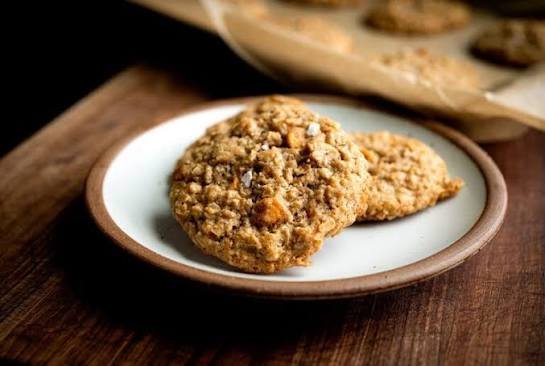
There is something wonderfully comforting about a warm oatmeal cookie fresh from the oven, especially when it is filled with melty chocolate chips and ribbons of buttery salted caramel. This Salted Caramel Oatmeal Chocolate Chip Cookie Recipe brings those flavors together in one soft, chewy cookie with golden edges, a tender center, and just enough flaky salt to balance the sweetness.
The oats give these cookies a hearty texture, while brown sugar adds a rich, caramel-like flavor and helps keep the centers soft. Chocolate chips melt into little pockets of chocolate throughout the dough, and the salted caramel adds a smooth, buttery sweetness that makes every bite feel a little more special.
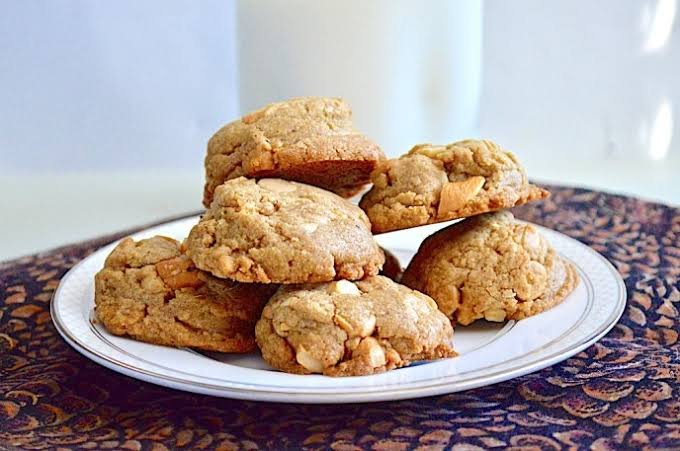
Best of all, these cookies are simple enough for a beginner to make. With a few basic baking ingredients, some chilling time, and a little attention to the baking cues, you can make bakery-style oatmeal chocolate chip cookies right in your own kitchen. They are perfect for cookie trays, holiday baking, afternoon treats, or simply enjoying with a cold glass of milk.
The key is getting the texture just right. You want lightly golden edges with a center that still looks soft when the cookies come out of the oven. As they cool, they settle into that irresistible chewy texture while the caramel and chocolate become wonderfully gooey and rich.
If you love classic oatmeal cookies but want something with a little more contrast and character, this salted caramel version is a delicious place to start.
Why You’ll Love This Recipe
- Soft and chewy texture: Rolled oats and brown sugar give these cookies a hearty bite with tender, chewy centers and lightly crisp edges.
- Sweet and salty balance: Buttery salted caramel adds rich sweetness, while a touch of salt keeps the cookies from tasting overly sweet.
- Plenty of chocolate: Chocolate chips melt into the cookie dough, creating rich chocolate pockets in every bite.
- Simple ingredients: Most of what you need is probably already in your pantry, making this an easy cookie recipe for beginners.
- No complicated techniques: You do not need special baking skills. A mixer, mixing bowls, and a baking sheet are enough to get started.
- Perfect for make-ahead baking: The cookie dough can be prepared ahead of time and chilled until you are ready to bake.
- Great for sharing: These oatmeal chocolate chip cookies work beautifully for holiday cookie trays, bake sales, family gatherings, or casual afternoon treats.
- A fun twist on a classic: The familiar combination of oats and chocolate gets a richer, more indulgent finish from salted caramel.
Ingredients

Here is what you will need to make these salted caramel oatmeal chocolate chip cookies. Using room-temperature butter and measuring the flour carefully will help you get the best texture.
- All-purpose flour: Provides the structure for the cookies while keeping them tender.
- Old-fashioned rolled oats: Add a hearty, chewy texture. Avoid quick oats if you want a more substantial oatmeal cookie.
- Baking soda: Helps the cookies spread and develop lightly golden edges.
- Salt: Balances the sweetness and brings out the caramel and chocolate flavors.
- Unsalted butter: Gives the cookies a rich, buttery texture and flavor.
- Brown sugar: Adds moisture, chewiness, and a deeper caramel-like sweetness.
- Granulated sugar: Helps create lightly crisp edges and balances the brown sugar.
- Eggs: Bind the ingredients together and help create a soft cookie center.
- Vanilla extract: Adds warmth and rounds out the flavors.
- Chocolate chips: Semi-sweet chocolate chips work especially well, but you can use milk or dark chocolate depending on your preference.
- Soft caramel candies or caramel pieces: Add pockets of buttery caramel throughout the cookies.
- Flaky sea salt: A light sprinkle on top creates the classic sweet-and-salty finish.
For the best results, use old-fashioned oats rather than instant oatmeal. Their larger texture helps give the cookies that classic chewy oatmeal bite.
Ingredient Notes & Substitutions
A few simple ingredient choices can make a noticeable difference in the texture and flavor of these salted caramel oatmeal chocolate chip cookies. Here are some easy substitutions and tips to help you work with what you have.
Oats
Old-fashioned rolled oats are the best choice for a chewy texture. Quick oats can be used in a pinch, but they create a softer, less textured cookie. Avoid steel-cut oats because they will not soften properly during baking.
Butter
Unsalted butter gives you better control over the salt level. If you only have salted butter, reduce the added salt slightly. Make sure the butter is softened rather than melted unless the recipe specifically calls for melted butter.
Brown Sugar
Light brown sugar works beautifully, but dark brown sugar can also be used for a deeper molasses and caramel flavor. Either option will help keep the cookies moist and chewy.
Chocolate Chips
Semi-sweet chocolate chips provide a balanced flavor against the sweet caramel. Dark chocolate chips are a good option if you prefer a richer, less sweet cookie. Milk chocolate can be used for a softer, sweeter flavor.
Caramel
Soft caramel candies can be chopped into small pieces and folded into the dough. Caramel bits are another convenient option. Keep the pieces relatively small so they melt into the cookies without creating large, overly sticky pockets.
Gluten-Free Option
For gluten-free cookies, use a reliable 1-to-1 gluten-free all-purpose flour and certified gluten-free rolled oats. Check the labels of your caramel and chocolate products as well, since ingredients can vary between brands.
Dairy-Free Option
Use a plant-based butter made specifically for baking and choose dairy-free chocolate chips and caramel. Since caramel products vary widely, check the ingredient label before substituting.
Nutty Addition
For extra crunch, fold in chopped pecans or walnuts. About half a cup is enough to add texture without overwhelming the chocolate and caramel.
Budget-Friendly Tip
You do not need premium chocolate or specialty caramel to make these cookies taste great. Standard chocolate chips and individually wrapped soft caramels work well. A small sprinkle of flaky sea salt at the end adds plenty of bakery-style appeal without requiring expensive ingredients.
Kitchen Tools Needed
You do not need a long list of equipment to make these salted caramel oatmeal chocolate chip cookies. A few basic kitchen tools will make the process simple and smooth.
- Large mixing bowl: Gives you enough room to combine the cookie dough without making a mess.
- Medium bowl: Useful for whisking together the dry ingredients before adding them to the wet mixture.
- Electric hand mixer or stand mixer: Makes creaming the butter and sugars quick and easy. You can also mix the dough by hand with a sturdy wooden spoon, although it takes a little more effort.
- Measuring cups and spoons: Accurate measurements are especially important when baking.
- Rubber spatula: Helps fold in the oats, chocolate chips, and caramel pieces without overmixing the dough.
- Cookie scoop: Creates evenly sized cookies so they bake at the same rate.
- Baking sheets: Use sturdy, light-colored baking sheets for more even browning.
- Parchment paper or silicone baking mats: Prevent the cookies from sticking and make cleanup easier.
- Wire cooling rack: Allows air to circulate around the cookies so the bottoms do not become soggy as they cool.
- Small whisk: Helpful for evenly combining the flour, baking soda, and salt.
Helpful Optional Tools
A kitchen scale is useful if you want the most consistent results, especially when measuring flour. An oven thermometer can also be helpful because many home ovens run slightly hotter or cooler than the temperature displayed on the dial.
Before you begin, line your baking sheets and have all of your ingredients measured. Having everything ready makes the cookie-making process much easier, especially when working with caramel.
Step-by-Step Instructions
1. Prepare the Baking Sheets
Preheat your oven to 350°F (175°C). Line two baking sheets with parchment paper or silicone baking mats.
Give the oven enough time to fully preheat. A properly heated oven helps the cookies spread evenly and develop golden edges without overbaking the centers.
2. Mix the Dry Ingredients
In a medium bowl, whisk together the all-purpose flour, baking soda, and salt.
Stir until everything is evenly distributed, then set the bowl aside. Mixing the dry ingredients separately helps prevent pockets of baking soda or salt from ending up in the finished cookies.
3. Cream the Butter and Sugars
Add the softened butter, brown sugar, and granulated sugar to a large mixing bowl.
Beat until the mixture looks creamy and lighter in texture, usually about 2 to 3 minutes with an electric mixer. Scrape down the sides of the bowl as needed.
Do not use melted butter here unless the recipe has been specifically designed for it. Melted butter can make the cookies spread too much.
4. Add the Eggs and Vanilla
Beat in the eggs one at a time, mixing well after each addition. Add the vanilla extract and mix until combined.
The mixture should look smooth and creamy. If it appears slightly curdled, do not worry. It will come together when the dry ingredients are added.
5. Combine the Wet and Dry Mixtures
Gradually add the dry ingredients to the butter mixture.
Mix on low speed just until the flour is almost incorporated. Avoid overmixing because too much mixing can make the cookies less tender.
6. Add the Oats, Chocolate, and Caramel
Use a rubber spatula or wooden spoon to gently fold in the rolled oats, chocolate chips, and caramel pieces.
Work carefully so the caramel stays evenly distributed throughout the dough. Try to keep larger caramel pieces away from the very edges of the dough balls, where they can melt directly onto the baking sheet.
7. Chill the Cookie Dough
Cover the bowl and refrigerate the dough for about 30 minutes.
Chilling gives the butter time to firm up, which helps prevent excessive spreading during baking. It also allows the oats to absorb some of the moisture, giving the finished cookies a chewier texture.
If your kitchen is particularly warm, chilling for 45 minutes can be helpful.
8. Portion the Dough
Use a cookie scoop to portion the chilled dough into evenly sized balls. Place them on the prepared baking sheets, leaving about 2 inches of space between each cookie.
For a thicker cookie, gently shape the dough into taller mounds rather than flattening it.
9. Bake Until Golden Around the Edges
Bake for approximately 10 to 12 minutes, rotating the baking sheet halfway through if your oven tends to bake unevenly.
The edges should look lightly golden and set, while the centers should still appear slightly soft. Do not wait for the centers to look completely baked in the oven. They will continue cooking from the residual heat after you remove the tray.
10. Add Flaky Salt
As soon as the cookies come out of the oven, sprinkle a small amount of flaky sea salt over the tops.
This is easiest to do while the caramel is still warm. The salt will adhere to the surface and provide a pleasant contrast to the sweet caramel and chocolate.
11. Let the Cookies Set
Leave the cookies on the baking sheet for about 5 minutes.
They will be delicate when they first come out of the oven, especially around the melted caramel. After they firm up slightly, transfer them to a wire rack to cool completely.
Common Mistakes to Avoid
Do not overbake the cookies. Slightly underdone centers are what help create that soft, chewy texture.
Do not add too much flour. Packing flour tightly into a measuring cup can result in dry cookies. Spoon the flour into the measuring cup and level it off, or use a kitchen scale.
Do not skip chilling. Warm dough is more likely to spread too quickly and produce thin cookies.
Do not place caramel pieces directly against the baking sheet. Caramel can melt and stick to the pan. Keeping it inside the dough helps prevent this problem.
Do not overcrowd the baking sheet. Cookies need room to spread, and too many on one tray can lead to uneven baking.
Expert Tips
A few small baking details can make a big difference in these salted caramel oatmeal chocolate chip cookies. Keep these tips in mind for a more consistent batch with chewy centers, golden edges, and well-balanced flavor.
Use Properly Softened Butter
The butter should be soft enough to press easily with your finger but not greasy or melted. Properly softened butter creams evenly with the sugars and helps create the right cookie structure.
Measure Flour Carefully
Too much flour can turn soft oatmeal cookies dry and cakey. For the most accurate result, weigh the flour with a kitchen scale. If measuring with cups, spoon the flour into the cup and level the top instead of scooping directly from the bag.
Chill the Dough
Chilling is especially helpful because the dough contains butter and caramel. A short rest in the refrigerator helps the cookies hold their shape while also giving the oats time to absorb moisture.
Keep the Cookies Similar in Size
Use a cookie scoop to portion the dough evenly. Cookies of different sizes will bake at different speeds, which can leave some overbaked while others are still too soft.
Leave the Centers Slightly Soft
One of the best ways to keep oatmeal cookies chewy is to remove them from the oven when the edges are set but the centers still look a little underdone. They will continue baking on the hot baking sheet.
Protect the Caramel
When shaping the dough, tuck visible caramel pieces toward the center. If caramel is exposed along the bottom edge, it can melt onto the baking sheet and become difficult to remove.
Use Flaky Salt Sparingly
Salted caramel cookies need only a light finishing sprinkle. The goal is to create little salty accents rather than make the cookies taste salty.
Add Extra Chocolate on Top
For a bakery-style appearance, press a few additional chocolate chips into the tops of the dough balls just before baking. This also makes the finished cookies look especially inviting.
Let Them Cool Before Moving
Freshly baked cookies are fragile. Give them several minutes on the baking sheet before transferring them to a cooling rack. This allows the melted caramel and chocolate to firm slightly and helps the cookies hold together.
Watch the First Batch Closely
Every oven behaves differently. Use the first tray as a guide and check the cookies around the 10-minute mark. Once you know how quickly your oven browns them, you can adjust the baking time for the remaining batches.
Variations
Once you have the basic salted caramel oatmeal chocolate chip cookie recipe down, there are plenty of easy ways to customize it. These variations let you adjust the flavor, texture, or ingredients while keeping the cookies comforting and chewy.
Dark Chocolate Salted Caramel Cookies
Swap the semi-sweet chocolate chips for dark chocolate chips or chopped dark chocolate. The slightly bitter chocolate pairs beautifully with the sweet caramel and creates a richer cookie.
Pecan Caramel Oatmeal Cookies
Add about 1/2 cup of finely chopped pecans to the dough. The toasted nuts bring a buttery crunch that works especially well with oatmeal and caramel.
Cinnamon Oatmeal Cookies
Add 1/2 teaspoon of ground cinnamon to the dry ingredients. Cinnamon gives the cookies a warm, cozy flavor without overpowering the chocolate and caramel.
Coconut Caramel Cookies
Fold in 1/2 cup of unsweetened shredded coconut along with the oats and chocolate chips. For a stronger coconut flavor, lightly toast the coconut before adding it to the dough.
Extra-Salty Caramel Version
If you prefer a stronger sweet-and-salty contrast, use a little extra flaky sea salt on top after baking. Keep the amount modest because the caramel itself may already contain salt.
Dairy-Free Version
Use a plant-based butter designed for baking, along with dairy-free chocolate chips and dairy-free caramel. Check product labels carefully because caramel ingredients vary between brands.
Gluten-Free Version
Replace the all-purpose flour with a cup-for-cup gluten-free baking flour and use certified gluten-free rolled oats. Make sure the chocolate and caramel products are also gluten-free.
Lower-Sugar Option
For a less sweet cookie, use dark chocolate chips and slightly reduce the granulated sugar. Keep in mind that changing the sugar too much can affect the spread, moisture, and texture of the cookies.
Caramel Apple Variation
For a fall-inspired version, add a small amount of finely chopped dried apple along with the caramel pieces. A pinch of cinnamon makes this combination even more appealing.
Peanut Butter Variation
Add a few spoonfuls of creamy peanut butter to the dough and use chocolate chips as usual. The peanut butter, caramel, and chocolate create a rich combination with plenty of contrast.
Smaller Cookies
For party trays or lunchbox treats, portion the dough into smaller balls and reduce the baking time. Start checking them a few minutes earlier so the edges do not become too dark.
Larger Bakery-Style Cookies
For bigger cookies, use a larger scoop and leave plenty of space between each portion. They may need a few extra minutes in the oven, so look for lightly golden edges and soft centers rather than relying only on the clock.
Storage Instructions
These salted caramel oatmeal chocolate chip cookies are easy to make ahead, and proper storage helps preserve their soft centers and buttery texture.
Room Temperature
Once the cookies have cooled completely, place them in an airtight container. Keep them at room temperature for up to 4 to 5 days.
For the softest texture, place a small piece of parchment paper between layers if the caramel is still slightly sticky. Avoid storing warm cookies in a sealed container because trapped steam can make them overly soft.
Refrigerating the Dough
You can prepare the cookie dough ahead of time and keep it covered in the refrigerator for up to 2 to 3 days.
When ready to bake, scoop the chilled dough onto a lined baking sheet. If the dough has become very firm, let it sit at room temperature for a few minutes before portioning.
Freezing the Cookie Dough
For longer storage, freeze the unbaked cookie dough. Scoop the dough into individual portions and place them on a parchment-lined tray. Freeze until firm, then transfer the portions to a freezer-safe container or bag.
Label the container with the date and use the frozen dough within about 2 to 3 months for the best quality.
You can usually bake the dough directly from frozen. Add a few extra minutes to the baking time and watch for lightly golden edges with soft centers.
Freezing Baked Cookies
Fully cooled cookies can also be frozen. Arrange them in an airtight freezer-safe container with parchment paper between the layers.
Freeze for up to 2 to 3 months. Thaw the cookies at room temperature before serving.
How to Reheat
For that fresh-from-the-oven texture, place a cookie in the microwave for about 8 to 12 seconds. The chocolate and caramel will soften again, while the center becomes pleasantly warm and chewy.
Let the cookie sit for a moment before eating because melted caramel can become very hot.
Frequently Asked Questions
Can I make these cookies without chilling the dough?
Yes, but chilling is recommended. Unchilled dough is more likely to spread too much during baking. Even 20 to 30 minutes in the refrigerator can help the cookies keep a thicker, chewier shape.
Why did my cookies spread too much?
The butter may have been too warm, or the dough may not have been chilled long enough. Too little flour can also cause excessive spreading. Chill the dough before baking and make sure your flour is measured accurately.
Can I use quick oats instead of rolled oats?
Yes. Quick oats will work, but they create a softer and less textured cookie. Old-fashioned rolled oats are the better choice when you want a hearty, chewy oatmeal cookie.
What type of caramel is best?
Soft caramel candies, caramel bits, or small pieces of baking caramel can all work. Choose a caramel that softens and melts during baking without becoming completely liquid.
Can I use homemade caramel?
Absolutely. Homemade caramel can add a wonderful buttery flavor. Make sure it is thick enough to portion into small pieces and chill it before folding it into the cookie dough.
Can I use salted butter?
Yes. If using salted butter, reduce the additional salt in the dough slightly. You can still finish the cookies with a small amount of flaky sea salt.
Why are my cookies dry?
The most common causes are too much flour or overbaking. Measure the flour carefully and remove the cookies when the edges are set but the centers still look slightly soft.
Can I freeze these cookies?
Yes. Both baked cookies and unbaked portions of cookie dough can be frozen. Store them properly in airtight freezer-safe packaging to protect their texture and flavor.
How do I keep the cookies soft?
Store completely cooled cookies in an airtight container at room temperature. Avoid leaving them uncovered for long periods because exposure to air will gradually dry them out.
Can I add nuts?
Definitely. Chopped pecans or walnuts are especially good with oatmeal, chocolate, and caramel. Add about 1/2 cup to the dough for a pleasant crunchy texture.
Can I make smaller cookies?
Yes. Use a smaller cookie scoop and reduce the baking time. Start checking them early because smaller cookies can go from perfectly baked to overdone quickly.


Salted Caramel Oatmeal Chocolate Chip Cookie Recipe
Ingredients
Method
- Preheat the oven to 350°F (175°C). Line two baking sheets with parchment paper or silicone baking mats
- In a medium bowl, whisk together the flour, rolled oats, baking soda, and salt.
- In a large bowl, beat the softened butter, brown sugar, and granulated sugar for 2 to 3 minutes, until creamy and slightly lighter in texture.
- Add the eggs one at a time, mixing after each addition. Beat in the vanilla extract.
- Gradually add the dry ingredients to the butter mixture. Mix just until combined. Avoid overmixing.
- Gently fold in the chocolate chips and caramel pieces with a rubber spatula.
- Cover the dough and refrigerate for about 30 minutes. Chilling helps reduce spreading and improves the chewy texture.
- Scoop the dough into approximately 24 portions and arrange them on the prepared baking sheets, leaving about 2 inches between each cookie.
- Bake for 10 to 12 minutes, or until the edges are lightly golden and the centers still look slightly soft.
- Remove the cookies from the oven and immediately sprinkle the tops lightly with flaky sea salt.
- Let the cookies cool on the baking sheet for about 5 minutes before transferring them to a wire rack
Video
Notes
- Use old-fashioned rolled oats for the best chewy texture.
- Do not overbake. The centers should still look slightly soft when the cookies come out of the oven.
- Keep caramel pieces toward the center of each dough ball to reduce sticking on the baking sheet.
- If your kitchen is warm, chill the dough for 45 minutes instead of 30.
- For extra chocolate on top, press a few additional chocolate chips into the dough before baking.
- Chopped pecans or walnuts can be added for extra crunch.
- Store completely cooled cookies in an airtight container at room temperature for 4 to 5 days.
- Unbaked cookie dough portions can be frozen for approximately 2 to 3 months.
Final Thoughts
These Salted Caramel Oatmeal Chocolate Chip Cookies bring together everything that makes a homemade cookie satisfying: chewy oats, buttery caramel, melty chocolate, golden edges, and a delicate touch of sea salt. The combination feels familiar enough for a classic cookie craving, while the caramel gives it an extra layer of richness.
They are simple enough for an everyday baking project but special enough to share at holidays, parties, bake sales, or family gatherings. Once you have made the basic recipe, it is easy to customize the cookies with dark chocolate, pecans, cinnamon, or your favorite caramel pieces.
For the best results, keep an eye on the baking time and take the cookies out while the centers are still slightly soft. That small detail makes a big difference in keeping them chewy after they cool.
If you make this recipe, try one warm from the oven with the chocolate and caramel still soft. Then let the rest cool completely and store them for later. These cookies are a wonderful reminder that a few simple ingredients can create something truly special in the kitchen.




12 Comments