
Natural Cocoa Powder Vs Dutch Processed
Choosing between natural cocoa powder and Dutch processed cocoa powder can seem confusing, especially when both look like simple chocolate powder sitting in the pantry. But the difference matters more than you might think. Natural cocoa powder vs Dutch processed comes down to how the cocoa is processed, how it tastes, how dark it looks, and most importantly, how it reacts with the other ingredients in your recipe.
Natural cocoa powder tends to have a sharper, more intense chocolate flavor with a slightly acidic character, while Dutch processed cocoa is smoother, darker, and more mellow. That small difference can affect the color, flavor, texture, and even the rise of cakes, brownies, cookies, and other baked treats.
Once you understand how each type works, choosing the right cocoa powder becomes much easier. Whether you are making a rich chocolate cake, fudgy brownies, homemade frosting, or a batch of tender cookies, this guide will help you know exactly which cocoa powder to reach for and when you can safely substitute one for the other.
Why You’ll Love This Guide
- Simple explanation: Understand the difference between natural and Dutch processed cocoa without confusing baking terms.
- Better baking results: Learn how cocoa powder affects flavor, color, texture, and the rise of baked goods.
- Easy substitutions: Find out when you can swap one type of cocoa powder for another and when you should not.
- Beginner-friendly: Clear tips make it easier to choose cocoa powder with confidence, even if you are new to baking.
- Useful for everyday recipes: Apply these tips to chocolate cakes, brownies, cookies, cupcakes, frostings, and more.
- Flavor-focused: See why natural cocoa has a brighter, more acidic chocolate flavor while Dutch processed cocoa tends to taste smoother and more mellow.
- No guesswork: Learn how baking soda and baking powder interact with different types of cocoa powder so your recipes turn out as intended.
Ingredients
Since this is a cocoa powder comparison guide rather than a traditional recipe, you do not need a long ingredient list. The two main ingredients to understand are:
- Natural cocoa powder: Unsweetened cocoa powder that retains more of cocoa’s natural acidity. It has a lighter brown color and a stronger, slightly tangy chocolate flavor.
- Dutch processed cocoa powder: Unsweetened cocoa powder that has been treated to reduce its natural acidity. It is usually darker in color and has a smoother, more mellow chocolate taste.
What to Look for on the Package
When shopping, check the label carefully. Look for “unsweetened cocoa powder” or “100% cocoa” and then check whether the package specifies natural or Dutch processed.
Avoid confusing either type with hot cocoa mix, sweetened cocoa powder, or drinking chocolate, which contain additional ingredients and are not direct substitutes in most baking recipes.
Ingredient Notes & Substitutions
Understanding the small differences between natural cocoa powder and Dutch processed cocoa makes it much easier to choose the right one for your recipe.
Natural Cocoa Powder
Natural cocoa powder is made from roasted cocoa beans that are ground after most of the cocoa butter has been removed. It keeps more of cocoa’s natural acidity, giving it a slightly sharp, bright chocolate flavor.
It is often the better choice for recipes that specifically call for baking soda, because the acidity in natural cocoa can react with baking soda to help the batter rise.
Dutch Processed Cocoa Powder
Dutch processed cocoa powder is treated with an alkalizing agent to reduce its natural acidity. This produces a darker color and a smoother, less tangy chocolate flavor.
It is commonly used in recipes where a deeper chocolate color and mellow flavor are desired. Recipes made with Dutch processed cocoa may rely on baking powder or another acidic ingredient for leavening.
Can You Substitute One for the Other?
Sometimes, but not always.
If a recipe simply uses cocoa powder for flavor and color, such as in some frostings or sauces, the substitution is usually easier. However, in cakes, cupcakes, cookies, and other baked goods, changing the cocoa powder can alter the balance of acidity and leavening.
For the most reliable results, use the type of cocoa powder specified in the recipe.
Can You Use a Natural Cocoa Powder Instead of Dutch Processed?
If the recipe calls for Dutch processed cocoa, natural cocoa may work in some recipes, but the result can be lighter in color and slightly sharper in flavor. The leavening ingredients also need consideration.
Can You Use Dutch Processed Instead of Natural Cocoa?
This substitution can be more problematic when the recipe depends on natural cocoa’s acidity to activate baking soda. The finished baked good may not rise or develop the expected texture.
What About Black Cocoa?
Black cocoa is an especially dark form of Dutch processed cocoa. It has a mild chocolate flavor and is often used for very dark cookies, cakes, and sandwich-cookie-style desserts.
Because it has a distinct flavor and very low acidity, it should not automatically be treated as a one-to-one replacement for natural cocoa powder in every baking recipe.
Kitchen Tools Needed
You do not need any special equipment to understand or compare natural cocoa powder and Dutch processed cocoa powder. A few basic kitchen tools are enough if you want to test them in your own baking.
- Measuring spoons: Useful for measuring small amounts of cocoa powder accurately.
- Kitchen scale: The best option when you want precise measurements, especially when comparing recipes.
- Mixing bowls: Helpful for preparing small test batches of cake, brownies, or cookies.
- Fine-mesh sieve: Sifts cocoa powder smoothly and helps prevent stubborn lumps in batters and frostings.
- Whisk: Helps distribute cocoa powder evenly with flour and other dry ingredients.
- Rubber spatula: Useful for scraping the bowl and gently folding ingredients together.
- Small spoon: Handy for comparing the color, aroma, and texture of different cocoa powders before baking.
Optional Tool for a Side-by-Side Test
If you are curious about the difference between the two cocoa powders, make a simple side-by-side comparison using the same basic chocolate recipe. Two identical mixing bowls and matching measuring tools will make it easier to notice differences in color, aroma, flavor, and texture.
Step-by-Step Guide: How to Choose Between Natural and Dutch Processed Cocoa
1. Check the Cocoa Powder Label
Start by looking at the package. If it says natural cocoa powder, it has not been alkalized and will retain more of cocoa’s natural acidity.
If the label says Dutch processed, alkalized cocoa, or European-style cocoa, it has been treated to reduce that acidity.
If the package does not clearly identify the type, check the ingredient list or the manufacturer’s description before using it in a recipe that depends on a specific type.
2. Look at the Color
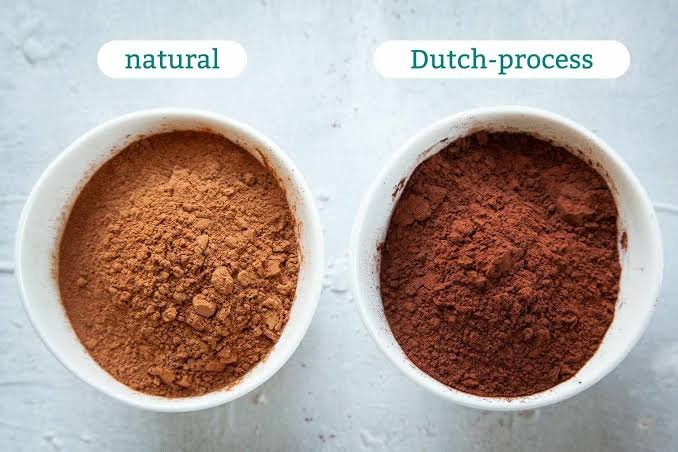
Natural cocoa powder is usually light to medium brown.
Dutch processed cocoa is generally darker, ranging from medium brown to deep reddish-brown. Black cocoa is an even darker variety of Dutch processed cocoa.
Color can give you a useful clue, but it should not be your only way of identifying cocoa powder.
3. Smell and Taste the Cocoa
Natural cocoa usually has a stronger, sharper chocolate aroma with a slightly acidic taste.
Dutch processed cocoa tends to taste smoother and more mellow. Its chocolate flavor can seem softer, even though its darker color may make it look more intense.
If you are tasting cocoa powder on its own, remember that unsweetened cocoa is naturally quite bitter.
4. Check the Leavening Agent in Your Recipe
This is one of the most important steps when baking.
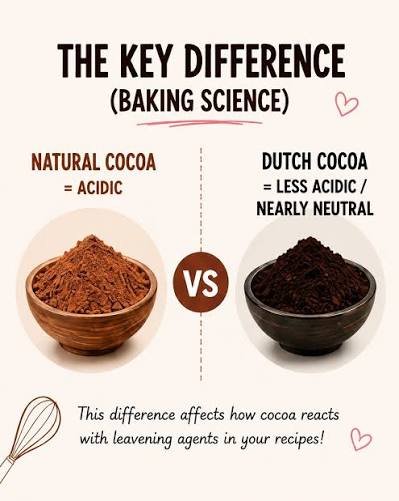
If a recipe contains natural cocoa powder and baking soda, the cocoa’s acidity can help activate the baking soda. That reaction produces carbon dioxide, which helps the baked good rise.
If a recipe uses Dutch processed cocoa powder, it generally has much less acidity. A recipe may instead use baking powder or another acidic ingredient to provide the needed leavening.
Do not change the cocoa powder and leavening agents casually in a carefully balanced recipe.
5. Consider the Flavor You Want
Choose natural cocoa powder when you want a brighter, more pronounced chocolate flavor with a slight tang.
Choose Dutch processed cocoa powder when you prefer a smoother, rounder chocolate flavor and a darker appearance.
For recipes where cocoa is the main flavor, such as chocolate cake or brownies, this difference can be noticeable.
6. Think About the Color
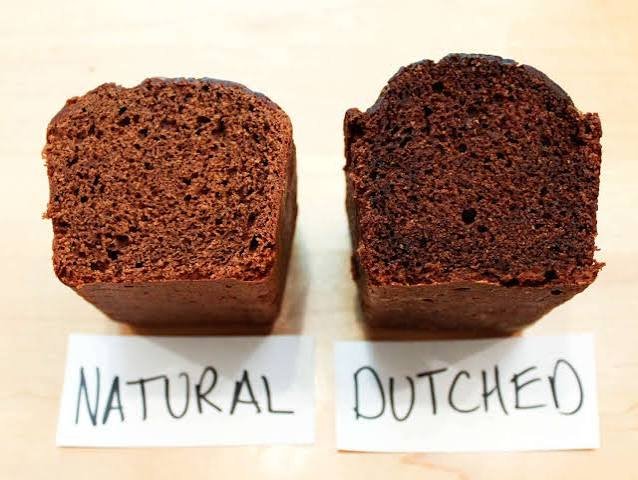
If you want a deep brown chocolate cake, dark frosting, or nearly black cookies, Dutch processed cocoa can give you a richer-looking result.
Natural cocoa produces a lighter brown color. It can still create deeply chocolatey desserts, but the finished color will usually be less dark.
7. Follow the Recipe When Possible
When a recipe specifically calls for natural cocoa powder or Dutch processed cocoa powder, use the recommended type whenever you can.
This is especially important for cakes, cupcakes, and other recipes where the balance between cocoa powder, baking soda, baking powder, and acidic ingredients affects the final texture.
8. Be Careful When Substituting
For simple preparations such as some frostings, sauces, and dusting mixtures, swapping cocoa powders is often easier because there may be little or no chemical leavening involved.
For baked goods, substitution requires more care. Changing the cocoa powder can affect not only the chocolate flavor and color but also the rise and crumb.
9. Sift Cocoa Powder Before Mixing
Whichever cocoa powder you use, sift it with the other dry ingredients when possible.
Cocoa powder can form small lumps, especially when stored for a while. Sifting creates a smoother mixture and helps distribute the cocoa evenly throughout the batter.
10. Avoid Changing Several Ingredients at Once
If you are experimenting with natural cocoa powder vs Dutch processed cocoa powder, change only one variable at a time.
Use the same flour, sugar, fat, eggs, liquid, oven temperature, and baking time. This makes it much easier to see how the cocoa powder itself affects the finished dessert.
Common Mistakes to Avoid
- Assuming darker cocoa always means stronger chocolate flavor.
- Treating natural and Dutch processed cocoa as interchangeable in every recipe.
- Ignoring whether a recipe uses baking soda or baking powder.
- Confusing Dutch processed cocoa with sweetened cocoa mix.
- Using black cocoa as a direct replacement without considering the recipe’s acidity.
- Measuring cocoa powder inaccurately.
- Skipping the sifting step when the cocoa is lumpy.
Expert Tips for Using Natural and Dutch Processed Cocoa
A few small baking habits can make a noticeable difference when working with cocoa powder. Keep these tips in mind when choosing between natural cocoa powder and Dutch processed cocoa.
Match the Cocoa to the Recipe
The easiest rule is to follow the recipe’s instructions. If it specifies natural cocoa powder, use natural. If it calls for Dutch processed cocoa, use Dutch processed when possible.
The type of cocoa is not only about taste and color. Its acidity can interact with the leavening ingredients and affect the structure of the finished bake.
Pay Attention to Baking Soda
Baking soda needs an acidic ingredient to activate properly. Natural cocoa powder can contribute some acidity, while Dutch processed cocoa has had much of that acidity neutralized.
This is why simply swapping cocoa powders in a cake recipe can sometimes produce a different texture or rise.
Remember That Color Does Not Tell the Whole Story
A very dark cocoa powder may look intensely chocolatey, but darker color does not necessarily mean a stronger chocolate taste.
Dutch processed cocoa is darker because of the alkalizing process. Black cocoa is darker still and generally has a more subtle chocolate flavor than many standard cocoa powders.
Bloom Cocoa for a Richer Flavor
If a recipe calls for cocoa to be mixed with hot water, coffee, or another hot liquid, take advantage of that step. Hot liquid can help cocoa powder release more of its aroma and chocolate character.
This technique is often called blooming cocoa and works particularly well in cakes, brownies, and chocolate sauces.
Use Coffee to Enhance Chocolate Flavor
A small amount of brewed coffee or espresso can make chocolate desserts taste more pronounced without making them taste strongly like coffee.
This works with both natural and Dutch processed cocoa, although the final flavor will depend on the other ingredients in the recipe.
Measure Cocoa Carefully
Too much cocoa powder can make a dessert dry, dense, or bitter. For consistent results, use a kitchen scale when the recipe provides weights.
If measuring by volume, lightly spoon cocoa into the measuring cup and level the top instead of packing it down.
Sift Before Adding Cocoa to Batter
Cocoa powder can clump easily. Sifting it with the flour and other dry ingredients helps create an even mixture and prevents pockets of dry cocoa from appearing in the finished dessert.
Store Cocoa Properly
Keep cocoa powder in a cool, dry place in a tightly sealed container. Protect it from moisture, heat, and strong odors.
Although cocoa powder has a long shelf life, its aroma and flavor can become less vibrant over time. If it smells stale or unusually dull, replacing it may improve your baking results.
Do Not Assume Every Recipe Can Be Converted
A carefully developed chocolate cake recipe may depend on the exact relationship between cocoa powder, flour, liquid, and leavening.
If you want to experiment with a different cocoa powder, it is often better to test a small batch first rather than changing the ingredients in a recipe you need to get right the first time.
Variations
Once you understand how natural cocoa powder and Dutch processed cocoa behave, you can experiment with different styles of chocolate desserts. The key is to keep the recipe’s acidity and leavening balance in mind.
Deep Chocolate Version
For a darker-looking chocolate cake, brownies, or frosting, use Dutch processed cocoa powder. It gives desserts a deeper brown color and a smooth, mellow chocolate character.
For an especially dark appearance, black cocoa can be used in recipes that are designed to work with it.
Richer Chocolate Version
For a brighter cocoa flavor with a slight tang, choose natural cocoa powder. It works especially well in classic chocolate cakes, cookies, and brownies where a more pronounced cocoa taste is welcome.
Health-Conscious Version
If you want to make a lighter chocolate dessert, changing from natural cocoa to Dutch processed cocoa is not automatically a healthier choice. Both are unsweetened cocoa powders and can fit into a balanced recipe.
Instead, focus on the overall recipe. You can often reduce added sugar slightly, use whole-grain flour where appropriate, or add naturally sweet ingredients such as mashed banana or applesauce.
Keep in mind that changing these ingredients can also change the texture, moisture, and structure of the finished dessert.
Dairy-Free Version
Cocoa powder itself is naturally dairy-free, but other ingredients in a chocolate recipe may contain milk.
For a dairy-free dessert, use plant-based butter, dairy-free chocolate, or a suitable neutral oil when the recipe allows it. Always check package labels if you are baking for someone with a milk allergy.
Gluten-Free Version
Both natural cocoa powder and Dutch processed cocoa powder can be gluten-free, but you should still check the product label for potential cross-contact or added ingredients.
For a gluten-free cake or brownie, use a tested gluten-free flour blend designed for baking rather than simply replacing wheat flour with a single alternative flour.
Extra-Dark Chocolate Variation
For a dramatic, nearly black color, combine Dutch processed cocoa with a small amount of black cocoa in recipes where the formula allows it.
This works particularly well for dark chocolate cookies, sandwich cookies, and decorative cakes. Because black cocoa has a distinctive flavor and low acidity, avoid replacing all the cocoa in a recipe with it unless the recipe was specifically developed for black cocoa.
Natural Cocoa and Coffee Variation
For a deeper chocolate profile, pair natural cocoa with a little brewed coffee or espresso. The coffee can enhance the cocoa’s roasted notes while keeping the dessert’s chocolate flavor at the center.
This combination is especially good in chocolate cakes, brownies, and cupcakes.
Dutch Cocoa Frosting Variation
Dutch processed cocoa is a great choice for frosting when you want a smooth, dark chocolate appearance. Since frosting usually does not depend on cocoa’s acidity for rising, it is generally easier to experiment with different cocoa powders than it is in a cake batter.
Adjust the powdered sugar and liquid gradually until the frosting reaches a creamy, spreadable consistency.
Storage Instructions
Cocoa powder is easy to store, but proper storage helps protect its flavor, aroma, and texture for as long as possible.
How to Store Cocoa Powder
Keep natural cocoa powder or Dutch processed cocoa powder in a cool, dry pantry away from direct sunlight, heat, and moisture.
After opening, make sure the package is tightly sealed. If the original packaging does not close well, transfer the cocoa to an airtight container.
Avoid storing cocoa powder near the stove, dishwasher, or other warm, humid areas. Cocoa can absorb moisture and nearby odors, which may affect its quality.
How Long Does Cocoa Powder Last?
Unsweetened cocoa powder generally keeps well for a long time when stored properly. Always check the package’s best-by date, but also use your senses to judge quality.
Fresh cocoa should have a pleasant chocolate aroma. If it smells stale, musty, or noticeably different from when you first opened it, it may be time to replace it.
Can You Refrigerate or Freeze Cocoa Powder?
Refrigeration is usually unnecessary and can expose cocoa powder to moisture and condensation.
Freezing is also generally not needed for everyday storage. A cool, dry, airtight pantry is the simplest option.
Storing Desserts Made With Cocoa
If you have already used natural or Dutch processed cocoa in a baked dessert, storage depends on the recipe.
- Cakes and cupcakes: Store according to the frosting and filling used. Unfrosted cakes can often be kept tightly covered at room temperature for a short period.
- Brownies and cookies: Keep them in an airtight container to maintain their texture.
- Frosting: Refrigerate if it contains perishable ingredients such as cream cheese or fresh dairy.
- Chocolate cake: Wrap tightly or place in an airtight container to prevent it from drying out.
For refrigerated desserts, allow them to sit at room temperature for a short time before serving when appropriate. This can help restore a softer texture and fuller chocolate flavor.
Frequently Asked Questions
Is natural cocoa powder the same as Dutch processed cocoa?
No. Natural cocoa powder is more acidic and usually has a lighter color with a sharper chocolate flavor. Dutch processed cocoa has been alkalized, giving it a darker color and smoother, more mellow taste.
Which cocoa powder is better for baking?
Neither is universally better. The best choice depends on the recipe. Natural cocoa works especially well in recipes designed around baking soda, while Dutch processed cocoa is often chosen for its smooth flavor and darker color.
Can I substitute Dutch processed cocoa for natural cocoa?
Sometimes, but it depends on the recipe. In baked goods that rely on the acidity of natural cocoa to react with baking soda, a direct substitution may affect the rise and texture.
Can I substitute natural cocoa for Dutch processed cocoa?
It can work in some recipes, particularly those where cocoa is mainly used for flavor and color. However, recipes with carefully balanced leavening may not produce the same result.
Is Dutch processed cocoa less bitter?
Generally, Dutch processed cocoa has a smoother and less acidic taste than natural cocoa. This can make it seem less sharp or bitter, although the exact flavor varies by brand.
Is Dutch processed cocoa darker than natural cocoa?
Yes, in most cases. The alkalizing process gives Dutch processed cocoa a deeper brown or reddish-brown color. Black cocoa is an even darker variety of Dutch processed cocoa.
Which cocoa powder is best for brownies?
Either can work, depending on the recipe. Natural cocoa can provide a more pronounced, slightly tangy chocolate flavor, while Dutch processed cocoa can create a smoother flavor and darker color.
Which cocoa powder is best for chocolate cake?
Use the type specified by the recipe. Chocolate cake recipes often rely on a particular balance of cocoa powder and leavening, so changing the cocoa without adjusting the formula can affect the final texture.
Does Dutch processed cocoa work with baking soda?
It can, if the recipe contains another acidic ingredient that can react with the baking soda. Dutch processed cocoa itself contributes much less acidity than natural cocoa.
Is natural cocoa powder healthier than Dutch processed cocoa?
There is no simple winner. Both are unsweetened cocoa products, and their nutritional differences depend on the specific product and processing method. For everyday baking, flavor and recipe compatibility are usually more important considerations.
What is alkalized cocoa powder?
Alkalized cocoa powder is another name for Dutch processed cocoa. It has been treated with an alkalizing agent to reduce cocoa’s natural acidity and create a smoother flavor and darker color.
Can I use hot cocoa mix instead of cocoa powder?
Usually not. Hot cocoa mix often contains sugar, milk powder, and other ingredients. It does not behave the same way as unsweetened natural or Dutch processed cocoa powder in baking recipes.
Natural Cocoa Powder Vs Dutch Processed
Ingredients
Method
- Check the cocoa powder label to determine whether it is natural or Dutch processed.
- Compare the color, aroma, and flavor of each type.
- Check the recipe's leavening ingredients, especially baking soda and baking powder.
- Use natural cocoa powder when the recipe specifically calls for it and relies on its acidity.
- Use Dutch processed cocoa when the recipe specifies alkalized cocoa or when its darker color and smoother flavor are desired.
- Avoid making a direct substitution in a carefully balanced baked recipe unless you understand how the change may affect the leavening and texture.
Video
Notes
- Natural cocoa powder is more acidic and generally has a lighter color.
- Dutch processed cocoa powder is alkalized and usually darker and smoother in flavor.
- Baking soda and cocoa acidity can affect the rise of baked goods.
- For the most reliable results, follow the cocoa powder type specified in your recipe.
- Black cocoa is a very dark form of Dutch processed cocoa and is not always a direct substitute.
- Always check the package label because cocoa products can vary between brands.
Final Thoughts
Understanding natural cocoa powder vs Dutch processed cocoa makes chocolate baking much less confusing. The two may look similar on the shelf, but their acidity, color, and flavor can make a real difference in the finished dessert.
Natural cocoa powder brings a brighter, more pronounced cocoa flavor and works especially well in recipes designed around baking soda. Dutch processed cocoa offers a smoother taste and deeper color, making it a favorite for many rich-looking chocolate cakes, cookies, frostings, and desserts.
The most important tip is simple: when a recipe specifies a particular type of cocoa powder, follow that recommendation whenever possible. Once you know how each variety behaves, you can also experiment with substitutions more confidently.
Keep both types in your pantry if you bake chocolate desserts often. Having natural cocoa and Dutch processed cocoa available gives you more flexibility and helps you choose the right ingredient for the flavor, color, and texture you want.
Now that you know the difference, your next chocolate dessert can be a little more intentional from the very first scoop of cocoa powder.




5 Comments