
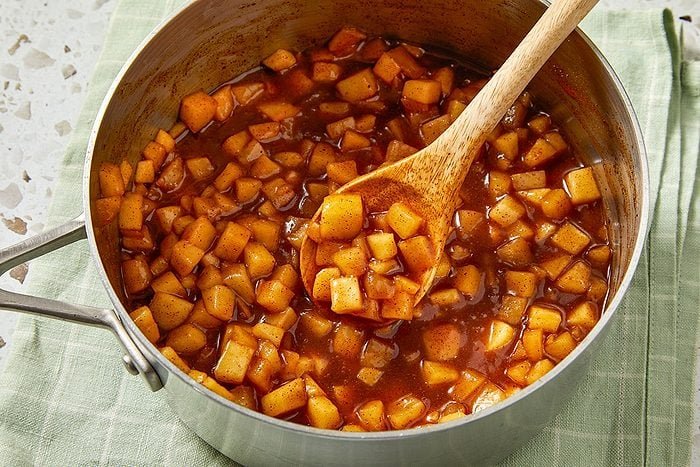
Stovetop Apple Pie Filling And Over 18 Apple Pie Recipes
There is something wonderfully comforting about the smell of apples simmering with cinnamon and brown sugar on the stove. This Stovetop Apple Pie Filling And Over 18 Apple Pie Recipes guide brings that cozy flavor to your kitchen with an easy homemade apple filling that is tender, warmly spiced, and lightly caramelized.
Unlike a filling that sits heavily inside a pie crust, stovetop apple pie filling lets you control the texture from the start. You can cook the apples until they are tender while still holding their shape, then spoon the filling into a flaky pie crust, layer it into a crisp, or serve it warm over pancakes, oatmeal, yogurt, or vanilla ice cream.
The best part is how simple the process can be. A few fresh apples, cinnamon, brown sugar, and everyday pantry ingredients come together in one saucepan. Once you have the filling ready, you can use it as the base for classic apple pie and a variety of easy apple desserts.
Whether you are preparing a holiday dessert, using up a basket of fresh apples, or simply craving something warm and homemade, this recipe gives you a practical starting point. Keep reading for helpful ingredient tips, cooking guidance, creative ways to use apple pie filling, and more than 18 delicious apple pie ideas to try.
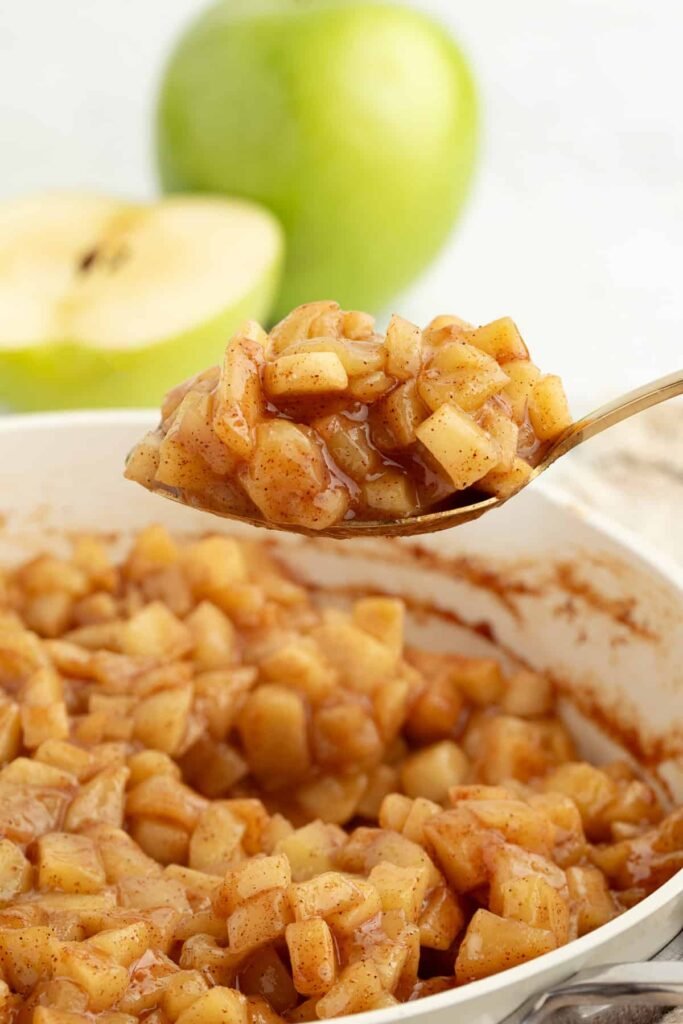
Why You’ll Love This Recipe
- Quick and easy: The apple filling comes together on the stovetop without complicated baking steps.
- Tender, flavorful apples: Cooking the apples gently helps them become soft and juicy while keeping enough texture for a satisfying bite.
- Warm, cozy spices: Cinnamon and brown sugar give the filling that familiar homemade apple pie taste.
- Easy to customize: Use your favorite apple variety or adjust the sweetness and spices to suit your taste.
- More than just pie filling: Spoon it over pancakes, waffles, oatmeal, cheesecake, or ice cream for an easy dessert or breakfast topping.
- Great for make-ahead baking: Prepare the filling in advance and keep it refrigerated until you are ready to use it.
- Perfect for beginners: The simple stovetop method makes it easier to control the apples and avoid an undercooked or watery filling.
- A useful apple recipe: Once you have this filling ready, you can turn it into pies, turnovers, crisps, bars, and other comforting apple desserts.
Ingredients
For this easy stovetop apple pie filling, you only need a handful of simple ingredients. Each one has a specific job, from building sweetness to creating a smooth, thick sauce that coats every tender apple slice.
- Fresh apples: About 6 medium apples, peeled, cored, and sliced. Choose apples that hold their shape well during cooking.
- Brown sugar: Adds gentle sweetness and a warm caramel-like flavor.
- Granulated sugar: Balances the tartness of the apples and helps create a glossy filling.
- Unsalted butter: Adds richness and gives the filling a smooth, buttery finish.
- Ground cinnamon: Brings the classic warm spice associated with homemade apple pie.
- Ground nutmeg: Adds a subtle earthy note that complements the apples.
- Lemon juice: Brightens the flavor and helps keep the apples from tasting overly sweet.
- Cornstarch: Thickens the juices into a silky sauce that clings to the apples.
- Water: Helps create the cooking liquid and gives the cornstarch enough moisture to thicken properly.
- Vanilla extract: Adds a soft, fragrant finish and rounds out the apple and spice flavors.
- Salt: A small amount enhances the sweetness and keeps the overall flavor balanced.
For the best texture, slice the apples into pieces that are similar in size. This helps them cook evenly, so you get tender apples without some pieces turning mushy while others remain firm.
Ingredient Notes & Substitutions
A few simple choices can make a noticeable difference in the texture and flavor of your stovetop apple pie filling. Here are some easy ways to adjust the ingredients based on what you have in your kitchen.
Apples
For the best apple pie filling, use apples that soften without completely falling apart. Granny Smith, Honeycrisp, Pink Lady, Braeburn, or a combination of tart and sweet apples all work well.
If you only have one type of apple, that is perfectly fine. Just avoid apples that become very soft and watery during cooking.
Sugar
Brown sugar gives the filling a deeper, caramel-like taste, while granulated sugar provides clean sweetness. You can adjust the amount slightly depending on how naturally sweet your apples are.
For a less-sweet filling, reduce the sugar gradually rather than removing it completely.
Butter
Unsalted butter provides a rich, smooth finish. If you only have salted butter, use it and reduce or skip the additional salt.
For a dairy-free version, use a plant-based butter that is suitable for cooking and baking.
Cornstarch
Cornstarch is responsible for thickening the apple juices into a spoonable sauce. If you do not have cornstarch, arrowroot powder can be used as an alternative. Add it carefully because the thickening strength can vary.
Spices
Cinnamon is the essential warm spice here, but you can also add a small amount of nutmeg, allspice, or ground ginger. For a more delicate flavor, keep the spice blend simple.
Lemon Juice
Fresh lemon juice adds brightness and balances the sweetness. If you do not have fresh lemons, bottled lemon juice can work in a pinch.
Vanilla
Vanilla extract is optional, but it gives the filling a softer, more rounded aroma. Pure vanilla extract works beautifully, although imitation vanilla can also be used if that is what you have available.
Budget-Friendly Tip
You do not need expensive specialty apples for this recipe. A mix of affordable sweet and tart apples can create excellent flavor while keeping the cost low.
Allergy-Friendly Option
The basic filling can easily be made gluten-free. Use certified gluten-free cornstarch and check your butter or plant-based butter label if you need the entire recipe to meet specific dietary requirements.
Kitchen Tools Needed
You do not need any fancy equipment to make this homemade apple pie filling. A few basic kitchen tools are enough.
- Large saucepan or skillet: Gives the apples enough room to cook evenly without crowding.
- Wooden spoon or silicone spatula: Useful for gently stirring the apples and keeping the sauce from sticking.
- Sharp chef’s knife: Makes it easier to peel, core, and slice the apples evenly.
- Cutting board: Provides a stable surface for preparing the apples.
- Vegetable peeler: Speeds up peeling and helps remove the apple skin in thin, even strips.
- Measuring cups and spoons: Helpful for getting the sugar, spices, and thickener proportions right.
- Small bowl: Useful for mixing the cornstarch with water before adding it to the hot apple mixture.
- Airtight storage container: Handy if you are making the filling ahead of time or saving leftovers.
Optional Helpful Tools
An apple corer can make preparation faster, especially when working with a large batch. A kitchen timer is also useful for beginners because cooking the apples for too long can make them overly soft.
For the best results, choose a saucepan with a heavy bottom if you have one. It distributes heat more evenly and reduces the chance of the sugar mixture scorching.
Step-by-Step Instructions
Making stovetop apple pie filling is simple, but a few small details help you get tender apples and a thick, glossy sauce instead of a watery or mushy filling.
1. Prepare the Apples
Peel, core, and slice the apples into similar-sized pieces. Aim for slices that are thick enough to hold their shape during cooking.
Place the prepared apples in a bowl and toss them with the lemon juice. This adds brightness and helps keep the apples from browning while you prepare the other ingredients.
2. Make the Thickening Mixture
In a small bowl, whisk the cornstarch with the water until completely smooth.
Set it aside for later. Mixing the cornstarch with cold water first helps prevent lumps from forming when it reaches the hot apple mixture.
3. Start the Apple Mixture
Place a large saucepan or skillet over medium heat. Add the butter, brown sugar, granulated sugar, cinnamon, nutmeg, and salt.
Stir gently as the butter melts and the sugar begins to dissolve. The mixture should become smooth and fragrant.
4. Add the Apples
Add the sliced apples to the saucepan and stir gently until the pieces are evenly coated with the warm sugar and spice mixture.
Let the apples cook over medium heat, stirring occasionally. They will begin releasing their natural juices as they soften.
5. Cook Until Tender
Continue cooking until the apples are tender but still hold their shape. Depending on the type and thickness of your apple slices, this can take several minutes.
Avoid stirring too aggressively. Gentle movements help prevent the softer apples from breaking apart.
The finished apples should be fork-tender with a little bite remaining. They should not look like applesauce.
6. Add the Cornstarch Mixture
Give the cornstarch and water mixture another quick stir, then slowly pour it into the saucepan while stirring continuously.
Cook for another minute or two. The liquid will gradually thicken and turn into a smooth sauce that coats the apples.
7. Add the Vanilla
Remove the saucepan from the heat and stir in the vanilla extract.
Taste the filling once it has cooled slightly. If your apples are particularly tart, you can add a little more sugar. If the filling tastes too sweet, a small splash of lemon juice can help balance it.
8. Let the Filling Cool
Allow the apple pie filling to cool for several minutes before using it in a pie or other dessert.
Keep in mind that the sauce will continue to thicken as it cools. If it looks slightly loose while hot, give it time before adding more thickener.
Common Mistakes to Avoid
Do not overcook the apples. They should be tender, not falling apart.
Do not add dry cornstarch directly to the hot filling. Always dissolve it in water first to create a smooth slurry.
Do not use high heat. Sugar can scorch quickly, and the apples may soften unevenly.
Do not slice the apples too thin. Thin slices can break down before the sauce reaches the right consistency.
Do not judge the final thickness while the filling is piping hot. The sauce becomes thicker as it cools.
Expert Tips
A few small techniques can make your stovetop apple pie filling taste and feel much more like a carefully baked homemade dessert.
Choose the Right Apple Combination
For a more interesting flavor, combine a tart apple such as Granny Smith with a sweeter variety such as Honeycrisp or Pink Lady. The contrast gives the filling a balanced sweet-tart taste.
Keep the Apple Slices Similar in Size
Even slices cook at roughly the same rate. If some pieces are very thin and others are thick, the smaller pieces may become soft before the larger ones are tender.
Cook Gently
Medium heat is usually enough. Gentle cooking allows the apples to soften gradually while giving the butter, sugar, and spices time to create a rich, aromatic sauce.
Leave a Little Bite
For pie filling, slightly firm apples are better than very soft ones. Remember that the apples may receive additional heat if you use the filling in a baked pie.
Adjust the Sweetness
Taste the apples before cooking when possible. Naturally sweet apples need less added sugar, while tart apples may need a little more. Making this adjustment can give you a much better final flavor.
Let the Filling Cool Before Baking
Freshly cooked filling can be quite hot and loose. Letting it cool allows the sauce to thicken and makes it easier to use in a pie without making the crust overly wet.
Give the Spices Time to Bloom
Cooking the cinnamon and other spices briefly with the butter and sugar helps release their aroma. This creates a warmer, fuller spice flavor than simply sprinkling spices over finished apples.
Watch the Cornstarch
Add the cornstarch slurry gradually and stir continuously. Once the sauce thickens, stop cooking. Prolonged cooking can weaken the thickening effect and leave you with a filling that is thinner than expected.
For a Deeper Flavor
Try adding a tiny splash of apple cider or a pinch of allspice. These additions are optional, but they can give the filling extra depth without overpowering the natural apple flavor.
Variations
One of the best things about homemade apple pie filling is how easily you can change it to suit different tastes and occasions. Start with the basic stovetop method, then try one of these variations.
Healthier Apple Pie Filling
For a lighter version, reduce the added sugar and choose naturally sweet apples. You can also serve the warm apples over plain Greek yogurt or oatmeal instead of using them in a traditional pie.
Cinnamon Apple Filling
For a stronger cinnamon flavor, increase the ground cinnamon slightly. A small pinch of nutmeg adds another layer of warmth without taking away from the apples.
Caramel Apple Filling
Stir a small amount of caramel sauce into the cooled filling for a richer dessert. This version is especially good with vanilla ice cream or tucked inside a buttery pie crust.
Apple Cranberry Filling
Add a handful of dried cranberries while the apples cook. Their slight tartness creates a pleasant contrast with the sweet, tender apples.
Maple Apple Filling
Replace part of the brown sugar with pure maple syrup. The maple adds a gentle, woodsy sweetness that pairs beautifully with cinnamon and apples.
Ginger-Spiced Apple Filling
Add a little ground ginger along with the cinnamon and nutmeg. Freshly grated ginger can also be used for a sharper, more aromatic flavor.
Dairy-Free Apple Pie Filling
Replace the butter with a dairy-free plant-based butter. Check the ingredient label if you need the filling to meet a specific allergy requirement.
Gluten-Free Apple Pie Filling
The filling itself can be made gluten-free by using certified gluten-free cornstarch. When turning it into a pie, pair it with your favorite gluten-free pie crust.
Apple Pie Turnovers
Spoon the cooled filling onto squares of puff pastry, fold them into triangles, seal the edges, and bake until golden. This creates a simple handheld dessert without making a full pie.
Apple Crumble
Spread the cooked apples in a baking dish and cover them with a mixture of oats, flour, brown sugar, butter, and cinnamon. Bake until the topping is golden and crisp.
Apple Pie Breakfast Bowl
Warm the filling and spoon it over oatmeal, pancakes, waffles, or French toast. Add chopped pecans or walnuts for crunch.
Apple Cheesecake Topping
Cool the filling completely, then spoon it over cheesecake just before serving. The tender apples and buttery cinnamon sauce make a beautiful topping for a creamy dessert.
Apple Pie Ice Cream Sundae
Warm a small portion of the filling and spoon it over vanilla ice cream. Add toasted nuts or a little caramel sauce for an easy dessert that feels special.
Storage Instructions
Homemade stovetop apple pie filling is easy to prepare ahead of time, making it useful when you want to get a dessert started before a busy day.
Refrigerator Storage
Let the filling cool to room temperature, then transfer it to a clean airtight container. Refrigerate for up to 4 to 5 days.
Keep the filling chilled until you are ready to use it. If you plan to bake it inside a pie, you can use the cold filling directly unless your recipe specifies otherwise.
Freezer Storage
For longer storage, place the completely cooled apple pie filling in a freezer-safe container or heavy-duty freezer bag. Leave a little room for expansion.
Freeze for up to 3 months for the best texture and flavor.
For easier use later, divide the filling into smaller portions before freezing. This lets you thaw only what you need.
How to Thaw
Move frozen filling to the refrigerator and let it thaw overnight. Once thawed, stir gently to redistribute the sauce and apples.
If the filling looks slightly watery after thawing, warm it gently in a saucepan and stir until the sauce becomes smooth again.
How to Reheat
For a small portion, microwave the filling in a microwave-safe bowl in short intervals, stirring between each one.
For a larger amount, warm it gently in a saucepan over low to medium-low heat. Stir occasionally and avoid prolonged high heat, which can make the apples too soft.
Storage Tip
Always use a clean spoon when serving stored filling and refrigerate leftovers promptly. If the filling develops an unusual smell, appearance, or texture, discard it rather than trying to save it.
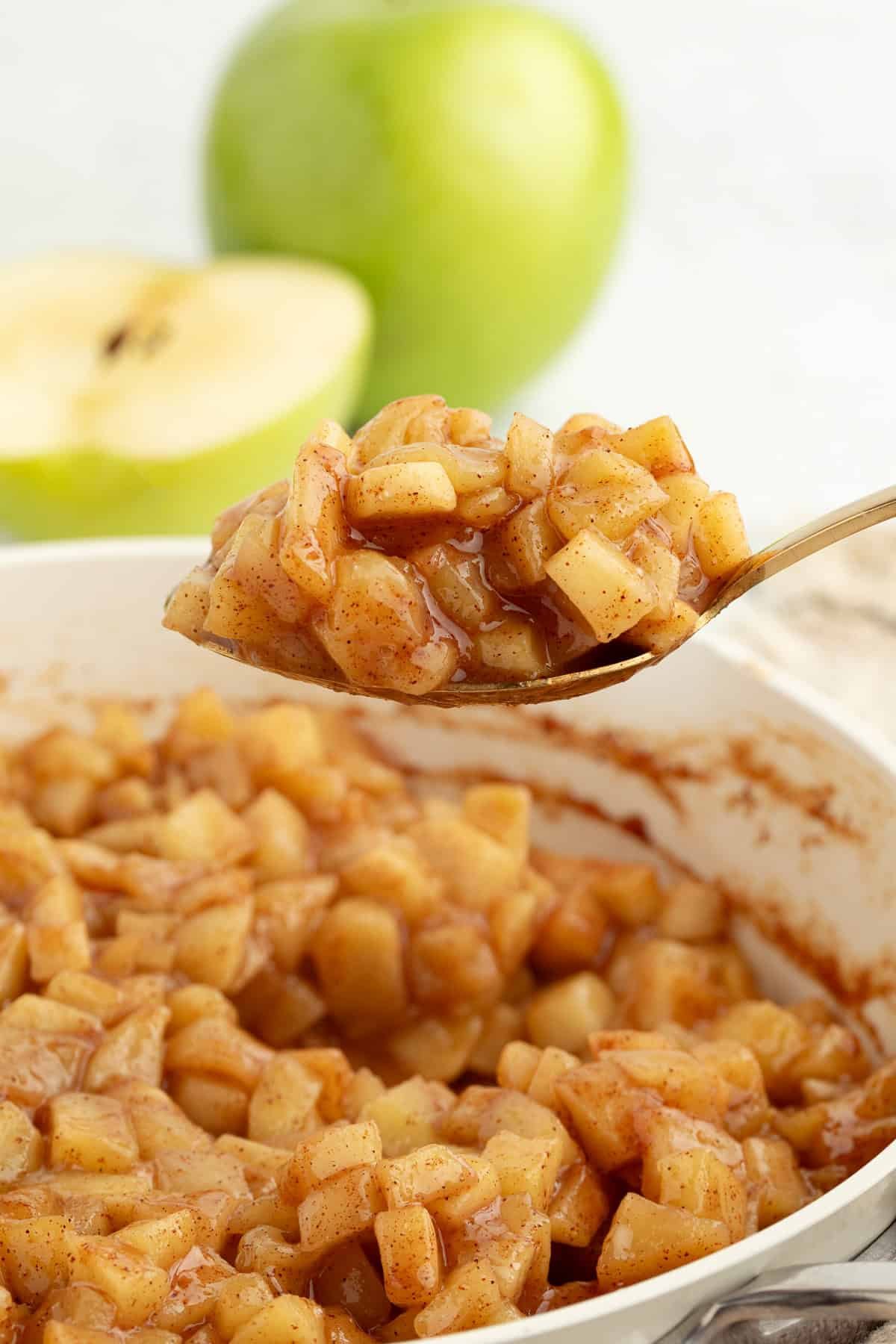

Stovetop Apple Pie Filling
Ingredients
Method
- Peel, core, and slice the apples into evenly sized pieces. Toss them with lemon juice.
- Whisk the cornstarch and water together in a small bowl until smooth.
- Melt the butter in a large saucepan over medium heat.
- Add the brown sugar, granulated sugar, cinnamon, nutmeg, and salt. Stir until the butter melts and the mixture becomes fragrant.
- Add the apples and gently stir until they are coated.
- Cook over medium heat, stirring occasionally, until the apples become tender but still hold their shape.
- Stir the cornstarch mixture again, then slowly add it to the saucepan while stirring.
- Cook for 1 to 2 minutes, until the sauce thickens and coats the apples.
- Remove from the heat and stir in the vanilla extract.
- Cool for several minutes before using or storing.
Video
Notes
- Use firm apples for the best texture. A combination of tart and sweet varieties gives the filling a more balanced flavor.
- Do not overcook the apples. They should be tender with a little bite remaining, especially if you plan to bake the filling inside a pie.
- The filling thickens as it cools, so allow it to rest before adding extra cornstarch.
Frequently Asked Questions
Can I make apple pie filling ahead of time?
Yes. Stovetop apple pie filling is ideal for making ahead. Prepare it, let it cool completely, and store it in an airtight container in the refrigerator until you are ready to use it.
What are the best apples for apple pie filling?
Granny Smith, Honeycrisp, Pink Lady, Braeburn, and similar firm apples work well. You can also combine tart and sweet apples for a more balanced flavor.
Why is my apple pie filling watery?
The apples may have released more liquid than expected, or the thickener may not have cooked long enough. Simmer the filling gently for another minute or two, stirring often, until the sauce coats the apples.
Why did my apples turn mushy?
The apples were likely cooked for too long or sliced too thin. Cut them into evenly sized, moderately thick slices and cook only until they are tender but still hold their shape.
Can I use apple pie filling immediately?
Yes, but let it cool slightly first if you are using it for a baked pie. A cooler, thicker filling is easier to work with and helps prevent excess moisture from affecting the crust.
Can I freeze homemade apple pie filling?
Yes. Store the cooled filling in a freezer-safe container for up to 3 months. Thaw it in the refrigerator overnight before using.
Can I use this filling for desserts other than pie?
Absolutely. Try it in turnovers, apple crumble, cheesecake, pancakes, waffles, oatmeal, crepes, or as a topping for vanilla ice cream.
Can I make the filling without butter?
Yes. Replace the butter with a dairy-free plant-based butter if needed. The filling will still have plenty of flavor from the apples, sugar, spices, and vanilla.
How do I make apple pie filling less sweet?
Start with naturally tart apples and reduce the added sugar slightly. You can also add a little lemon juice to brighten the flavor and balance the sweetness.
Can I make this apple pie filling gluten-free?
Yes. The filling can be gluten-free when made with certified gluten-free cornstarch. If you use it for a pie or other baked dessert, make sure the crust or pastry is also gluten-free.
How thick should apple pie filling be?
The sauce should be thick enough to lightly coat the apples without becoming stiff or gummy. It will also thicken further as it cools, so avoid adding too much cornstarch while the filling is still hot.
Final Thoughts
Homemade stovetop apple pie filling is one of those simple recipes worth keeping in your kitchen collection. With tender apples, warm cinnamon, buttery richness, and a smooth sauce, it gives you an easy way to bring classic apple pie flavor to many different desserts.
Once you have the filling ready, you are not limited to a traditional pie. Use it for turnovers, crisps, cheesecake, pancakes, waffles, oatmeal, or a warm scoop of vanilla ice cream. You can also prepare it ahead and keep it ready for your next baking project.
Try the recipe with your favorite combination of apples and adjust the sweetness or spices to suit your taste. Then explore the different apple pie ideas in this collection and find a new favorite for your family table.

3 Comments